



Slovenia is in the grip of a major political scandal just days before its parliamentary elections on 22 March, following the leak of video and audio recordings alleging misconduct by Prime Minister Robert Golob and his inner circle.
ADVERTISEMENT

ADVERTISEMENT
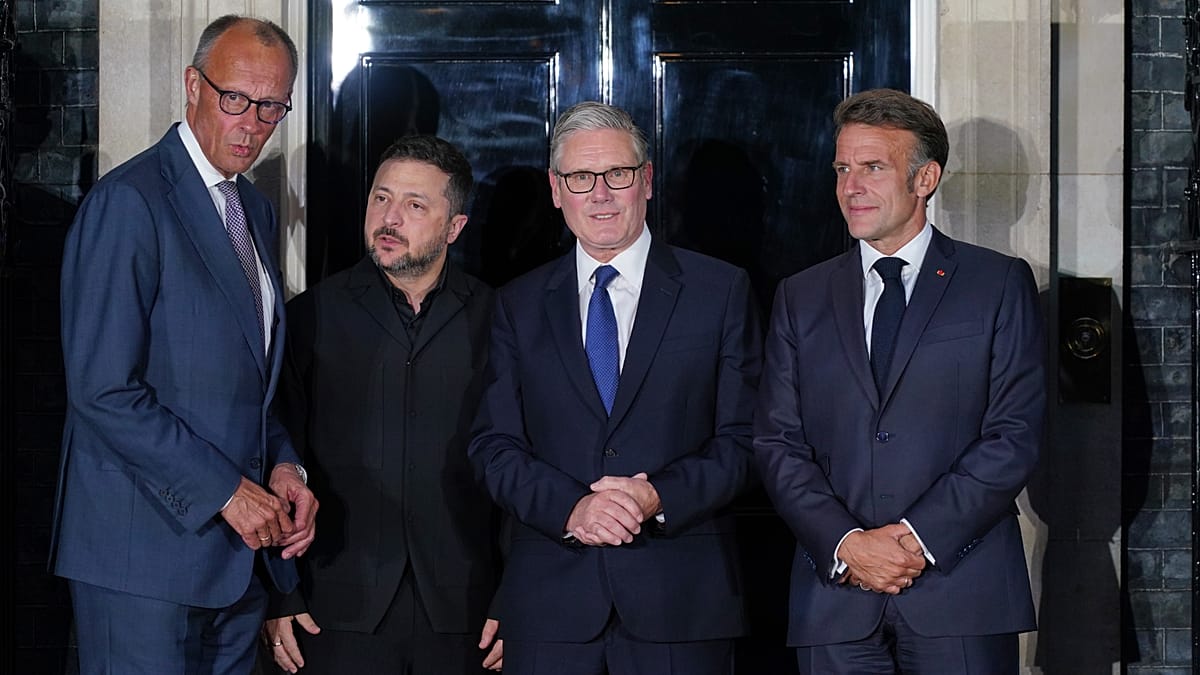
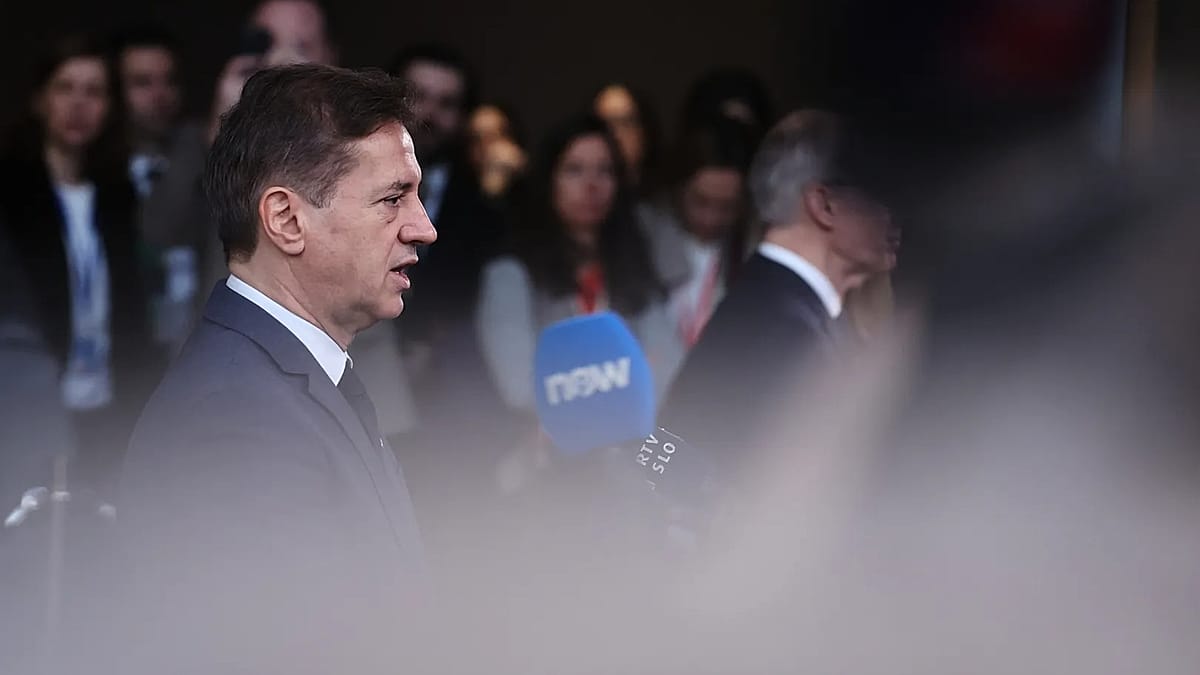
Three days before the elections, Golob sent a letter to EU leaders, including European Commission President Ursula von der Leyen and European Council President António Costa, raising concerns about foreign influence in Slovenia’s elections.
The recordings, published on the anti-corruption 2026 website, reportedly show high-ranking officials discussing the acceleration of public procurement processes, the transfer of state funds, and manipulations in business deals.
Among the most contentious cases is the purchase of a partially ruined building in Ljubljana for €7.7 million, nearly five times its 2019 acquisition price. The revelations have intensified scrutiny over alleged misuse of public funds, influence peddling and pressure on businesses and journalists.
The leaks also allege that Golob’s government used state-owned companies, including DARS and GEN-I, to funnel payments to journalists and NGOs in exchange for favourable media coverage. Additional claims involve alleged extortion in hotel investment deals and attempts to assert political control over major state enterprises, raising serious questions about systemic corruption within the ruling coalition.
Golob claims foreign interference
In response, Golob accused foreign actors of attempting to interfere in Slovenia’s election process. The government claims that the Israeli private intelligence firm Black Cube orchestrated an operation to gather compromising information on the opposition, which was then leveraged against Golob’s coalition.
Foreign Minister Tanja Fajon described the operation as “a direct attack on Slovenia’s democracy and sovereignty.”
Golob confirmed that the Secretariat of the National Security Council would review a report by the Slovenian Intelligence and Security Agency (SOVA) to assess the scope of the alleged interference.
Opposition leader Janez Jansa and his Slovenian Democratic Party (SDS) rejected any connection to Black Cube, arguing that the leaked materials expose “the real corruption of the left-wing elite.”
SDS called for independent investigations, criticising Golob’s administration for alleged misuse of public resources and media manipulation, and accusing the government of attempting to distract from its own wrongdoings.
President calls for swift action
President Nataša Pirc Musar, who is politically unaffiliated, warned that even partial evidence of foreign interference could undermine Slovenia’s democratic foundations.
“These developments require fast and transparent action. They threaten the democratic framework of the Republic of Slovenia, regardless of which party is in power or in opposition,” she said.
In response to the unfolding scandal, the National Security Council and the parliamentary intelligence oversight commission have questioned officials from SOVA and the police to determine whether Black Cube’s alleged activities posed a tangible threat to the election.
Letter to the EU
Prime Minister Robert Golob has called on Ursula von der Leyen to probe claims that the Israeli intelligence firm Black Cube interfered in Slovenia’s election campaign**.**
In a letter to the European Commission president, he raised concerns about foreign interference in the democratic process, describing the situation as “a grave instance of foreign information manipulation and interference.”
He warned that such actions “pose a clear hybrid threat against the European Union and its Member States, which negatively impacts or potentially threatens our common values, procedures and political processes.”
Golob noted that the private Israeli intelligence company Black Cube is “known for their smear campaigns with one goal: to undermine the trust of the citizens in the democratic processes by releasing falsified corruption allegations at precisely planned times, in this case, just before the general elections.”
He added that “these activities pose a threat to national security and influence democratic elections,” urging EU institutions to investigate the matter.
Political fallout
The scandal has overshadowed the pre-election campaign, leaving the electorate divided and raising tensions across the political spectrum.
Polls indicate a tight race between Golob’s center-left coalition and Janša’s center-right bloc.
As the election approaches, issues of corruption, misuse of public funds and potential foreign interference dominate public debate and are likely to shape the outcome.
Read the full article here