



NEWYou can now listen to Fox News articles!
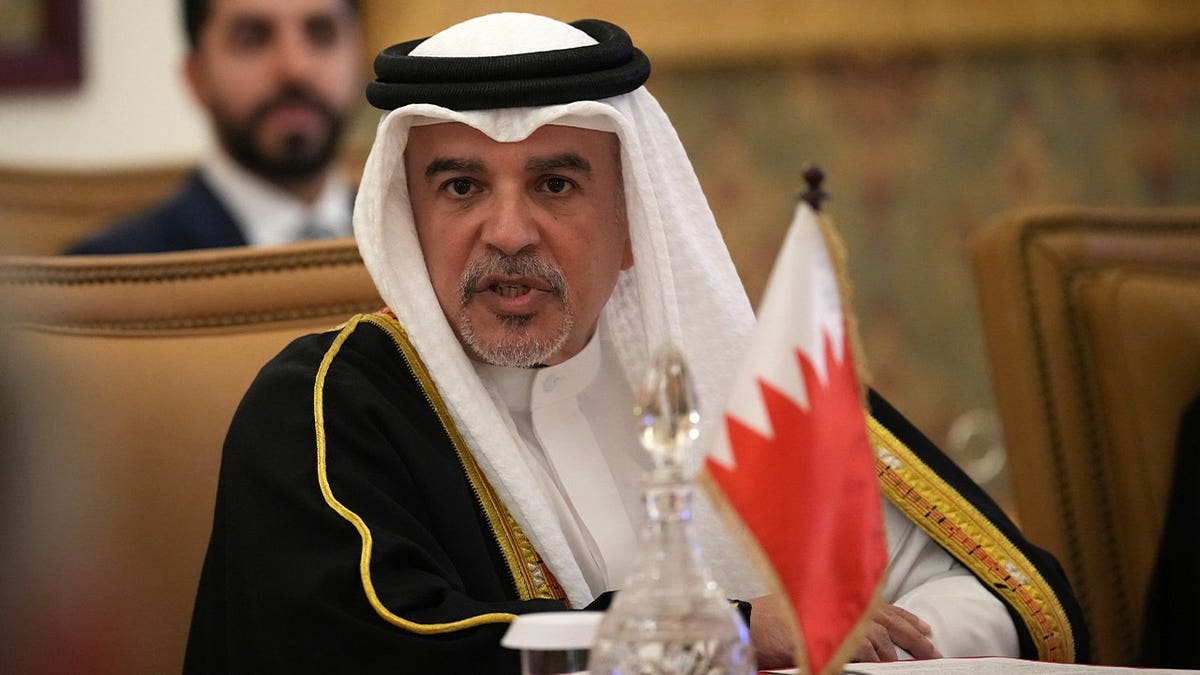
Bahrain stripped citizenship from dozens of nationals Monday after accusing them of promoting pro-Iran sentiment online, marking the latest use of a controversial law that allows the government to revoke nationality for security concerns.
The interior ministry said 69 people — including some relatives of those accused — lost their citizenship for allegedly “glorifying” hostile Iranian actions and maintaining ties with foreign entities.
Bahrain said the revocations were carried out under Article 10(3) of its nationality law, which allows authorities to strip citizenship from individuals deemed to have harmed the kingdom’s interests or violated their duty of loyalty. Officials said those targeted — along with some of their family members — were all of non-Bahraini origin, a category that typically includes naturalized citizens rather than native-born nationals.
The move follows a directive issued days earlier by Bahrain’s King Hamad bin Isa Al Khalifa, who ordered officials to act against those who “betrayed the nation” or undermined its security and stability, including reviewing whether individuals should retain their citizenship.
The Kingdom of Bahrain Tuesday sentenced five people to life in prison and 25 more to 10 years on charges of spying for Iran. The prosecution said 25 others were separately sentenced to 10 years each for supporting Iran’s “terrorist acts” in Bahrain.
US EMBASSIES IN BAHRAIN, EGYPT ISSUE WARNINGS AS IRAN THREATENS UNIVERSITIES ACROSS MIDDLE EAST
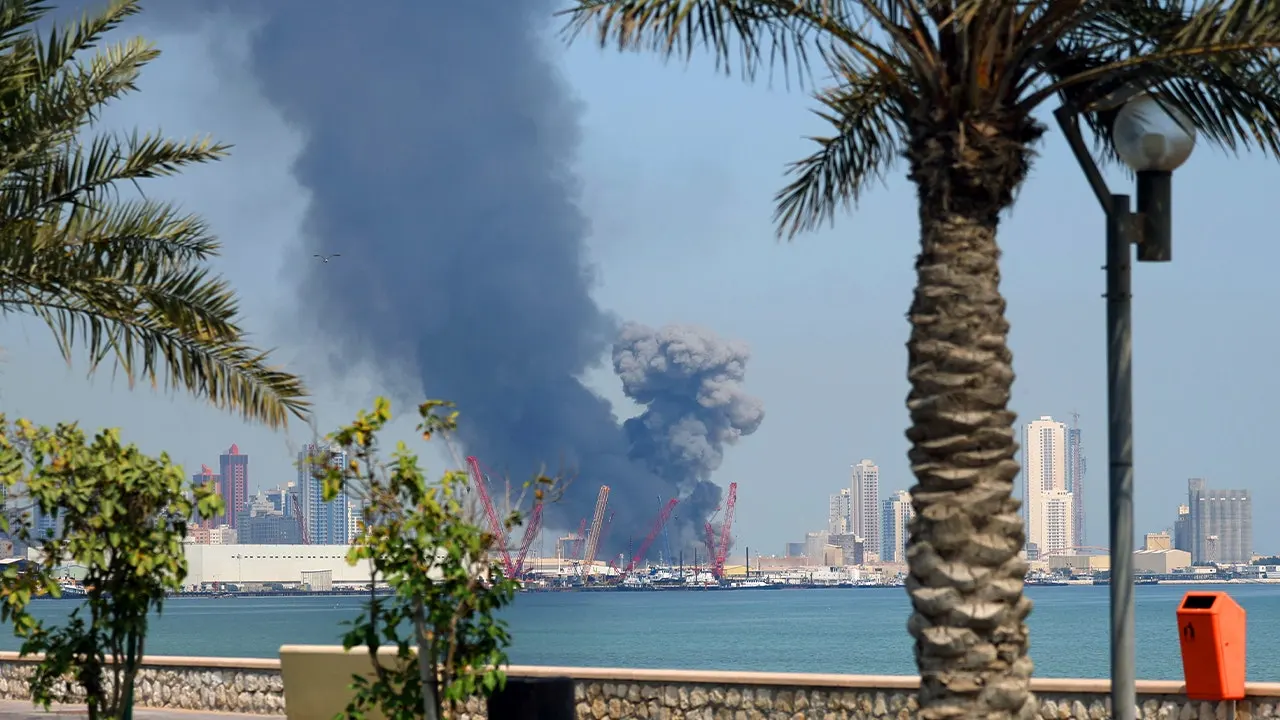
The decision comes as Bahrain grapples with fallout from Iran’s recent missile and drone strikes across the Gulf, including attacks on U.S. military assets in the kingdom. Officials have cast the citizenship revocations as a national security measure aimed at suppressing domestic support for Iran and cutting off suspected ties to foreign networks.
STRANDED AMERICAN IN BAHRAIN RECOUNTS SURVIVING REPORTED IRANIAN STRIKE ON HIGH-RISE BUILDING, PLEADS FOR HELP
Relations between Bahrain and Iran long have been strained, with Bahrain accusing Iran of backing militant networks and unrest inside the kingdom. The two countries severed diplomatic ties in 2016, and Bahrain’s role as host of the U.S. Navy’s Fifth Fleet has placed it on the front lines of the current confrontation, with Iranian strikes hitting near the base during recent retaliatory attacks.
Bahrain also is home to a sizable community of citizens of Iranian descent — often referred to as the Ajam — estimated to number in the hundreds of thousands.
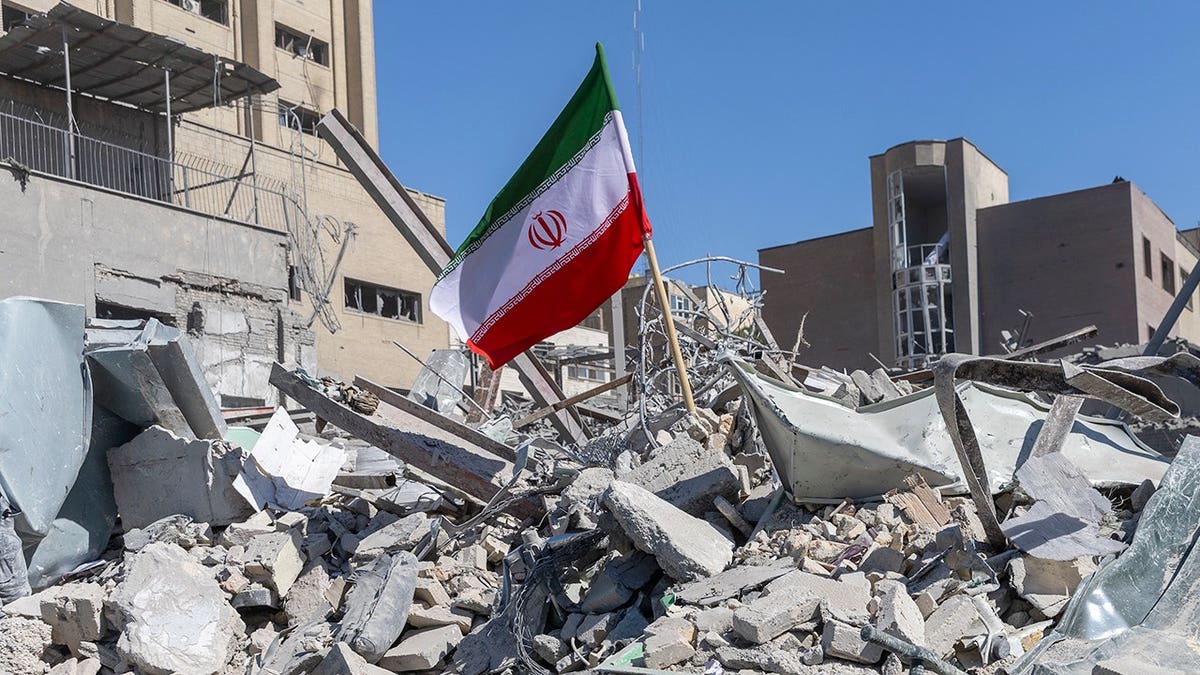
Authorities have linked the crackdown to a wider campaign against what they describe as Iran-backed influence operations, including arrests of individuals accused of sharing videos of Iranian strikes, posting pro-Iran content, or communicating with foreign groups. Bahrain also has reported uncovering cells tied to Iran’s Islamic Revolutionary Guard Corps, which officials say were tasked with gathering intelligence on sensitive sites inside the kingdom.
Similar crackdowns have been reported across the Gulf since the start of the conflict, with hundreds of people arrested in countries including the United Arab Emirates for posting videos, images or commentary about Iranian attacks. Authorities have cited national security and public order laws, warning that even sharing footage of strikes could expose sensitive information or fuel unrest.
CLICK HERE TO DOWNLOAD THE FOX NEWS APP
The measures come amid a broader regional trend of governments tightening citizenship rules on security grounds. Kuwait, for example, has revoked nationality from more than 70,000 people since 2024, with officials there saying the program is aimed at addressing fraud.
The move has drawn criticism from the Bahrain Institute for Rights and Democracy, whose advocacy director Sayed Ahmed Alwadaei called it “the beginning of a dangerous era of repression” and said the decisions were imposed without legal safeguards or the right of appeal.
Read the full article here