





Despite triumphant headlines from Wall Street, one prominent economic forecaster is sounding the alarm that the U.S. economy is sitting on a razor’s edge.
In a recent interview with TheStreet, Moody’s Analytics chief economist Mark Zandi placed the probability of a U.S. recession within the next year at 40%, compared to a historical average of 5%.
“So, 40% is very elevated, very uncomfortable — it gives you a sense of how close I think things are to the edge here,” he said.
LEGENDARY ECONOMIST KNOWN FOR 1969-70 RECESSION PREDICTION WARNS DOWNTURN MAY HIT IN 2026
Though his comments come on the heels of a better-than-expected April jobs report and stocks reaching fresh highs in recent weeks, Zandi pointed out that real disposable income has stalled year over year, showing 0% net growth.
“Real disposable income — that’s after tax, after accounting for inflation — is no higher today than it was a year ago. So, there’s been no growth in purchasing power, and that’s going to get worse and start declining,” the economist noted, adding that lower- and middle-class consumers are “living more paycheck to paycheck.”
“You’re gonna have to trade down,” Zandi continued. “You can’t have beef — you gotta have chicken.”
The S&P 500, Nasdaq and Dow have posted a modest pullback since those fresh highs, which Zandi attributed to strength in artificial intelligence-related companies. He further explained the divergence between corporate equity gains and the broader U.S. economy.
“The stock market’s not the economy. In my 36 years as a professional economist, the stock market’s never been more disjoint from the economy,” he said.
“What’s driving the stock market train is these big hyperscalers and chip companies,” Zandi added. “Valuations are awfully high… except for perhaps during the internet bubble, which didn’t end so well.”
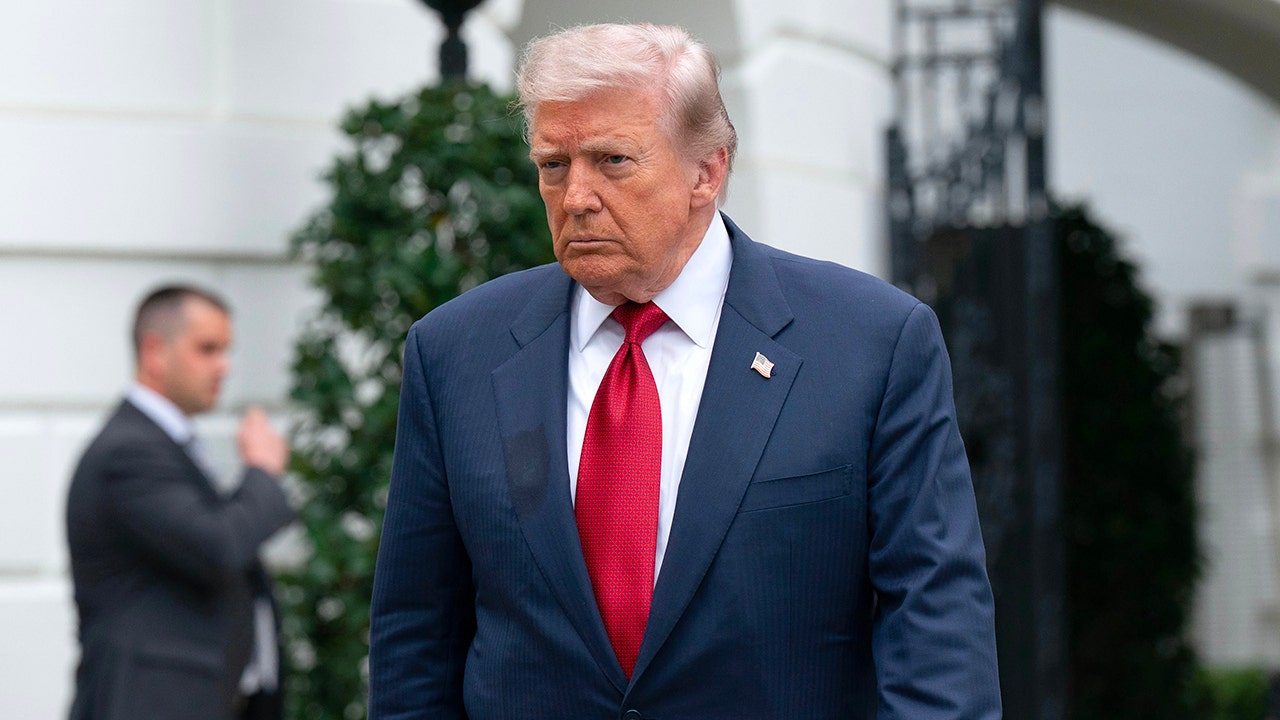
When it comes to equity investors banking on political intervention, Zandi said traders are increasingly betting that President Donald Trump will adjust policy levers to support the markets or the economy if a correction begins.
“Stock investors are looking at the president, the president’s looking at the stock market. That doesn’t feel like a stable… equilibrium — it’s kind of like a hall of mirrors,” he cautioned.
READ MORE FROM FOX BUSINESS
Read the full article here