



A decision by Belarus earlier this week to place Euronews on its list of “extremist” media and ban access to the channel has sparked a wave of support for the media organisation across the continent.
ADVERTISEMENT

ADVERTISEMENT
“The Lukashenka regime’s decision to brand Euronews an ‘extremist’ media outlet is not an act of strength. It is an admission of fear,” said George Papandreou, a former Prime Minister of Greece and current General Rapporteur on Democracy for the Parliamentary Assembly of the Council of Europe.
“Authoritarian regimes do not fear the media-they fear the media they cannot control. They fear independent journalism because it empowers free citizens with facts instead of propaganda.”
Earlier this week, the Belarusian information ministry placed Euronews’ website on its “Republican List of Extremist Materials,” according to Belarus-based media. The ruling is subject to immediate execution under Belarusian civil procedure rules.
The decision means access to the Euronews website will now be restricted in Belarus, while readers could face administrative penalties for storing or distributing its content.
“Wherever there is a lack of freedom, free and independent reporting is quickly suspected of extremism. In that respect, the move by the Lukashenka regime comes as no real surprise,” said leader of the German Liberals and former Vice President of the Bundestag, Wolfgang Kubicki.
“For Belarusian civil society, however, this decision is a bitter blow, as it means the loss of an independent source of information.”
Jürgen Hardt, a member of the Bundestag from Germany’s Christian Democratic Union party, said the blockade highlights Belarusian President Aliaksandr Lukashenka’s “fear of the truth.”
“Euronews has been a key player in the European media landscape for decades,” Hardt said. “Europe is growing ever closer together, and Euronews plays a part in this by helping people realise that they are all concerned with the same issues across our continent: freedom, democracy, security and prosperity.”
“Euronews is right not to bow to these threats,” he added.
Euronews said the designation risks criminalising its audience as well as limiting access to its factual journalism.
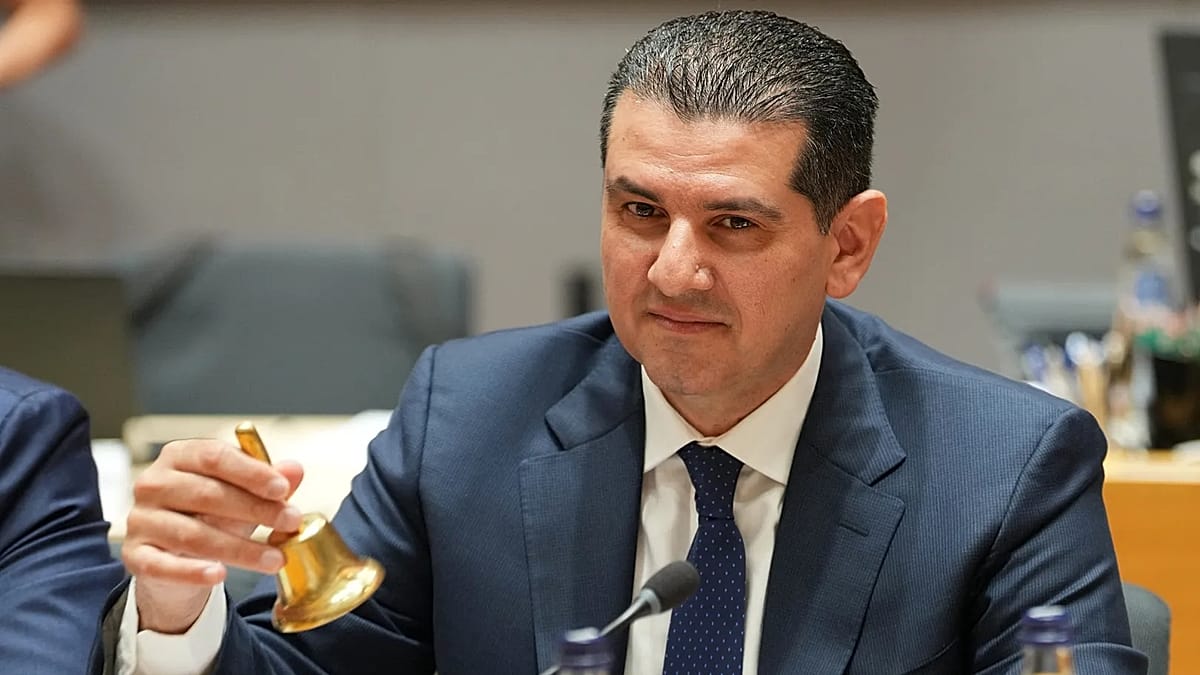
“Belarus’ decision to designate Euronews as an ‘extremist media outlet’ and ban access to it within the country is yet another blow to press freedom and the free flow of information,” said Cypriot journalist and MEP, Loucas Fourlas.
“As a Member of the European Parliament, a member of the Committee on Civil Liberties and the Committee on Culture and Education, and as a journalist, I stand in solidarity with Euronews and its employees.”
Belarus authorities have yet to announce the decision and their arguments that led to Euronews and several other digital media outlets being labelled “extremist media” in Belarus.
Euronews’ television channel broadcast was banned by Belarus authorities in 2021 on a legal procedural basis, before the Kremlin decided to cut Euronews’ television and digital output across the Russian Federation right after Russia’s full-scale invasion of Ukraine.
“The blocking of free media outlets such as Euronews – first in Russia and now in Belarus – is a clear sign of opposition to freedom of expression and diversity,” said Roderich Kiesewetter, a member of the German parliament and the German Council on Foreign Relations.
“Euronews must continue to be a symbol of media freedom and freedom of expression and must not allow itself to be intimidated.”
“Decisions of this kind, which seek to silence and intimidate media organisations, are unacceptable and cannot go unanswered,” said Greek MEP Yannis Maniatis.
“The European Union must continue to stand firmly with journalists, independent media, and the democratic opposition who are striving for a free and democratic Belarus.”
Pavlos Marinakis, Deputy Minister to the Prime Minister of Greece and government spokesperson, added: “We are deeply concerned by the decision of the Belarusian authorities to restrict the broadcasting and accessibility of Euronews.”
“Freedom of the press, media pluralism, and citizens’ unhindered access to information are non-negotiable principles and fundamental prerequisites of any democratic society.”
The International and European Federation of journalists (IFJ, EFJ) said in a statement that they “condemned the decision to ban Euronews from broadcasting in Belarus as a new attempt by the Belarusian government to curb press freedom and restrict the right of its citizens to freedom of information.”
Radio Free Europe/Radio Liberty pointed out that Lukashenka “gave interviews to Euronews four times between 2009 and 2014” and that “during an address to the OSCE, he stated that ‘every citizen here watches Euronews.’”
And in a post on X, exiled Belarusian journalist Hanna Liubakova said, “When a dictatorship calls journalism ‘extremism,’ it’s admitting the truth is its greatest threat.”
For Anna Maria Dyner, the head of the international security programme at the Polish Institute of International Affairs, the ban came as no surprise.
“Personally, I’m actually surprised it took so long,” Dyner said, adding that the move was part of a consistent policy pursued by Belarusian authorities to restrict citizens’ access to independent sources of information.
“Following the 2020 elections in Belarus, the regime effectively dismantled all remaining vestiges of freedom of speech in the country,” Dyner said.
‘Shameful’ ban
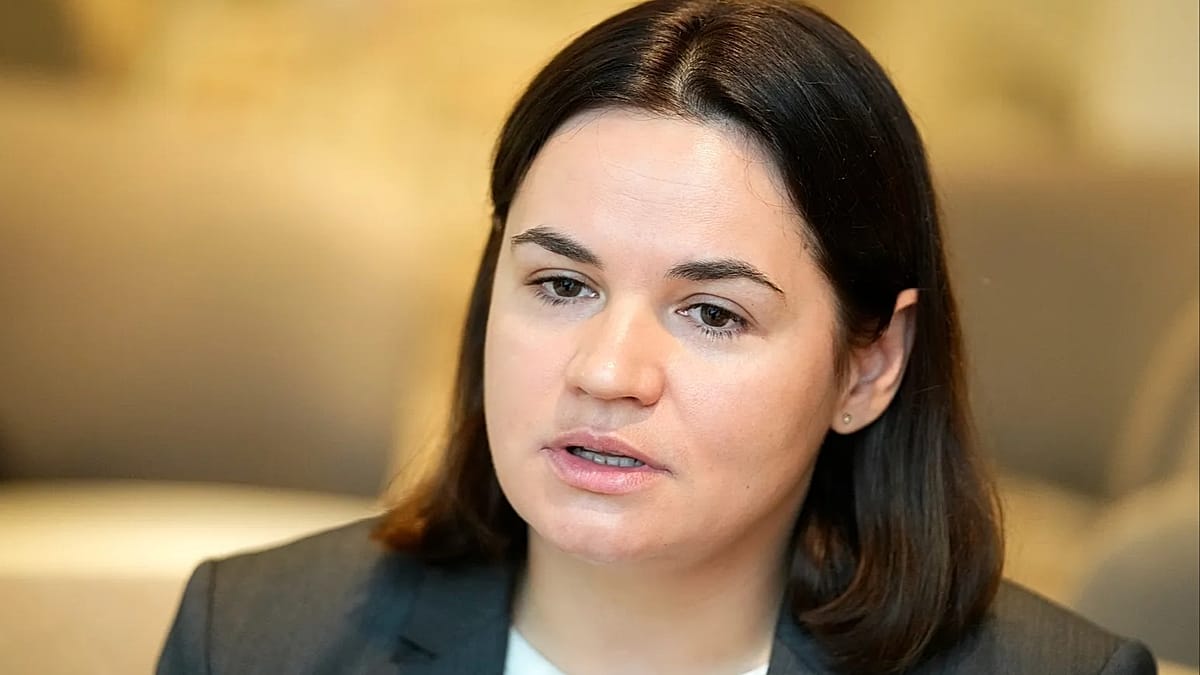
Earlier on Friday, Belarus’ opposition leader Sviatlana Tsikhanouskaya condemned Minsk’s decision, describing it as a “shameful” attempt by Aliaksandr Lukashenka’s government to cut Belarusians off from its factual and independent reporting.
“Lukashenka’s regime has branded Euronews, a leading European news platform, ‘extremist’ for bringing the truth to millions of Belarusians,” she wrote in a post on X.
“This attacks media freedom and turns viewers into targets of repression,” she added, urging the broadcaster to “stay strong” and underlining that: “your work matters.”
Claus Strunz, Euronews’ editorial director, said on Friday the outlet had not been notified of the decision and was awaiting arguments from the authorities.
“A state that brands Euronews as ‘extremist’ and blocks access to independent, impartial journalism reveals its own fear of free reporting,” Strunz said.
He added that the outlet would continue to provide “factual, independent journalism” for its audience in Belarus.
The independent Belarusian Association of Journalists suggested that the suspension of Euronews broadcasts was linked to attempts to restrict access to sources of information.
Read the full article here