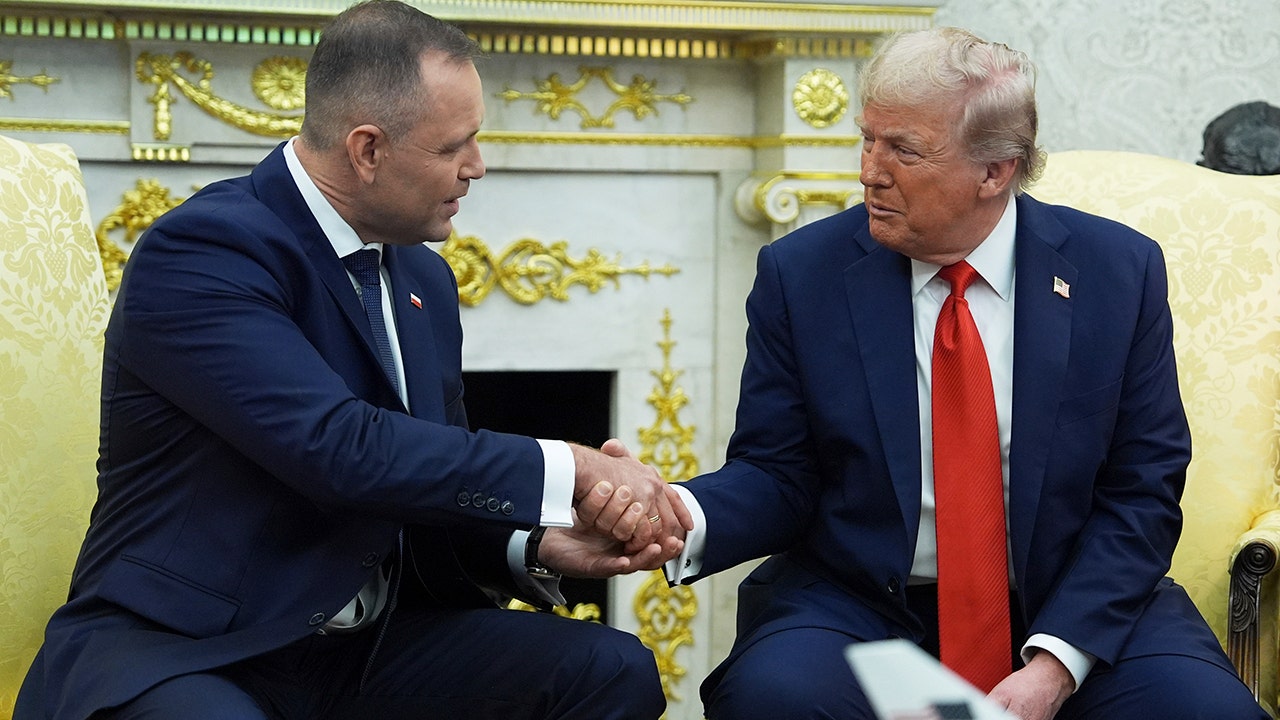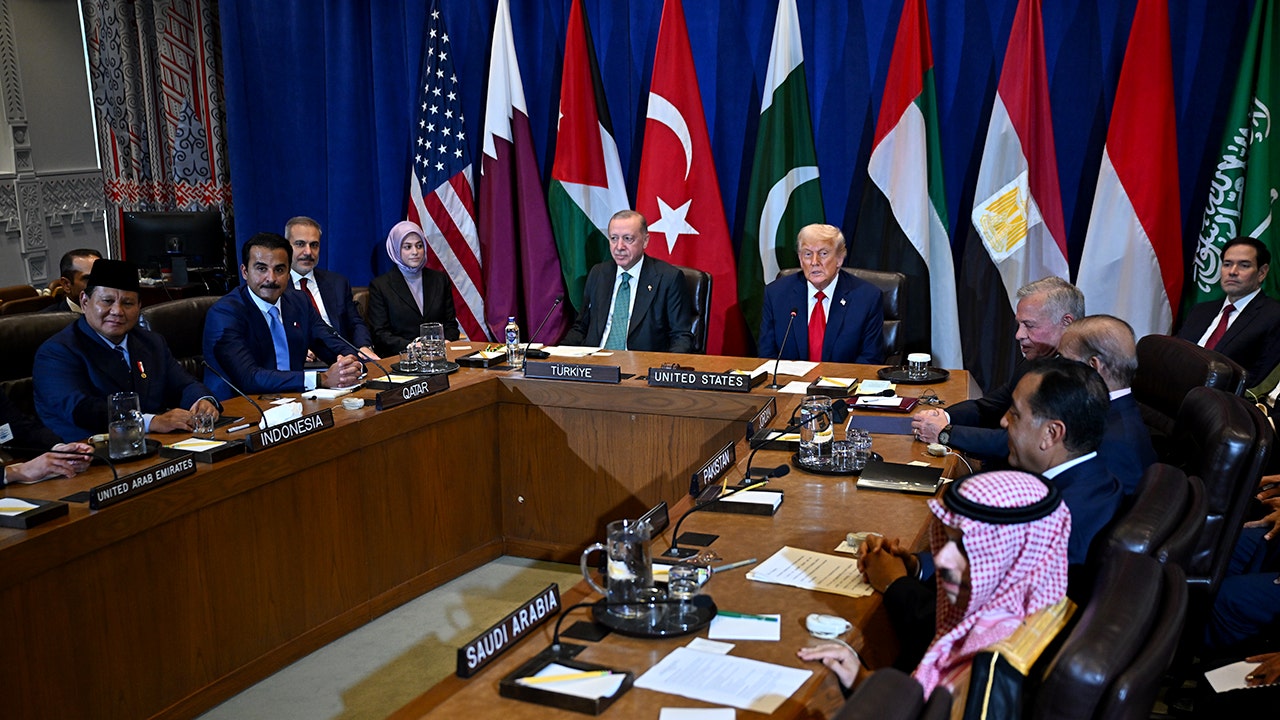
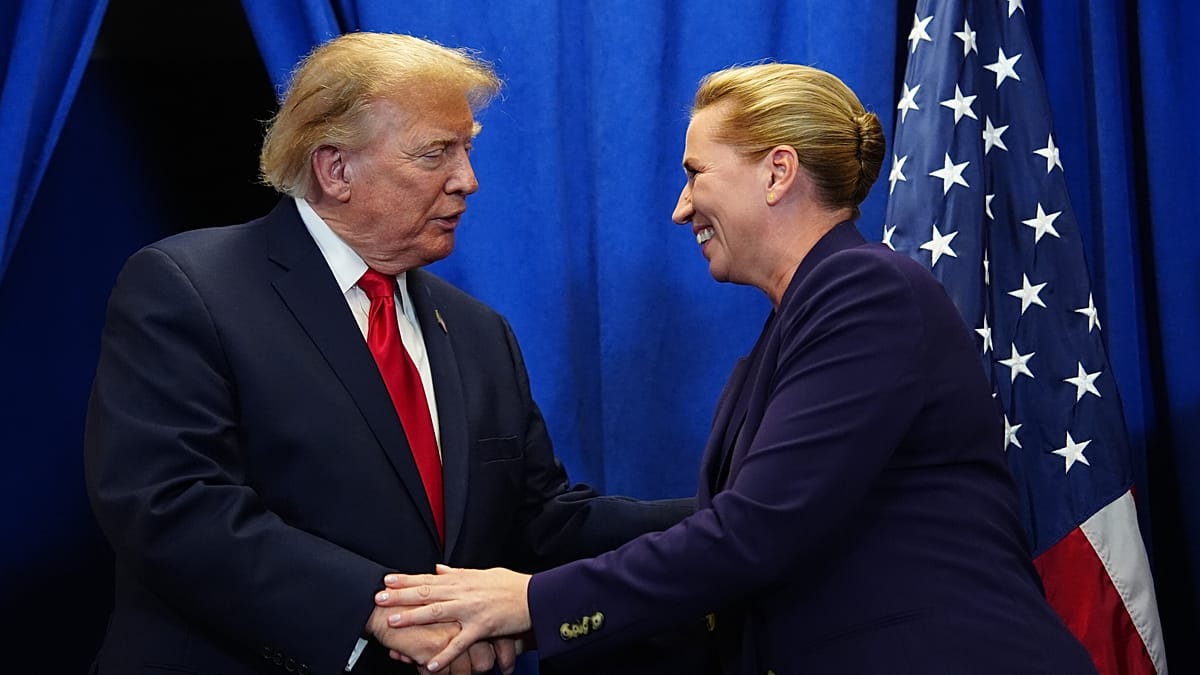


US President Donald Trump, Danish Prime Minister Mette Frederiksen, and Greenlandic Prime Minister Jens-Frederik Nielsen signed a deal on the sidelines of the UN General Assembly in New York on Tuesday, putting an end to the political battle for control of Greenland.
ADVERTISEMENT

ADVERTISEMENT
The new agreement reaffirms Washington’s right of access to Greenland but crucially does not grant it ownership. It also sets out plans for the US to reopen two more bases – at Narsarsuaq, a former Cold War-era installation in southern Greenland, and Mestersvig on the east coast.
The agreement comes after a sustained campaign by the White House accusing Denmark of not doing enough to defend Greenland from the growing threat of Chinese and Russian presence in the region, and demanded Denmark give the island to the United States.
The deal signed earlier this week shows that while Trump succeeded in ramping up America’s military presence in Greenland, he compromised significantly on this maximalist demand to take over the strategically located island — the largest in the world.
As expected, negotiations over the deal were based on the pre-existing 1951 Defense of Greenland Agreement, which already allowed the US considerable rights to set up military bases and infrastructure.
The US military maintained 17 bases and around 10,000 military personnel at the height of its presence during the Cold War. This gradually whittled down to just one lone base – the Pituffik Space Base on the northwest coast.
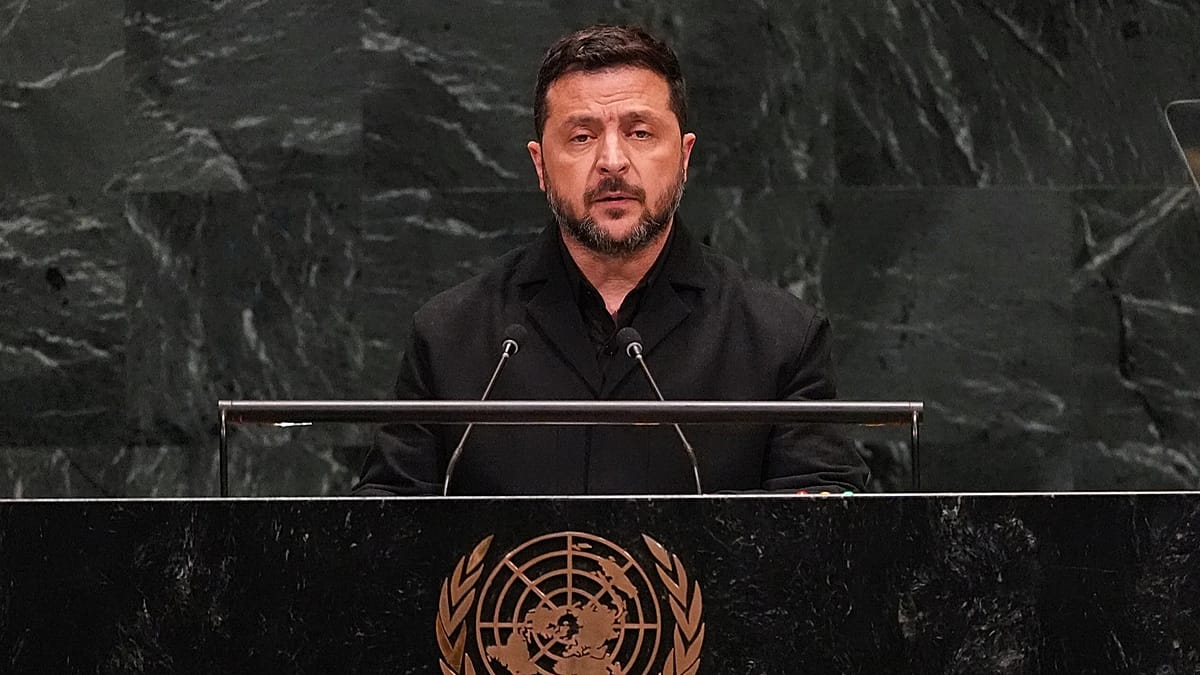
Trump used his speech at the UN General Assembly to say the arrangement gives Washington “permanent control over security and all other needs” in Greenland.
“No US adversary will ever be permitted to establish a military presence in Greenland anymore, or make sensitive investments there without our express written approval,” he said.
NATO Secretary General Mark Rutte also welcomed the new deal, posting on social media platform X, “This agreement, along with NATO’s growing role in securing this vital region, enhances our collective security and supports a safer and more stable future for us all.”
What has the US gained?
The biggest gain for the US comes under Article 10, which effectively gives the US veto rights over foreign investment from any country that isn’t an EU or NATO member.
“The Parties agree that states or investors from a state that is not a member of NATO, a NATO partner, or an EU member state shall not be allowed to have (i) control, (ii) significant influence…. unless agreed between the Parties that the activities of such states or investors would not constitute a threat to national security or public order,” the agreement reads.
Commenting on Washington’s newly-won veto right, former US Judge James E. Baker told Euronews that overall the agreement should be taken in good faith.
“Trust is the coin of the realm with alliances. And trust is built through diplomacy, process, and the identification of shared interests and values, not threats,” he said in an interview with the Syracuse University Institute for Security Policy and Law, which he directs.
“The agreement should put the US relationship with Denmark and Greenland and NATO back on a path that recognises and respects our longstanding friendship, alliance, and mutual security interests, including in the Arctic,” said Baker.
Another provision under the agreement prohibits non-NATO states from establishing military installations in Greenland. But these provisions were already part of the previous deal.
Crucially, under the agreement, NATO will remain central to Greenland’s security and defence and an “essential” part of its future.
A ‘permanent’ solution
The preamble of the agreement expressly recognises the “sovereignty and territorial integrity” of Denmark as well as the right to self-determination of the People of Greenland.
The deal is also deemed “permanent”, so it will apply even if the Greenlandic people vote to separate from Denmark.
Greenland is politically attached to Europe through Denmark, but is also regarded as a strategic asset for North America by the Trump administration.
Its vast, sparsely populated territory is ideal for regional defensive military installations such as radar and warning systems. It sits amid critical North Atlantic and Arctic flight and missile paths — making it a militarily strategic island.
It’s also rich with rare earth elements, and critical raw materials, although accessing and extracting these would require significant infrastructural commitment.
The island’s shrinking icesheets are opening new sea lanes allowing for increased lucrative commercial activity, meaning we probably haven’t heard the last on this issue.
Read the full article here