



Hungary has cleared the way for the EU to open two more negotiating clusters with Ukraine, signalling that Budapest is ready to lift its veto if Kyiv passes a minority-rights law next week.
ADVERTISEMENT

ADVERTISEMENT
The move removes a major obstacle ahead of next week’s European Council summit. It would also allow Moldova’s accession talks to advance, as the two candidate countries have been closely linked in the process.
Budapest had blocked further progress until Ukraine adopted legislation strengthening the educational and cultural rights of the ethnic Hungarian minority in Transcarpathia.
Following an agreement at expert level, Ukraine’s parliament, the Verkhovna Rada, is expected to adopt the legislation on Monday. That would clear the way for Hungary to approve the opening of clusters two and three at the General Affairs Council in Luxembourg the following day.
At the same meeting, member states are also expected to approve a €4.2 billion cohesion payment to Hungary that had previously been blocked over corruption concerns.
On Wednesday, Hungary allowed technical preparations to proceed for the letters the Council must send asking Ukraine to submit its negotiating positions – a formal step towards opening the clusters.
Budapest had previously blocked even this preparatory work, making Wednesday’s move a strong signal that it is prepared to lift its veto once Kyiv adopts the minority-rights legislation.
The clusters could then be formally opened at an Intergovernmental Conference next Tuesday.
The process could still be derailed, however. Ukraine’s parliament has yet to approve the minority law, amid difficulties in securing stable majorities in the Rada.
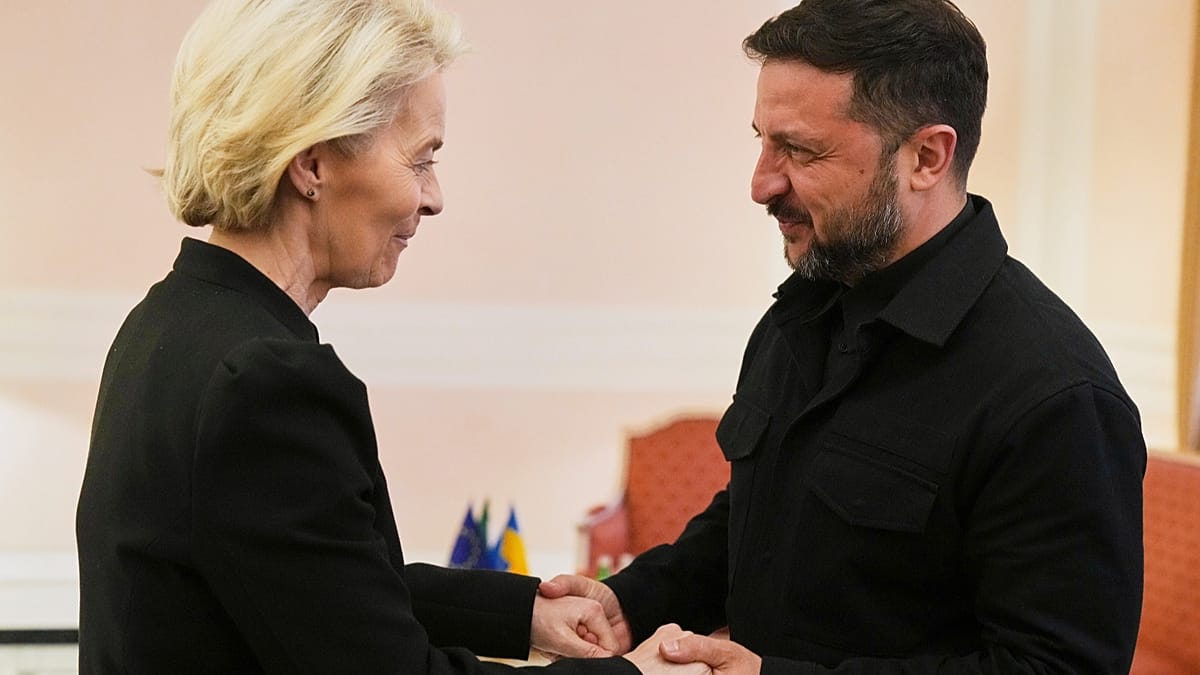
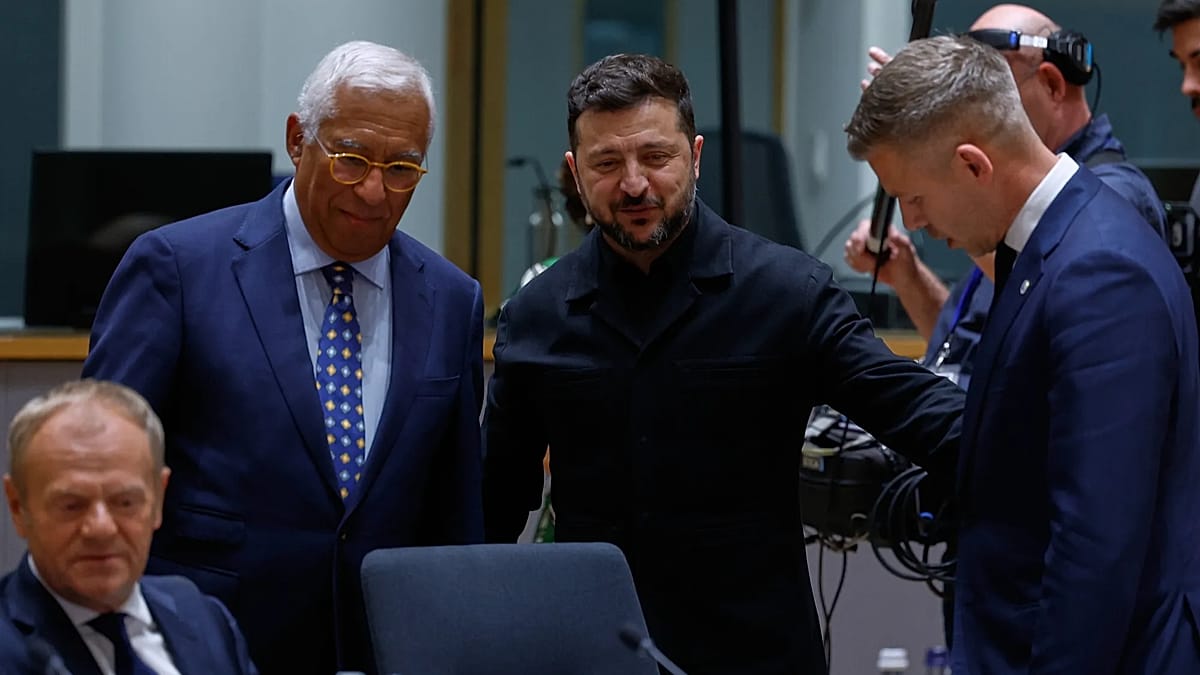
Settling the dispute could also pave the way for the first bilateral meeting between Hungarian Prime Minister Péter Magyar and Ukrainian President Volodymyr Zelenskyy. The two had previously planned to meet, but Magyar made the talks conditional on progress on minority rights.
The two clusters cover the internal market and competitiveness. Earlier this year, Kyiv opened clusters covering the so-called fundamentals – including the rule of law and judiciary – as well as external relations.
If two clusters are opened next week, Ukraine would then still have two more to open to begin its accession process in full, on the green agenda and EU resources. Brussels aims to open all remaining clusters by the end of the year.
Uneasy relationship
Relations between Hungary and Ukraine soured sharply under Magyar’s predecessor, Viktor Orbán, whose government repeatedly clashed with Kyiv and blocked its progress towards EU membership.
Orbán fought a fiercely anti-Ukraine election campaign, portraying Kyiv as a threat to Europe’s security.
After a landslide election victory in April, Magyar, who took office in May, promised a more pragmatic approach towards Ukraine. In June, he approved the opening of two negotiating chapters after Kyiv adopted an 11-point action plan on minority rights.
The rights of ethnic Hungarians in Transcarpathia nevertheless remain a source of tension.
After years of hostility towards Ukraine under Orbán, conservative voters remain wary of closer ties with Kyiv. But defending ethnic Hungarians abroad is also popular with conservatives, potentially giving Magyar room to strike a deal.
In September, relations hit another low after Magyar clashed publicly on X with Ukraine’s Foreign Minister, Andrii Sybiha, over Hungary’s participation in Zelenskyy’s Carpathian summit, which aims to boost development in the region.
Magyar criticised Ukraine for listing Hungary as a participant without his approval, while Sybiha accused him of following in Orbán’s footsteps. Hungarian Foreign Minister Anita Orbán later discussed the dispute with Sybiha at the UN General Assembly in New York.
Last week, the two foreign ministers held intense talks over a Ukrainian website’s blacklisting of two Hungarians: footballer Milos Kerkez and opposition MP Balázs Hidvéghi.
The dispute followed a match between the Hungarian and Ukrainian national teams in Budapest, where some Hungarian ultras booed the Ukrainian anthem and several players clashed on the pitch.
Foreign Minister Orbán condemned “the stigmatisation, any form of blacklisting, or potential threats against Hungarian citizens” and said Budapest was in touch with Ukrainian officials to resolve the situation.
Read the full article here