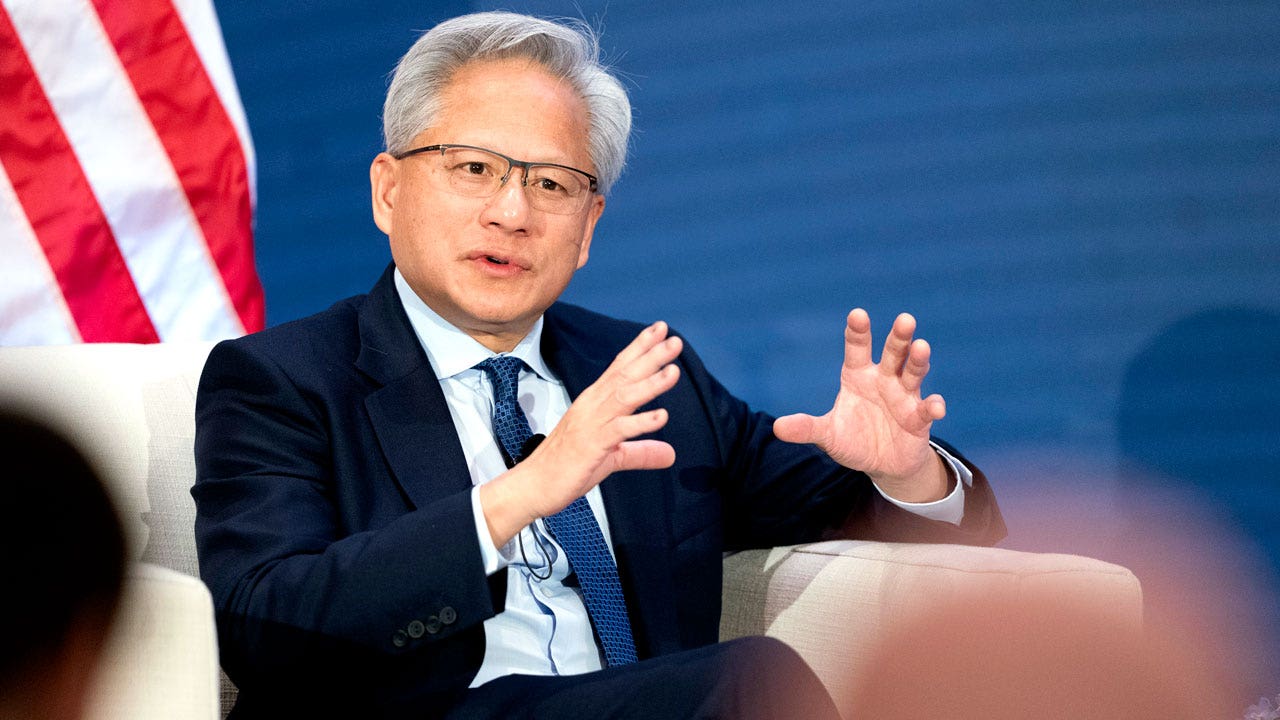




Nvidia’s investigation into the affair between CEO Jensen Huang and an alleged Chinese spy is highlighting the risk of espionage to Silicon Valley firms that are developing cutting-edge technology, particularly those linked to artificial intelligence or national defense.
Huang admitted to and apologized for the affair in a statement on Sunday, when Nvidia’s board of directors announced it had opened an independent investigation into the matter to determine if any national security or Nvidia secrets were compromised. At the time of the announcement, the board said it had no reason to believe that they had been, though the inquiry will examine all available information.
Mark Trott, a former FBI special agent who is a program manager at Concentric Advisors, told FOX Business in an interview, “Silicon Valley is a center for espionage and everyone out here should understand that they are not isolated from the world,” and that any tech executive or worker with access to proprietary information could be a target.
“Other nations are going to work tirelessly to acquire what the U.S. has built in Silicon Valley and the technologies that have been developed here,” Trott said. He added that those technologies “could be potentially game-changing in terms of economic or military power for a nation,” prompting operations to gain insights or access to them, or to keep the U.S. from making further advancements.
NVIDIA CASE HIGHLIGHTS RISKS OF ALLEGED ‘HONEYPOT’ SCHEMES TARGETING EXECUTIVES
Trott explained that espionage efforts could benefit the foreign government and its industries by gaining access to things like a company’s strategic plans, research and development for new technologies or products such as advanced AI chips that may be subject to export controls.
That can allow them to “save untold amounts of money and effort by taking what has been learned” and then allow foreign companies to move further along in their own development process, he said.
Other foreign intelligence operations could see them feed executives information in the hope it’s passed along to political leaders and can, in turn, influence U.S. policy in a certain direction.
SHORT SELLER FLAGGED JENSEN HUANG’S ‘UNCOMFORTABLY CLOSE’ TIES TO ALLEGED CHINESE SPY MONTHS AGO

Trott said tech executives should be in a defensive posture to “be on the lookout for potential approaches” that may “run the gamut of any and all human vulnerabilities.”
“Intelligence officers – if they’re professional, and they’re good – are experts in human behavior, and they’re going to attempt to understand you better than you know yourself, and they will exploit ambition, financial incentives, greed, sometimes personal attractiveness from another asset. Anything that they can to build trust with you and use that against you,” he explained.
Trott noted that due to the risks present in espionage operations, intelligence officers “tend towards something less risky at first, like a social media message or hitting you up on some sort of platform at a conference, using professional vehicles as a way to gather intelligence on you and about you and what you’re working on.”
CHINA DENIES SPY PLOT TARGETING NVIDIA CEO JENSEN HUANG, CALLS ALLEGATIONS ‘SMEAR’
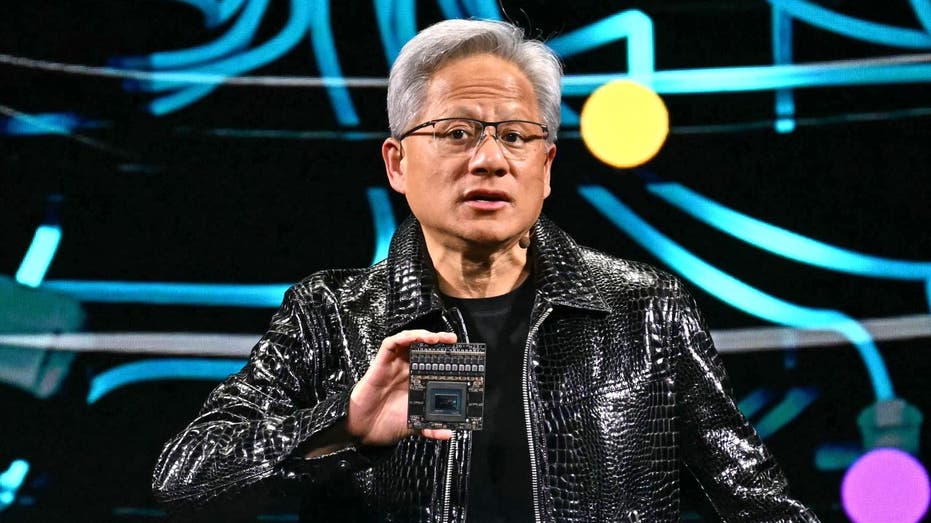
“There’s a fine line between being paranoid and being self-aware,” Trott said. “Tech industry executives and tech industry workers need to understand that if they have access to something that someone else wants, they are a target, but they also need to collaborate and work within the industry.”
“They just need to be aware, and if there’s any question on some sort of message they received or someone who came up to them at a professional conference that seemed a little weird, they need to discuss that with their company’s insider risk program,” he added.
CLICK HERE TO DOWNLOAD THE FOX NEWS APP
Companies’ insider risk programs should also be mindful to not focus solely on diplomatic relations between the U.S. and other countries, as Trott said they should look “holistically at countries that their executives and their employees travel to and what industries are in those countries, even ones that are traditionally allied.”
Read the full article here