



Published on
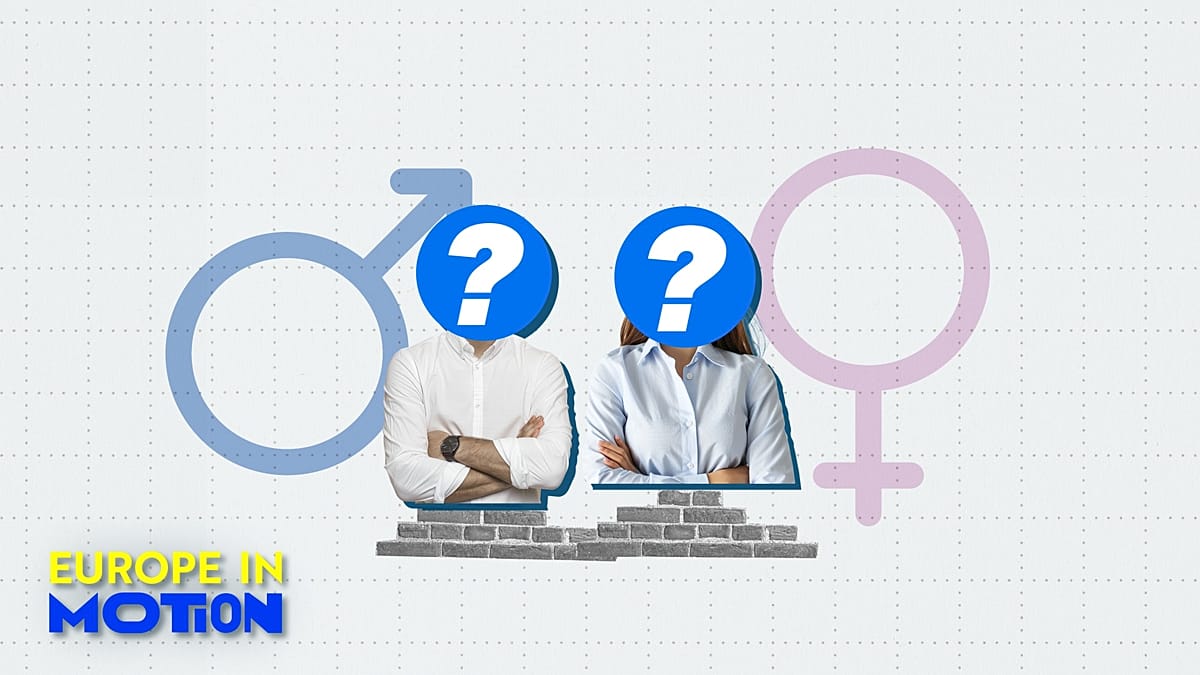
International Women’s Day is celebrated on 8 March, and the data appears to show that more and more women are taking on positions of authority in the corporate world.
ADVERTISEMENT

ADVERTISEMENT
New statistics from Eurostat say that, in 2024, 35.2% of all managerial positions in the EU were held by women, up from 31.8% in 2014.
There was a higher share of young women managers aged between 15 and 39 than in other age groups: almost 40% of managers in that age group were female.
The share decreases with age, with 34.4% of women managers aged 40 to 64 and 26.5% of those aged 65 and older.
The numbers change depending on where in the EU we’re looking, too: the largest shares of women in managerial positions were seen in Sweden (44.4%), Latvia (43.4%) and Poland (41.8%).
On the other end, the lowest rates were recorded in Cyprus (25.3%), Croatia (27.6%) and Italy (27.9%).
But the numbers are rising in the vast majority of EU countries – Luxembourg saw the largest increase in women managers since 2014, at 13.7%. It was followed by Malta (10.1%) and Cyprus (7.9%).
However, Slovenia (-3.8%), Latvia (-0.7%) and Lithuania (-0.2%) actually registered a drop in women in managerial positions during that time.
The rise in female corporate leaders comes as more and more women take on roles in traditionally male-dominated areas in the EU, such as science and engineering.
Europe in Motion previously reported that the number of female scientists and engineers in the bloc increased from 3.4 million in 2008 to 7.9 million in 2024.
The boost in female managers also follows a push by the EU to have more balanced gender representation on the boards of listed companies, specifically through the implementation of its Gender Balance on Corporate Boards Directive.
The directive sets a target for businesses to have 40% of the underrepresented sex among their non-executive directors, and 33% among all directors.
While the deadline for companies to meet these objectives is 30 June 2026, the deadline for EU members to transpose the directive into law was December 2024, meaning companies were already pushing to improve diversity in their leadership in line with the Eurostat data.
Nevertheless, regardless of managerial positions, there’s still a clear employment gap between men and women: other recent figures from Eurostat show that 80.8% of men were employed full-time across the bloc in 2024, falling to 70.8% of women.
The share of women in part-time employment was significantly higher than that of men, though (27.8% vs 7.7%), and Eurostat said that the employment gap fell by 1.1% across the EU over the past decade — a trend registered in 22 EU countries.
Read the full article here