


After six weeks of conflict in the Middle East, the United States (US) and Iran reached a ceasefire on Tuesday. But it is hanging on a thread.
ADVERTISEMENT


ADVERTISEMENT
US President Donald Trump announced the truce on his social media platform Truth, claiming it was made on the condition of Iran reopening the Strait of Hormuz, a key route for global oil transport.
The ceasefire however is very fragile. On Thursday, Iran closed the Strait of Hormuz in response to Israeli attacks in Lebanon. At the same time, Trump said American forces will remain “in place” until the Islamic Republic fully complies with the “real” ceasefire agreement.
In this fast-changing context, Brussels, My Love? looks into the energy crisis arising from instability in the region. With guests Frederico Oliveira da Silva, head of energy at BEUC, the European Consumer Organisation, Dimitar Lilkov, senior research officer at the Wilfried Martens Centre and Marta Pacheco, EU energy and environmental reporter at Euronews, we take a look at what the instability means for our pockets.
The energy crisis
According to Lilkov, fragile is not only the right adjective to describe the ceasefire. “Fragile also applies to the whole system of energy security or energy insecurity we have,” he said.
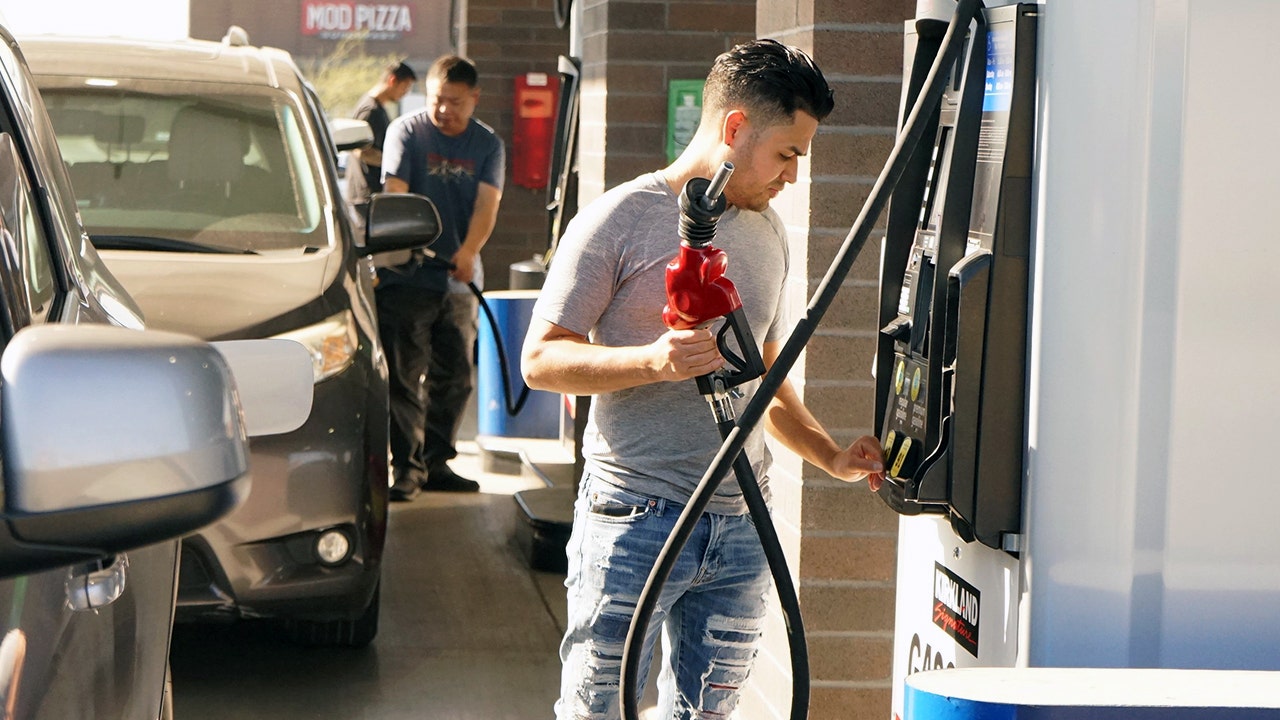
The closure of the Strait of Hormuz during the weeks of the conflict has pushed European leaders to reconsider their countries’ dependence on imported oil. But energy instability is not new.
“Before the Iran war, we (EU countries) were already dealing with the domestic energy crisis,” Pacheco explained.
“So at this point we see we had the domestic crisis that grew into a global energy crisis,” she added.
What should the European consumers do?
According to Oliveira da Silva, it’s still difficult to assess how bad the energy crisis is, but Europeans are already paying some of its costs. “Consumers are quite concerned because prices have already increased,” he said.
In his opinion, however, this crisis has a solution and a way forward: “It’s important that there is a unanimous support at the EU level, at the member state level, that the way to prevent this from happening in the future is with the decarbonisation of our economy and getting rid of fossil fuels,” he said.
A transition that, according to Lilkov, is quite complicated to put into practice: “We need to be pursuing both investing in renewables and decarbonisation, but also being mindful that most of our economy, unfortunately, is still set on fossil fuels.”
Listen to the podcast in the player above or wherever you get your podcasts.
Additional sources • Georgios Leivaditis, sound editing and mixing.
Read the full article here