




Alphabet executives struck a confident tone on Wednesday’s post-earnings call, signaling that Google’s heavy investments in artificial intelligence are now translating into real revenue growth across the business.
The call was the first since Google released its Gemini 3 model, which has boosted user engagement and helped the company regain momentum in the intensifying AI race.
While executives did not name OpenAI directly, the message to investors was clear: Google’s AI push is no longer just about experimentation – it is delivering returns across search, cloud and enterprise products.
That confidence is underpinning Alphabet’s willingness to dramatically increase spending. Executives said the company is considering capital expenditures of between $175 billion and $185 billion in 2026 to expand AI computing capacity, a forecast that initially rattled investors.
APPLE SEES BIGGEST SALES JUMP IN 4 YEARS, POWERED BY ‘STAGGERING’ IPHONE DEMAND
“Overall, we’re seeing our AI investments and infrastructure drive revenue and growth across the board,” CEO Sundar Pichai said.
The scale of that growth is now visible across the company. Alphabet reported more than $400 billion in annual revenue for the first time, underscoring the strength of its core businesses even as it pours money into AI infrastructure.
SPOTIFY NOW REPRESENTS ONE-THIRD OF THE MUSIC INDUSTRY’S TOTAL RECORDED REVENUE IN 2025
Google’s Gemini app surpassed 750 million monthly active users by the end of the October through December quarter, up from 650 million in the prior period. While it still trails OpenAI’s ChatGPT – which its CEO said has more than 800 million weekly users – Pichai said engagement has risen sharply since the Gemini 3 launch.
Gemini 3 is now embedded into Google’s search experience and powers its enterprise AI offerings, which have reached 8 million paying licenses, according to the company.

Investor nerves over the capex surge eased as results came in. Google Cloud revenue jumped 48% in the quarter, reinforcing Wall Street’s view that Alphabet’s AI investments are driving tangible growth rather than speculative spending.
The stock initially fell as much as 6% in after-hours trading before stabilizing, reflecting a broader message from investors: massive AI spending will be tolerated only if it produces clear financial returns.
Alphabet’s financial strength gives it an edge in that environment. With a deep cash position and multiple profit engines – from search and YouTube to cloud services – the company is better positioned than many rivals to sustain the enormous costs of the AI arms race.
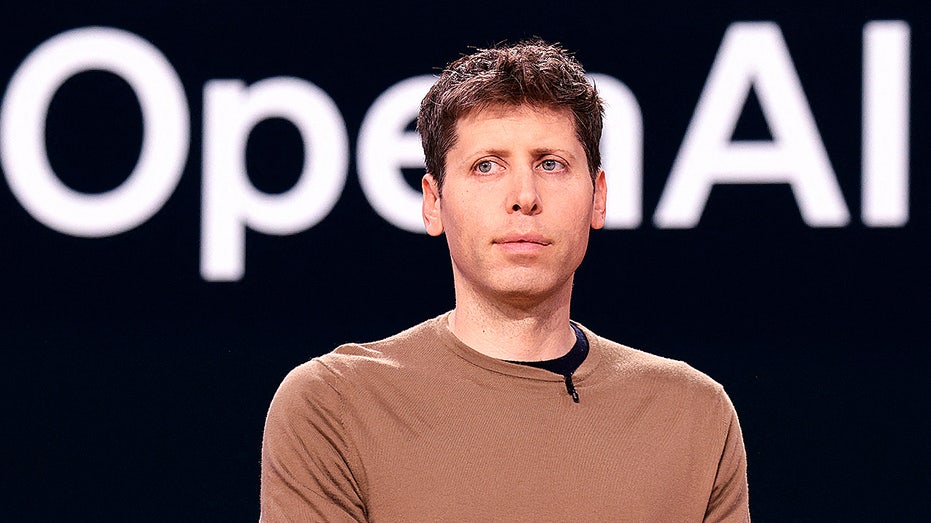
Since early last year, Alphabet has gone from perceived laggard to leader among the “Magnificent Seven” tech giants, now rivaled only by Nvidia and Apple in market value. By contrast, growing investor unease around OpenAI’s costly expansion has highlighted the appeal of Alphabet’s scale, profitability and balance-sheet firepower.
CLICK HERE TO GET FOX BUSINESS ON THE GO
“If you are software and you are connected to OpenAI, you’re doubly not intriguing to people,” said Eric Clark, portfolio manager of the LOGO ETF. “Right now, Google has the hot hand.”
Read the full article here