



Published on
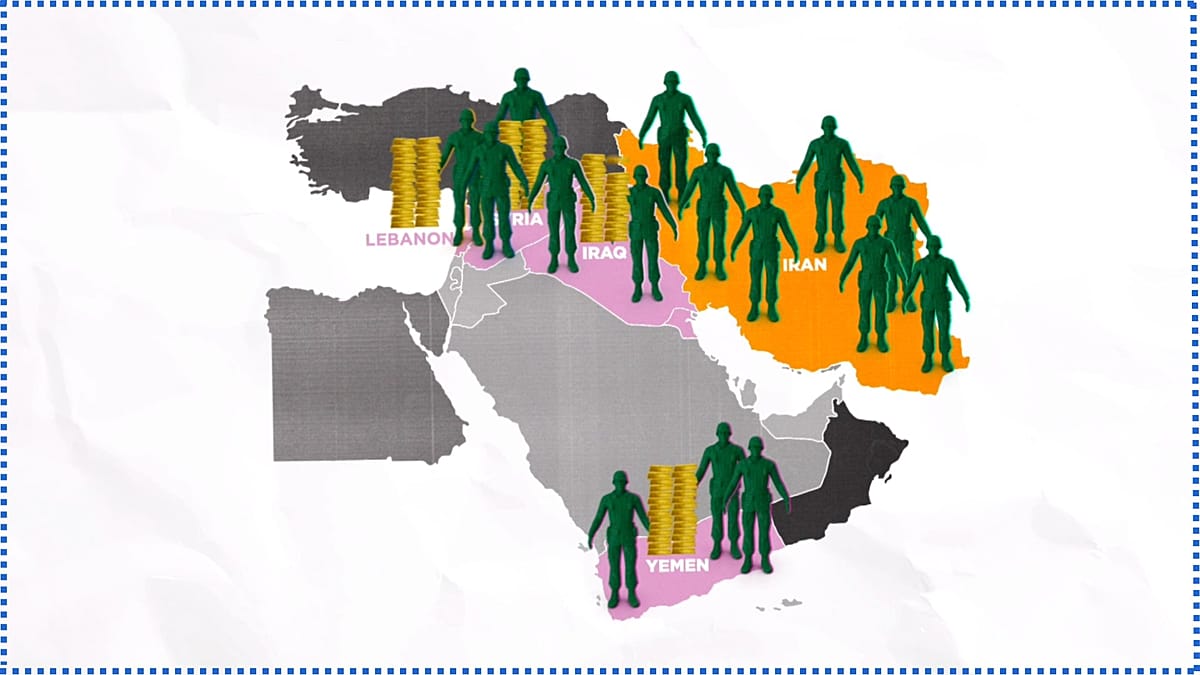
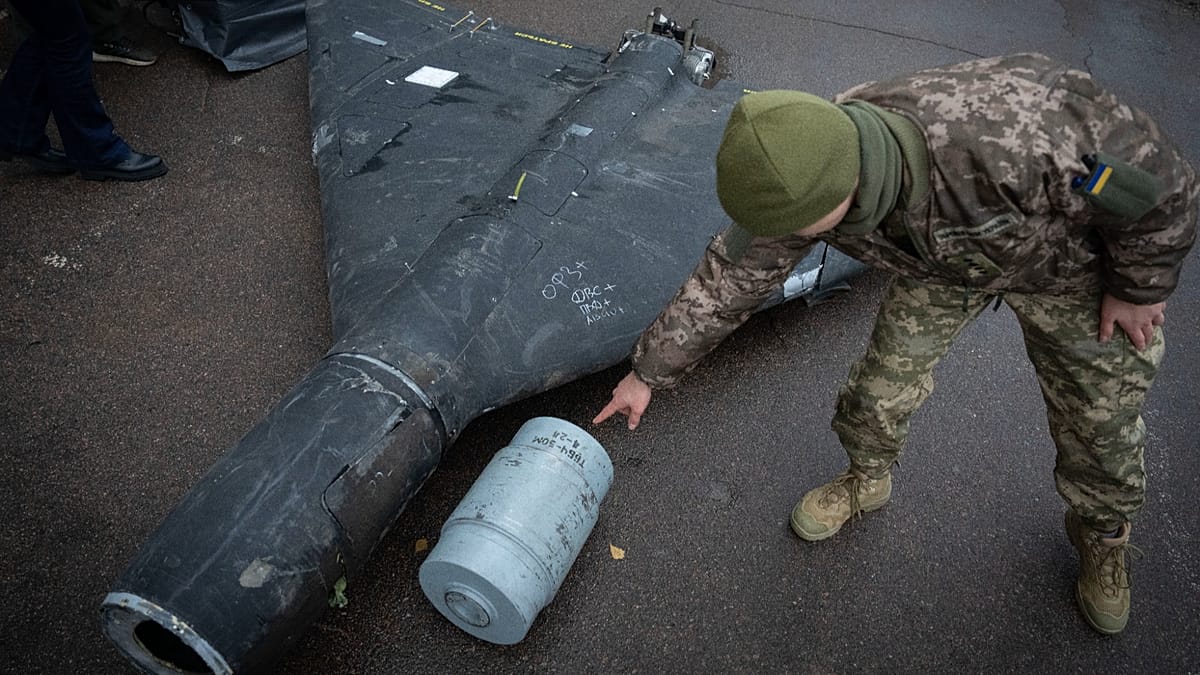
Russia’s use of the Iranian-designed Shahed drone has been a major feature of the war in Ukraine – yet an expert in Russia’s execution of its full-scale invasion has told Euronews that the impact the crisis unfolding in the Middle East will have on the war should not be overestimated.
ADVERTISEMENT


ADVERTISEMENT
“Unfortunately for Ukraine, the Iran war will have a negligible impact on Russia’s strike capabilities,” John Hardie, deputy director of the Russia Program at the Foundation for Defence of Democracies, told Euronews.
“While Iran initially provided drones directly to Russia, since 2023, Russia with Iran’s help has launched localised production of drones,” he added.
According to official Ukrainian data, Russia launched more than 54,500 Shahed-type UAVs against Ukraine in 2025, including 32,200 Shahed-type strike UAVs. Moscow also started testing newer versions of the drones, which it designates as “Geran-4” and “Geran-5”, towards the end of 2025, and the Russian military has been manufacturing and upgrading the Iran-made Shahed kamikaze drone for years.
Ukrainian President Volodymyr Zelenskyy told the Munich Security Conference last month that the Shahed had evolved tremendously since the start of the war four years ago and can now act as a “mother drone” by carrying other smaller unmanned vehicles.
Dmytro Zhluktenko, an analyst in the Ukrainian military’s Unmanned Systems Forces, told Euronews that other modifications Russia has provided to the Shahed include repainting airframes for night-time launches, incorporating 4G modems with foreign sim cards (including from Ukrainian operators), fitting a jet engine onto the UAV to avoid interceptions, and using air-to-air missile launchers to tackle interceptors.
The innovation cycle is under eight weeks, he said.
Zhluktenko also pointed out that most of the components they have identified come not from Iran but from China, Germany, Switzerland, Japan, the United States, and other Western countries.
Hardie agreed, saying that “Iran, at this point, plays a minor or even inexistent role in the Shahed supply chain.”
Other risks for Ukraine
While Hardie conceded that regime change in Iran could land a “big strategic blow” to Vladimir Putin’s ambitions in the Middle East over the medium to long term, the short-term risks slant more negatively towards Ukraine.
“We’ve seen a lot of Patriot missiles used already” in the Middle East to defend against Iranian strikes, Hardie said. “If it lasts longer, I would start to worry about the availability of PAC-3 missiles for Ukraine.”
Kyiv has repeatedly called on Western allies to donate the PAC-2 and PAC-3 missiles used in the US-made Patriot air defence systems, stressing that it uses them nearly as soon as it receives them.
The US stopped all financial and military donations to Ukraine last year, with Kyiv now relying on other Western partners to buy them from the US and donate them.
Hardie also pointed out that the unfolding events in the Middle East could distract Washington from ongoing peace talks between Ukraine and Russia.
Some European leaders have already expressed such fears.
Lithuanian President Gitanas Nausėda wrote on X following a phone call with his Estonian counterpart on Monday that they had “agreed that the crisis in the Middle East must not divert the international community’s attention from Russia’s ongoing war against Ukraine”.
“Europe must remain united and continue its consistent political, economic, and military support for Ukraine,” he added.
Read the full article here