






A breakthrough personalized mRNA cancer vaccine that trains the immune system to target patients’ unique tumor mutations is showing promising results, with five-year trial data showing the risk of recurrence or death in melanoma patients was cut by about half when combined with Merck’s Keytruda, Moderna CEO Stéphane Bancel told FOX Business on Wednesday.
“The results are really exciting,” Bancel said on FOX Business’ “Mornings with Maria.”
“We saw a recurrence-free survival, meaning people [are] not dying from the disease or getting the disease coming back. At five years, we saw 50% improvement versus people getting Keytruda [alone], Merck’s blockbuster medicine, which has saved so many lives.”
COMMON VITAMIN SHOWN TO SLASH SKIN CANCER RISK IN SOME GROUPS, STUDY SUGGESTS
He continued, “As you see, this is very meaningful for patients, and we are very excited because this year we should get the phase three study result for that medicine and hopefully, if it’s positive, we should be able to file very quickly with the FDA to get this to the American people to save them from their disease.”
Melanoma is considered the deadliest form of skin cancer. The American Cancer Society estimates about 8,500 Americans will die from the disease in 2026.
NUCLEAR WASTE BEING TRANSFORMED INTO PROMISING CANCER TREATMENT AT FORMER MANHATTAN PROJECT SITE
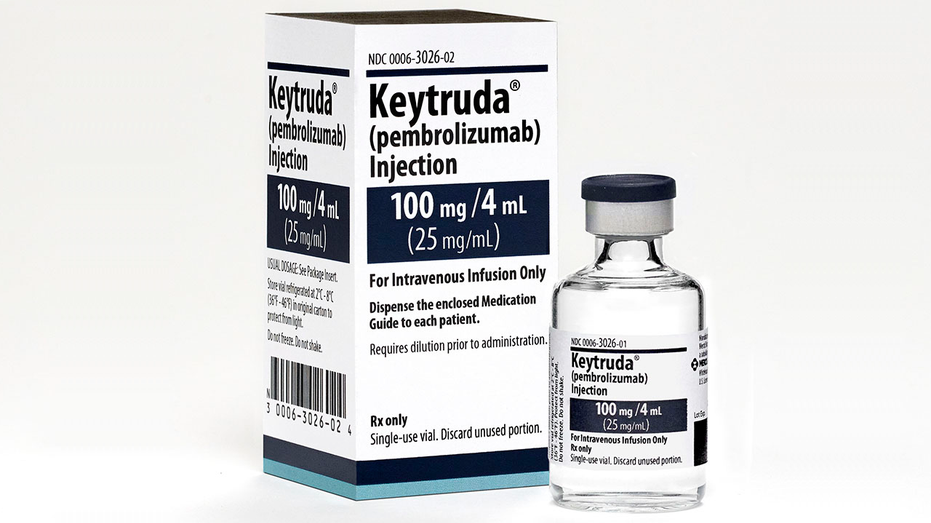
Bancel said the individualized approach of intismeran autogene (formerly known as mRNA-4157) allows Moderna to design a custom treatment for each patient based on their specific tumor mutations, enabling the immune system to more precisely target cancer cells.
“If you and I were diagnosed the same day by the same doctor with skin cancer, Moderna would make a different medicine for your cancer and a different medicine for mine,” he told Maria Bartiromo, adding the personalized vaccine can be manufactured in roughly 30 days.
Bancel said the treatment showed no added safety risks or side effects compared with Keytruda alone.
“You see a huge benefit for the patients and the families with no downside of side effects, so that’s why it’s also so exciting,” he said.
Beyond melanoma, Moderna’s collaboration with Merck is expanding, with nine ongoing studies examining the personalized mRNA therapy in cancers such as kidney, bladder, and gastric cancer, among others.
Read the full article here