


Good morning from Brussels. I’m Mared Gwyn.
ADVERTISEMENT

ADVERTISEMENT
The US and Israel traded more strikes with Iran overnight after President Donald Trump issued a stark ultimatum yesterday, saying the US would “completely obliterate” Iranian electricity and energy sites unless the Strait of Hormuz opens to international shipping.
In Lebanon, two more UN peacekeepers have been killed in the second such lethal incident in the space of 24 hours, according to the UN Interim Force, UNIFIL. The killing of a first peacekeeper on Sunday triggered firm condemnations from the leaders of Belgium, Spain and Ireland.
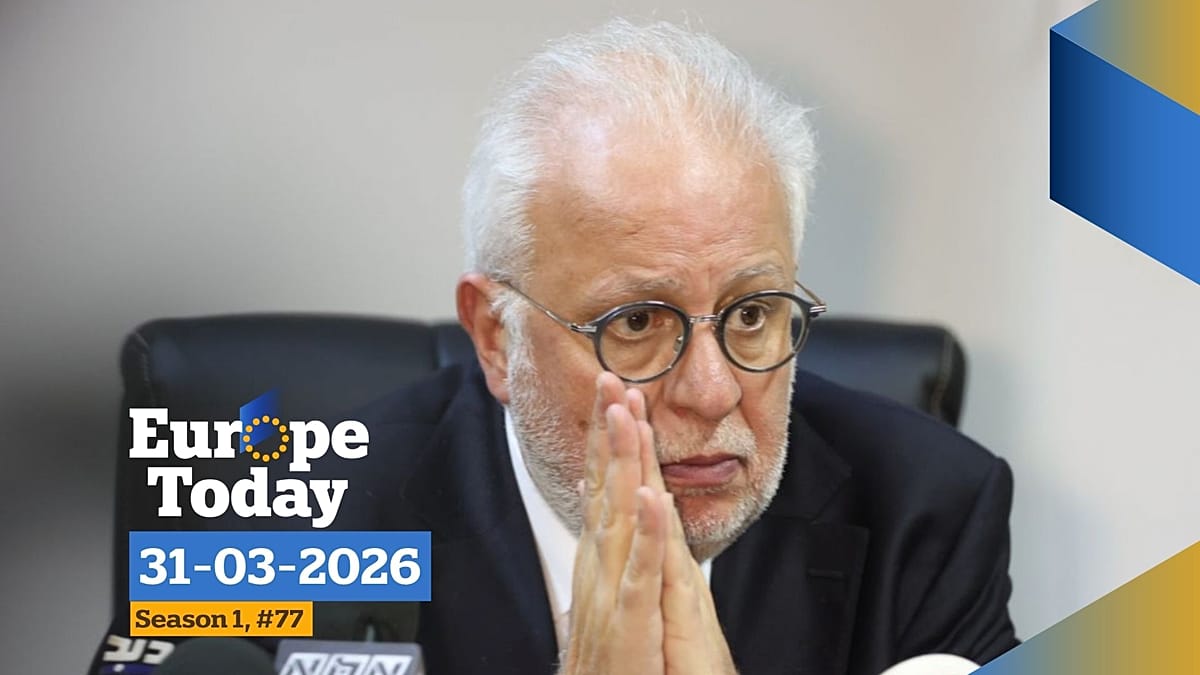
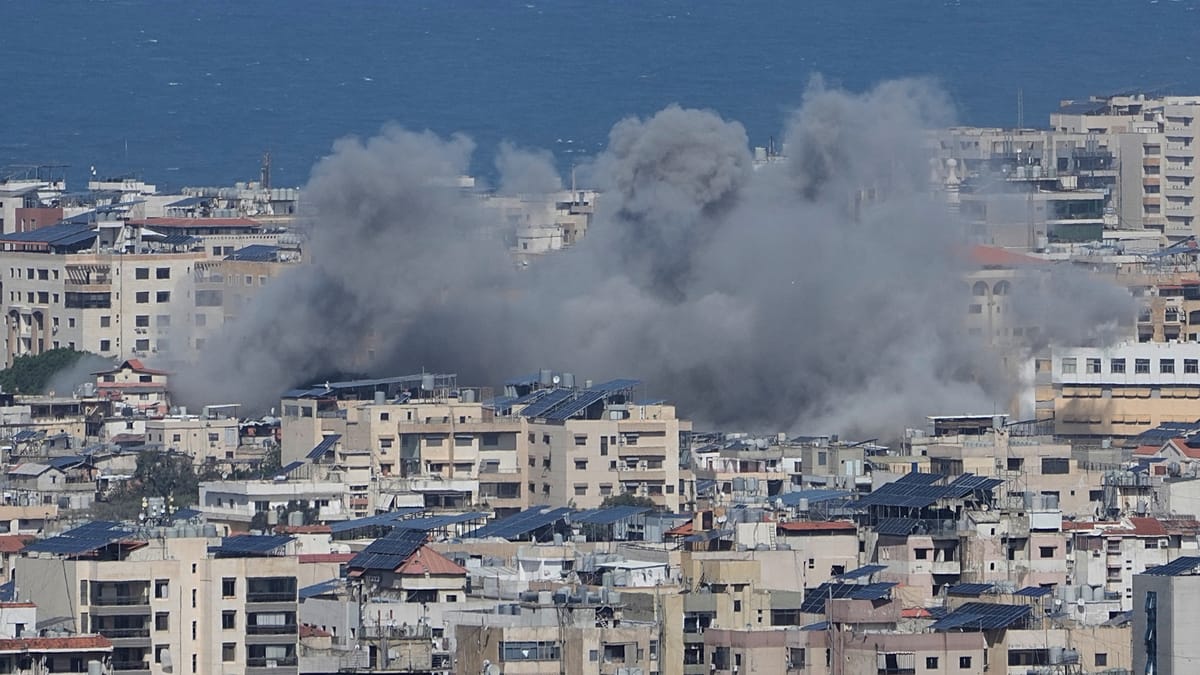
Speaking to Europe Today on Monday, Lebanon’s Minister of Justice Adel Nassar called for a return to diplomacy and described the “dramatic situation” facing his country as Israel expands its ground incursion into the south as part of its war against the Iran-backed militia Hezbollah — something Minister Nassar called an “occupation”.
Since the start of the war on Iran in late February, roughly one in five people in Lebanon have been displaced, in what the UN is describing as a crisis of “staggering” speed and scale.
Nassar added that with Hezbollah maintaining its infrastructure within Lebanon against his government’s will and with Tehran’s support, his country is caught in a difficult predicament.
“Our position is very difficult because on one hand there are the Israeli attacks, and on the other hand there is Hezbollah undermining the state,” he explained. “So on both sides, we have to deploy all the efforts and to take irrevocable decisions in order to save Lebanon.” Watch.
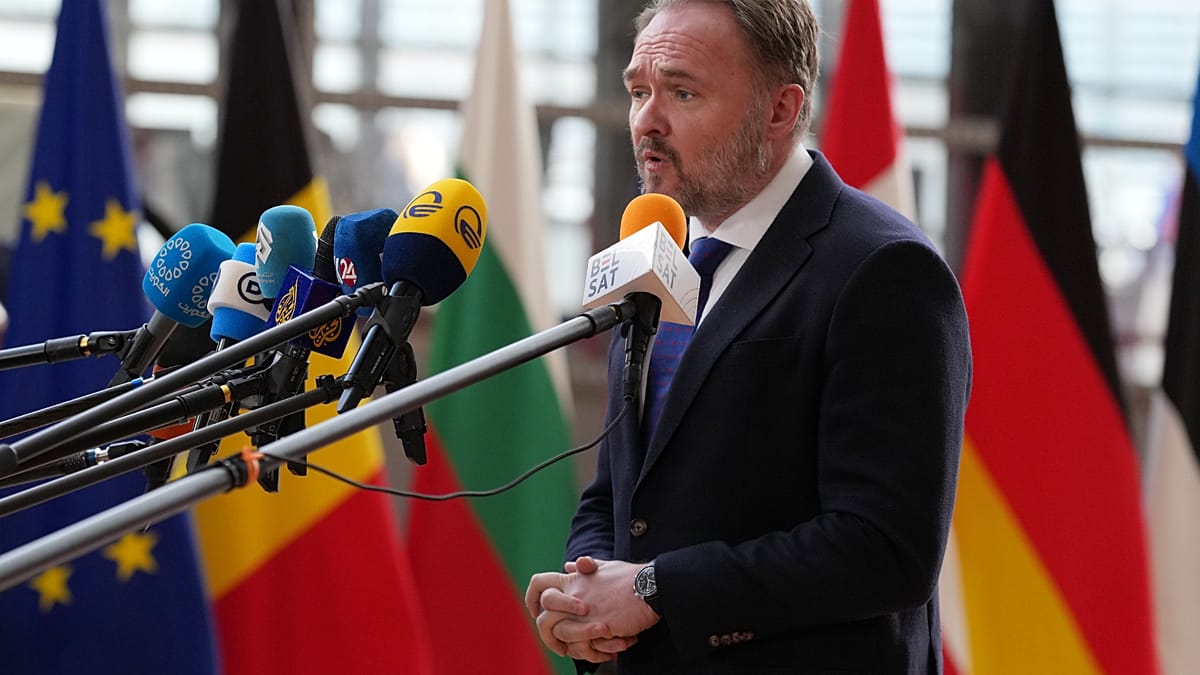
Brussels floats cutting travel to ease fuel pressure: According to a letter seen by Euronews’ Marta Pacheco and dated March 30, the EU’s energy chief Dan Jørgensen has told EU capitals to “make timely preparations” in anticipation of a “potentially prolonged disruption” to energy supplies as the war on Iran drags on.
While oil supplies appear manageable for now, the letter reads, concerns are mounting over diesel and jet fuel, where Europe remains more reliant on imports from the Gulf region.
“Considering the current situation, member states are invited to consider the promotion of demand saving measures, in accordance with their contingency plans, with particular attention to the transport sector,” Jørgensen’s letter reads.
It comes ahead of an online meeting of EU energy ministers later today to review energy security and supply as the bloc scrambles to contain an oil crisis that, according to the chief of the International Energy Agency Fatih Birol, is reminiscent of the 1970s.
G7 energy and finance ministers said on Monday that they are “closely monitoring” how the war in Iran is affecting energy overall economic stability and are prepared to take “any necessary measures” to ensure the security and stability of energy markets, but failed to take any concrete measures such as the release of more oil reserves.
Europe raises concerns over Israeli death penalty bill: Meanwhile, the EU’s foreign policy chief Kaja Kallas is expected to issue a statement on behalf of the EU later today condemning and Israeli bill set to re-introduce the use of the death penalty.
According to a draft statement seen exclusively by our correspondent Shona Murray, the statement is expected to denounce the “de facto discriminatory character” of the bill and remind Israel of its obligations under its sweeping trade and cooperation pact with the bloc, the EU-Israel Association Agreement.
The new law, which passed its final reading on Monday, would make death by hanging the default sentence for Palestinians convicted of lethal attacks. Israelis would only be placed on the death row if convicted of murder in an attack aimed at “ending Israel’s existence”. The death penalty has been de facto suspended by Israel since the 1960s.
On Monday, Germany, France, Italy, the Netherlands and the UK expressed “deep concern” over the bill in a joint statement, and urged the Netanyahu-led government to abandon the plans.
EU ministers head to Kyiv to mark grim anniversary of Bucha massacre
EU foreign ministers gather in Kyiv today for an informal summit honouring the victims of the Bucha massacre, Jorge Liboreiro writes in to report.
Four years ago, more than 400 Ukrainians were murdered by Russian troops on the outskirts of Kyiv. Images of bodies lined up on the streets, wrists tied, shocked the world. Today’s talks will therefore focus on the prosecution of war crimes, something Ukraine and its European allies consider fundamental to achieving a just and lasting peace.
But the meeting comes at a precarious time for the 27-member bloc. Hungary’s veto on a €90 billion loan for Ukraine, over disruptions to oil flow via the Druzhba pipeline, has paralysed a lifesaving source of aid. A new package of sanctions against Russia is also on hold. And the war in the Middle East is diverting political attention and exhausting global stocks of vital air defence systems.
In Brussels, the European Commission is still waiting for the Ukrainian government to allow a team of experts to visit the damaged site of the Druzhba pipeline – a step considered key to break the deadlock on the €90 billion loan. EU officials are frustrated with the lack of progress and privately say Kyiv risks playing into the hands of Hungarian Prime Minister Viktor Orbán, who has centred his explosive re-election campaign on his opposition to Ukraine.
With opinion polls showing him trailing by double digits, Orbán has little to no incentive to give up on the veto before Hungarians go to the polls on 12 April.
Beyond that, the EU is once again fretting about the White House’s demands at the negotiating table. Last week, Ukraine’s President Volodymyr Zelenskyy claimed Washington had made security guarantees conditional on Ukraine surrendering the Donbas to Russia – something US Secretary of State Marco Rubio has dismissed as “a lie”.
The tensions have put Europeans on high alert, with High Representative Kaja Kallas warning that “this is the trap that we should not walk into”. European leaders’ recent efforts to sway the Trump administration to increase support for Ukraine and pressure on Russia have paid only half-baked dividends – and the White House’s decision to ease sanctions on Moscow to steady markets amid the Iran war is deepening unease across European capitals.
Germany and Syria ‘working jointly’ on refugee returns, Chancellor Friedrich Merz says
German Chancellor Friedrich Merz said on Monday that he and Syrian President Ahmed al-Sharaa want 80% of Syrians in Germany to return to their homeland, as the former Islamist rebel leader visited Berlin.
Europe’s top economy is home to the largest Syrian diaspora in the European Union at more than a million, many of whom arrived during the peak of the migrant influx in 2015-2016.
After meeting al-Sharaa in Berlin, Merz said the two leaders were “working jointly towards more Syrians being able to return.”
The German chancellor, who has made a tougher immigration policy a priority since taking office last year, said he and al-Sharaa had agreed that eight out of 10 Syrians in Germany should go back “over the next three years.” On his first trip to Germany since ousting his country’s longtime strongman Bashar al-Assad in late 2024, al-Sharaa also pledged to work with Germany to enable more Syrians to return.
Laura Fleischmann and Gavin Blackburn have the story.
More from our newsrooms
‘Every housewife could be CEO of Rheinmetall’: Zelenskyy hits back at German weapons boss. German defence company Rheinmetall issued a public statement expressing respect for Ukraine’s defence manufacturers after its CEO mocked Ukrainian weapons and drone producers over the weekend in sexist remarks, Sasha Vakulina reports.
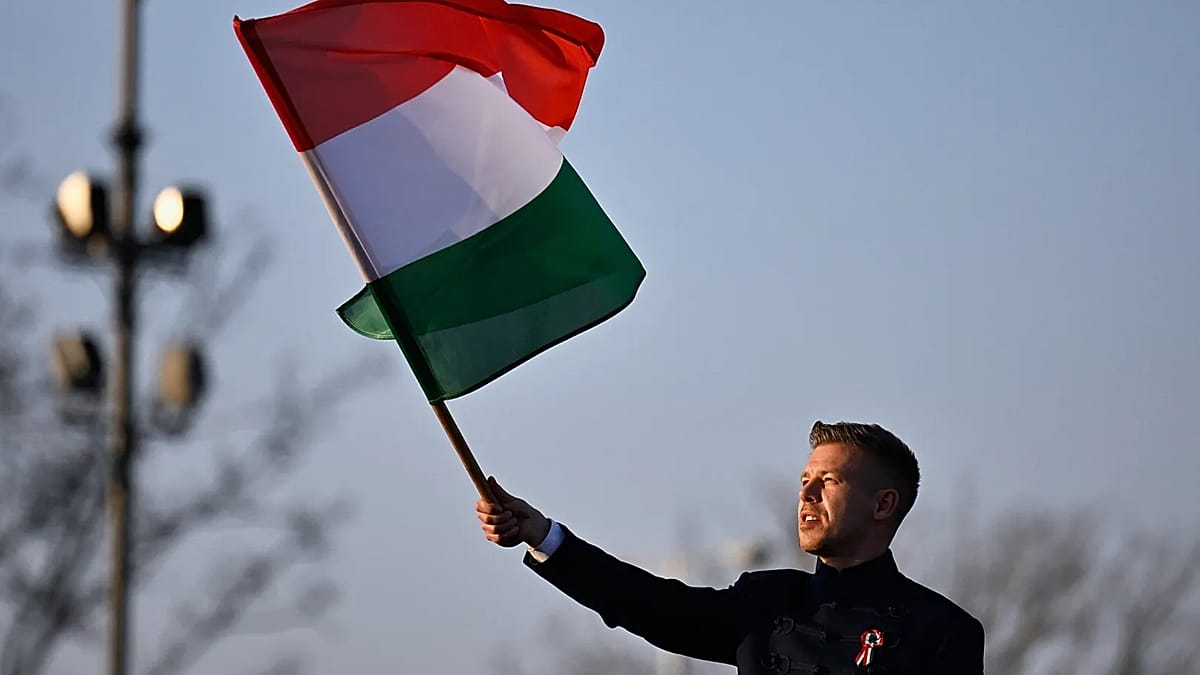
Hungary’s upcoming election and the effects of the generation gap. Most independent polls show that more than 60% of voters under 30 support Péter Magyar’s Tisza party while only 15% back Viktor Orbán’s ruling Fidesz in April elections. Gábor Tanács and Tamás Fencsikhave more.
US tourism is experiencing a ‘Trump slump’. Will the FIFA World Cup reverse the trend? While the rest of the world saw an average 4% rise in international tourism in 2025, the US experienced a dismal 5.4% decline during the year. Could the FIFA World Cup in June and July change that? Rebecca Ann Hughes takes a look.
We’re also keeping an eye on
- EU energy ministers hold online talks on consequences of Iran war
- EU foreign ministers gather in Kyiv
That’s it for today. Marta Pacheco, Jorge Liboreiro and Shona Murray contributed to this newsletter. Remember to sign up to receive Europe Today in your inbox every weekday morning at 08.30.
Read the full article here