

Hello from Brussels. I’m Mared Gwyn with your Friday newsletter.
ADVERTISEMENT

ADVERTISEMENT
US President Donald Trump has extended his deadline for Iran to re-open the Strait of Hormuz to international commercial vessels by ten days until April 6, as he claims talks with Tehran over a settlement are going “very well”. It comes after stocks slid on Thursday as Iran continued to insist there are no negotiations taking place.
Meanwhile, concern is mounting over the situation in Lebanon as Israel expands its ground invasion into the country’s south. Speaking to Europe Today earlier this morning, Lebanon’s Minister of Culture Ghassan Salamé said: “I used to say it’s a creeping action from the Israeli military. I now say, it’s an invasion.” Watch.
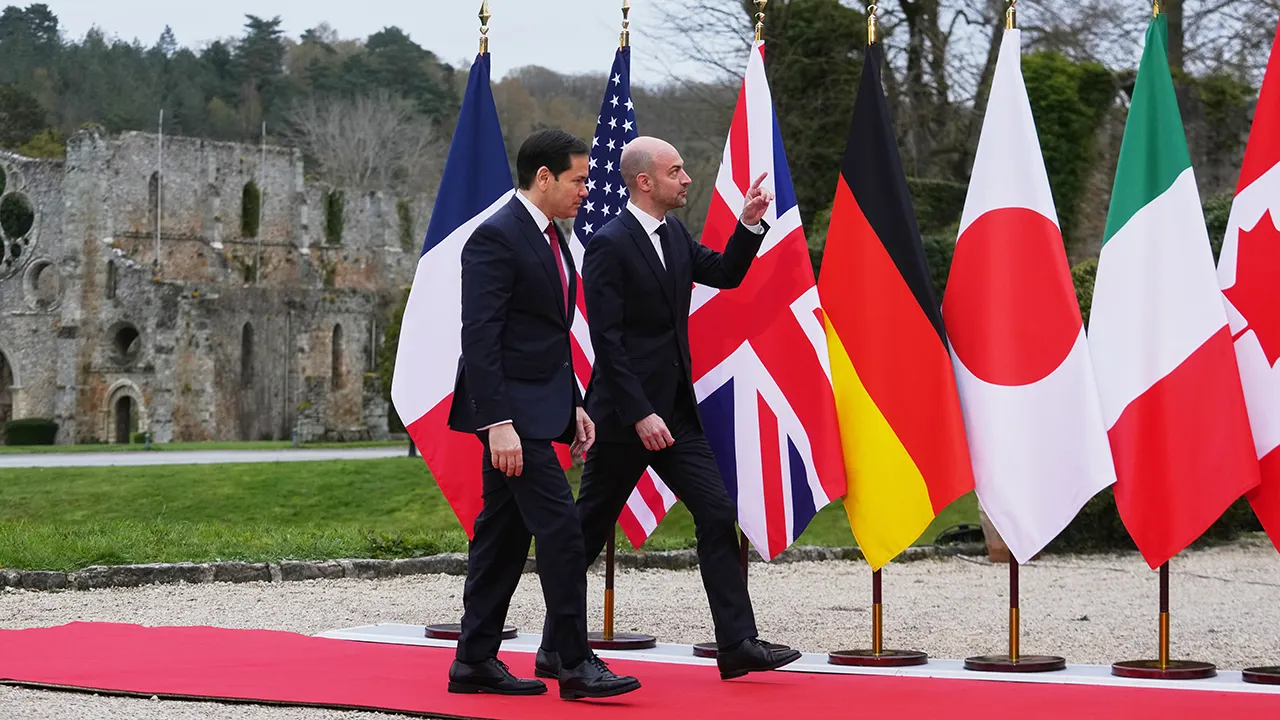
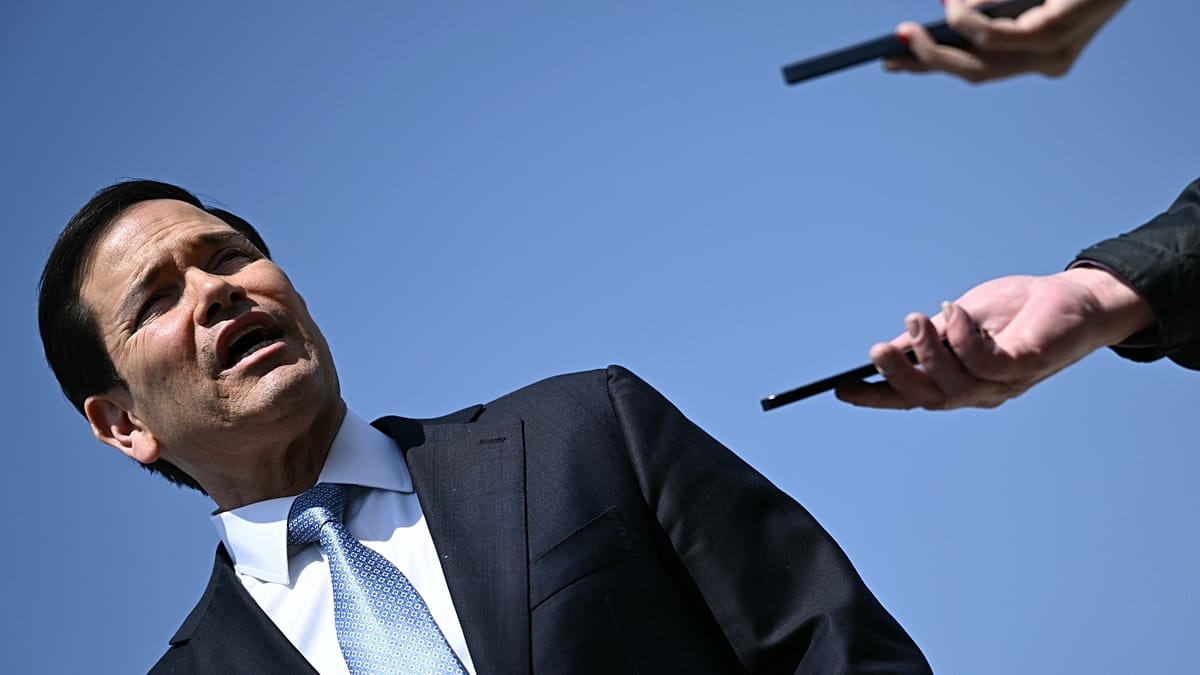
Later today, Secretary of State Marco Rubio will join the second day of talks between G7 foreign ministers in France (after skipping the first day on Thursday) as the transatlantic rift over the war in Iran deepens.
Speaking before travelling to France on Thursday, Rubio made clear the US administration’s increasing frustration with European allies’ refusal to aid the US-Israeli offensive and heed calls to help re-open the Strait of Hormuz.
“I think it was a couple of the leaders in Europe who said that this was not Europe’s war,” Rubio said, referring to statements made by the likes of the German, Finnish and Spanish leaders.
“Well, Ukraine is not America’s war, and yet we’ve contributed more to that fight than any other country in the world,” Rubio continued. “So, it’ll be something to examine that the President will have to take into account down the road.”
It comes amid reports that the Pentagon could redirect military aid destined for Ukraine to the Middle East, as my colleague Sasha Vakulina reports.
US-made weapons funded by European allies under NATO’s Prioritised Ukraine Requirements List (PURL) programme could be under consideration, according to the Washington Post. Asked about the prospect on Thursday, NATO Secretary Mark Rutte dodged the question.
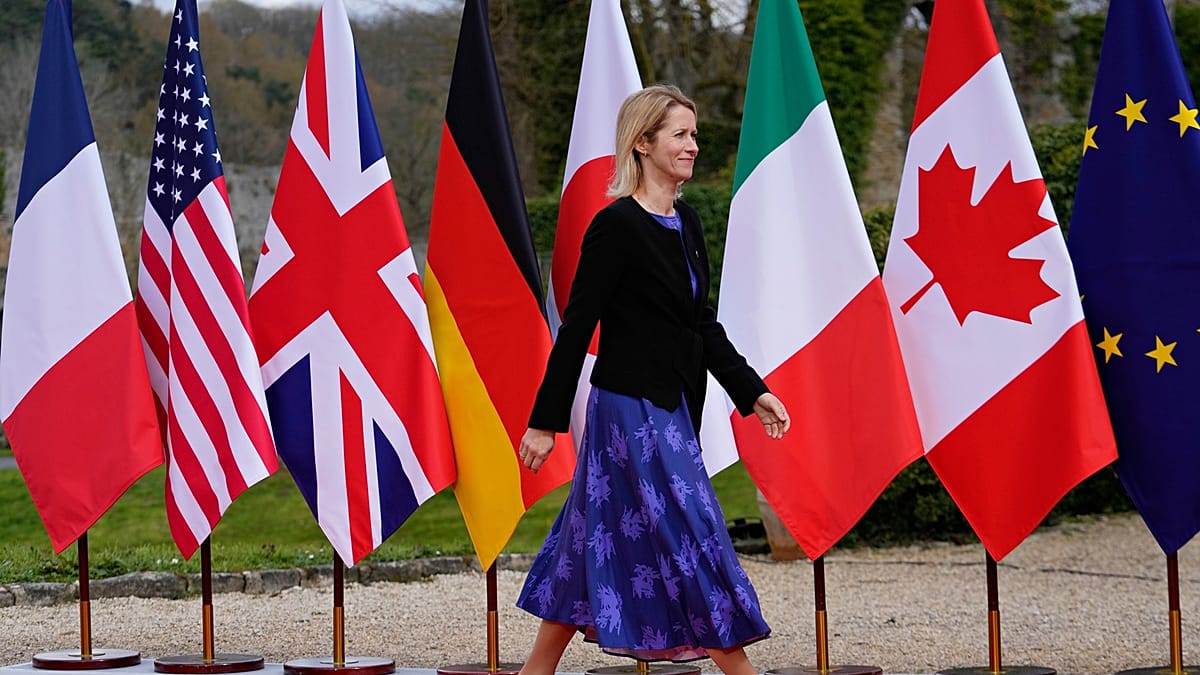
The reports are deeply troubling for European leaders who have been treading carefully since Trump’s election last year to avoid a complete US retreat from Ukraine. The EU’s foreign policy chief Kaja Kallas also expressed concern yesterday that the Kremlin could benefit from rising oil prices due to the conflict in the Middle East, after the US temporarily eased sanctions on Russian crude to cushion the blow on energy markets.
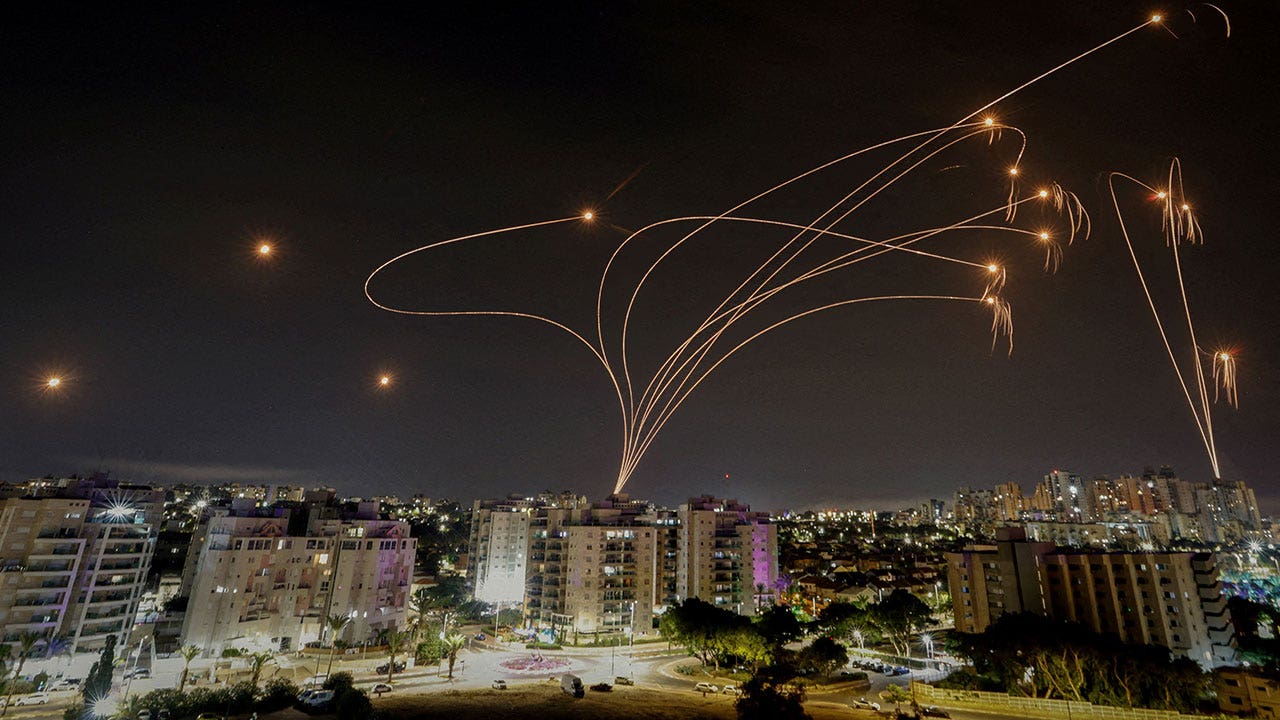
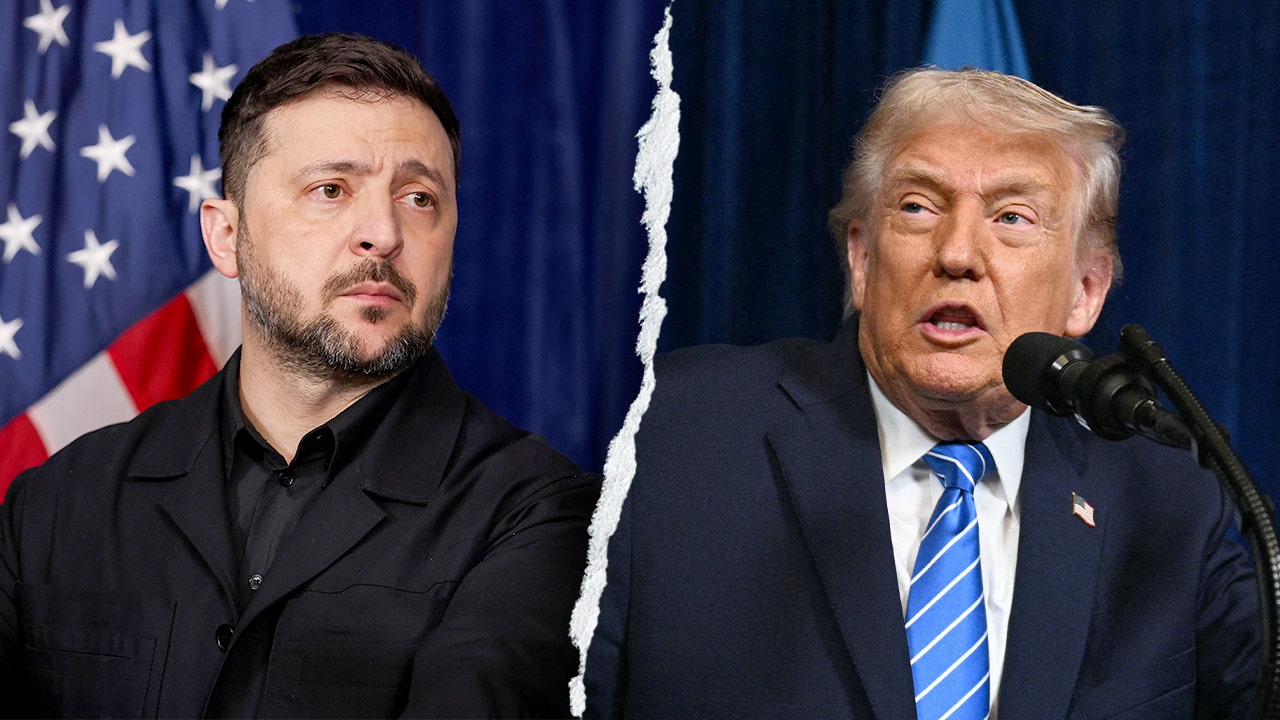
Meanwhile, Ukrainian President Volodymyr Zelenskyy is in Saudi Arabia today, where he’s expected to sign a pact on security cooperation, including air defences, according to Agence France Presse (AFP). Kyiv has already offered its hard-earned experience in intercepting drones to the Gulf countries as they come under attack from Iran, and has previously floated swapping its interceptors for Saudi Arabia and other Gulf nations’ more expensive air defense missiles.
It comes after Zelenskyy suggested earlier this week that the Gulf nations were emerging as a key ally amid increasing uncertainty over Western aid to Ukraine.
In a separate development, a spokesperson for South African President Cyril Ramaphosa claimed on Thursday that France had rescinded Pretoria’s invitation to a G7 leaders’ summit in the French town of Evian June due to pressure from the US.
While South Africa is not a member of the G7, its leader has often been invited to previous iterations of the group’s highest summit. The relationship between Washington and Pretoria has become increasingly strained under Trump, with the US President publicly denouncing what he claims are South Africa’s unfair racial policies.
But Pretoria has since backtracked on its initial claims, with President Ramaphosa saying that according to “his information” there had been “no pressure from any country”. French Foreign Minister Jean-Noël Barrot has also rebuked the claims, saying that his country had not been unduly influenced.
EU-US trade deal clears major hurdle as Brussels dismisses Merz’s proposed China pact
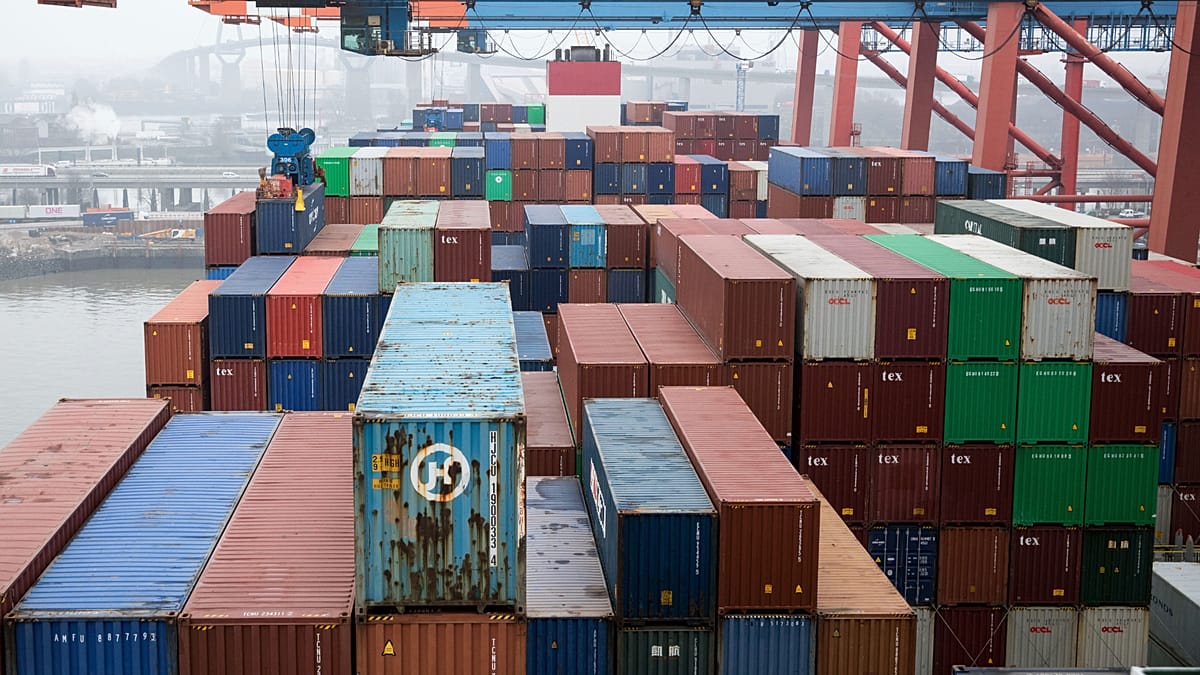
The European Parliament on Tuesday cleared the way for the implementation of the embattled EU-US trade agreement, struck last summer on Trump’s Scottish gold course but held back amid turbulence in the transatlantic relationship in recent months.
Our trade reporter Peggy Corlin reports that the safeguards attached by EU lawmakers must still be approved by member states before tariffs on US goods can be reduced to zero, meaning there are still stumbling blocks on the road ahead.
The safeguards are intended to shield the EU in the event of future threats or violations of the agreement from the US. Trump’s threats over Greenland and fresh trade investigations by Washington have in recent months undermined EU trust.
The European Parliament will now work with EU member states to find a common position, with the safeguards expected to be the main point of contention. The first trilogue meeting is scheduled on 13 April.
Meanwhile, Brussels has dismissed German Chancellor Friedrich Merz’s suggestion to pursue a trade deal between the European Union and China, calling instead on Beijing to “meaningfully” address its distortive economic practices, my colleague Jorge Liboreiro writes in.
Context: Merz unexpectedly floated the idea on Wednesday during a Q&A session at the Bundestag, the lower house of the German parliament. The suggestion was framed as a future possibility, rather than an immediate project.
A Commission spokesperson said on Thursday that it was seeking the “strongest and most mutually beneficial possible” trade relationship with China, but that Beijing must “meaningfully address” the raft of concerns it has raised before both sides “can even talk about any future agreements or anything like that.”
The EU is struggling to contain a ballooning trade deficit with China, a situation Brussels says is driven by Beijing’s industrial overcapacity, extensive subsidies, and the way it closes off its market to European companies.
Jorge has the details.
European Parliament approves controversial bill on migrant deportation
The European Parliament has approved a law aimed at speeding up the return of irregular migrants by building deportation centres outside the EU, alongside stricter rules which reflect a shift in political priorities as Europe pivots to the right.
The bill enables EU countries to strike deals with third countries to build so-called “return hubs” on their territory. It also increases the period of legal detention to up to two years and imposes practically unlimited entry bans on migrants who have been returned.
It’s seen as the cornerstone of a fresh European push to crack down on irregular migration, my colleague Vincenzo Genovese reports.
The final version of the law will now be discussed between the Parliament and EU member states, a process expected to be smooth.
The Parliament’s text included a provision allowing talks with “non-recognised third country entities” for the purposes of readmission, which could result in cooperation with non-democratic regimes to return people.
“The adopted text gives a green light to the cooperation with the Talibans to enable the forced return of Afghan nationals. It is a total renouncement of the EU values,” Green MEP Melissa Camara told Vincenzo.
Read the full story.
More from our newsrooms
European Parliament refuses to prolong voluntary child sexual abuse detection measures for online platforms. The European Parliament rejected a Commission proposal to prolong interim rules allowing tech platforms to voluntarily detect child sexual abuse online, our parliament correspondent Vincenzo Genovese reports. The vote split the centrist majority, with the Socialists and Democrats (S&D) and Renew Europe in favour of rejection and the European People’s Party supporting the extension of the current rules. Opponents of the extension said the rules give tech giants unhindered power to scan users’ messages, infringing on privacy.
Spain’s parliament approves €5 billion package to curb impact of war in Iran. Spain’s parliament approved a sweeping package worth €5 billion euros on Thursday aimed at curbing the economic impact of the Iran war, including steep cuts to energy taxes. Javier Iniguez De Onzono and Gavin Blackburn havethe details.
German soldier suspended after allegedly leaking defence purchase plans. An officer in Germany’s army, the Bundeswehr, has been suspended after allegedly passing on the plans of more than 150 defence purchases to a lobbyist, Franziska Müllerreports.
US judge weighs whether Venezuela can pay Maduro’s legal costs in drug trafficking case. US sanctions prevent the Venezuelan government from footing the bill and Maduro and his wife say they do not have sufficient personal funds to cover it themselves. Gavin Blackburn hasthe story.
That’s it for today. Peggy Corlin, Sasha Vakulina, Jorge Liboreiro, Vincenzo Genovese and Shona Murray
We’ll be back on Monday. Remember to sign up to receive Europe Today in your inbox every weekday morning at 08.30.
Read the full article here