


Published on •Updated
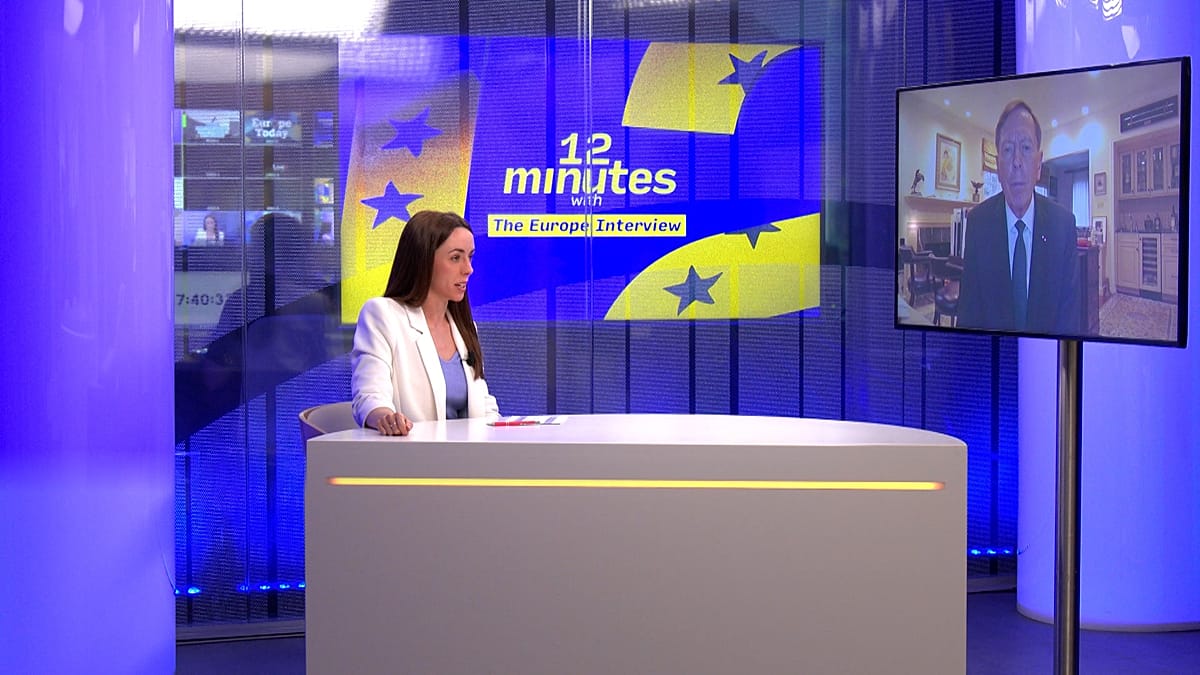
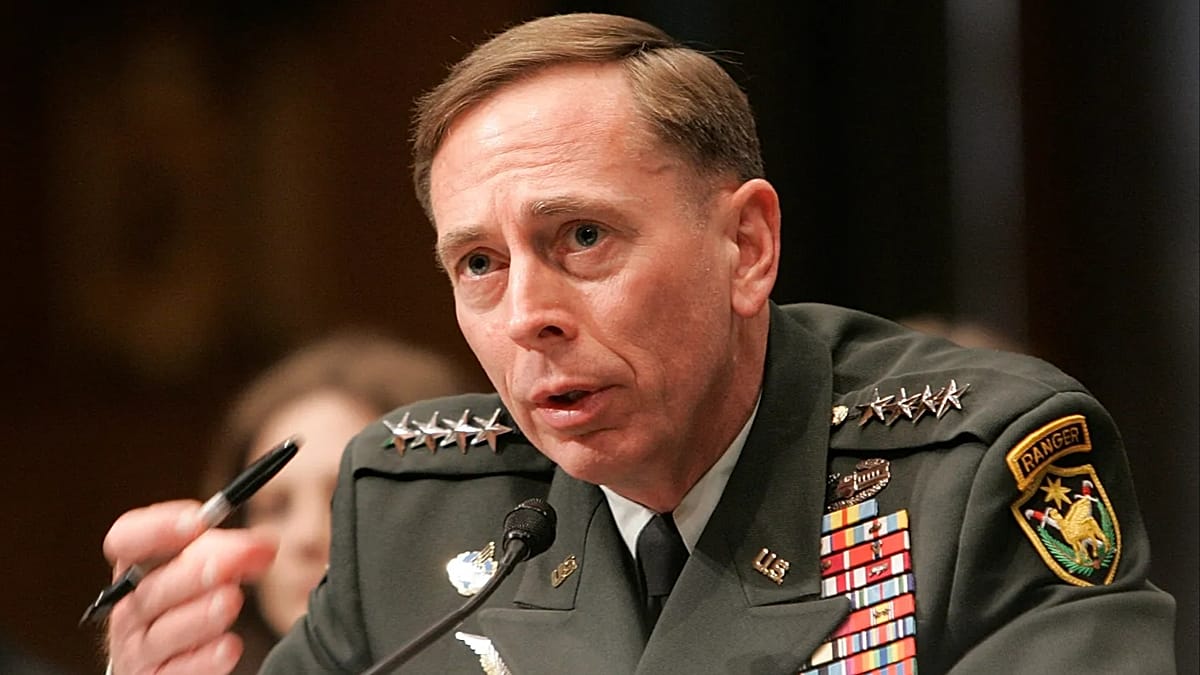
European participation in the US-Israel military operation against Iran is “certainly a possibility”, former CIA Director and US General David Petraeus told Euronews.
ADVERTISEMENT

ADVERTISEMENT
Speaking on Euronews’ flagship morning programme Europe Today on Tuesday, Petraeus said European involvement, particularly in a defensive capacity, “would have been wise from the beginning”, though he stressed that no assumption had initially been made that European countries would join the operation.
“My understanding is that it has been discussed,” he said, referring to the possibility of European nations taking part in a more offensive capacity.
“I don’t know that I’d predict what the outcome would be, but the fact that it’s being discussed indicates that it is certainly a possibility.” Petraeus said.
The US general suggested that European countries could play a meaningful role in strengthening air and missile defences, particularly as Iranian retaliation has extended beyond Israel and US military bases in the Middle East.
“Iran is not going to limit its targets to just US bases and Israel,” he said, pointing to strikes on civilian infrastructure, airfields and ports in neighbouring Gulf states, and even reaching as far as UK bases in Cyprus.
‘No boots on the ground’
Despite concerns that the conflict could spiral into a prolonged war, Petraeus ruled out the possibility of US ground forces being deployed in Iran.
“I think the President and the Secretary (of Defence Pete Hegseth) have been very clear that we’re not going to put boots on the ground,” he said, adding that Iran’s ability to retaliate is likely to reduce as missile stockpiles, launchers and drone capabilities degrade.
He cautioned, however, that additional US casualties remain a real possibility, as well as among host nations and allied forces.
Petraeus also pointed to a possible though uncertain political evolution inside Iran. Asked whether he saw a situation akin to that which unfolded in Venezuela, where the US overthrew Nicolas Maduro but kept his administration intact.
“I think it’s possible, it’s conceivable,” he added.
Citing analysts, he said the composition of Iran’s ruling elite may have shifted over time, with fewer hardline ideologues and more opportunistic figures within the system.
“The possibility is there that someone could emerge who might say, what this nuclear program and the arming of proxies has brought us is ruin,” Petraeus added, outlining a potential scenario in which a more pragmatic leadership could reconsider Tehran’s regional role.
He stressed that such a development is “by no means impossible” but also far from certain at this stage.
Iran’s Ayatollah Ali Khamenei was killed in an Israeli strike on Saturday, contingency protocols have already been put in place to designate his successor.
The Islamic Republic’s constitution provides for a tight, hyper-centralised system of governance in which a power vacuum is rapidly addressed.
Read the full article here