



Published on
Edi Rama has accused some of those taking part in anti-government protests in Albania as having crossed a “red line” as demonstrations continued across the country on Monday.
ADVERTISEMENT


ADVERTISEMENT
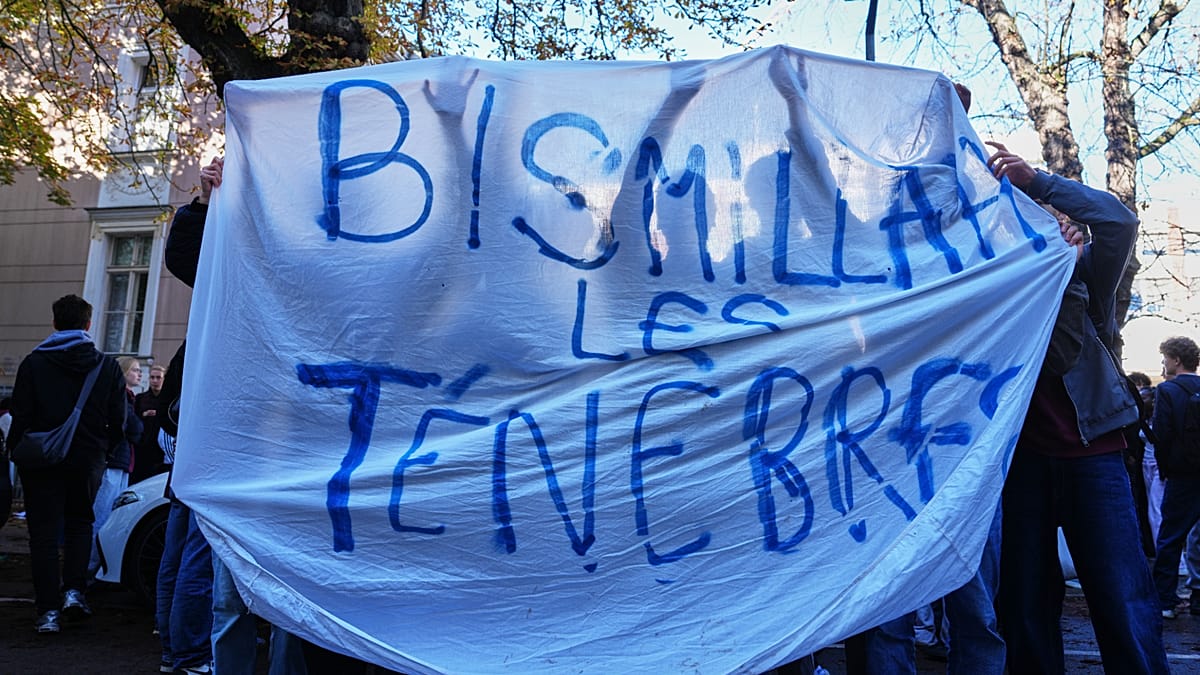
Anti-government “Flamingo” protests have been ongoing in Albania for months amid calls for Rama to resign as prime minister, but clashes ramped up early last week as a student movement calling for action over high tuition fees launched fresh demonstrations.
“Protests are a right, whereas violence is a crime, and this red line will be drawn firmly at this critical stage of our democratic development,” Rama wrote in a post on social media on Monday.
“The rioters must and will bear the legal and financial consequences of their blindness,” he continued, whilst also urging protesters to “distance themselves” from rioters.
“I and the governing majority are ready for dialogue with anyone except the rioters and political parties that do not distance themselves from violence,” Rama added.
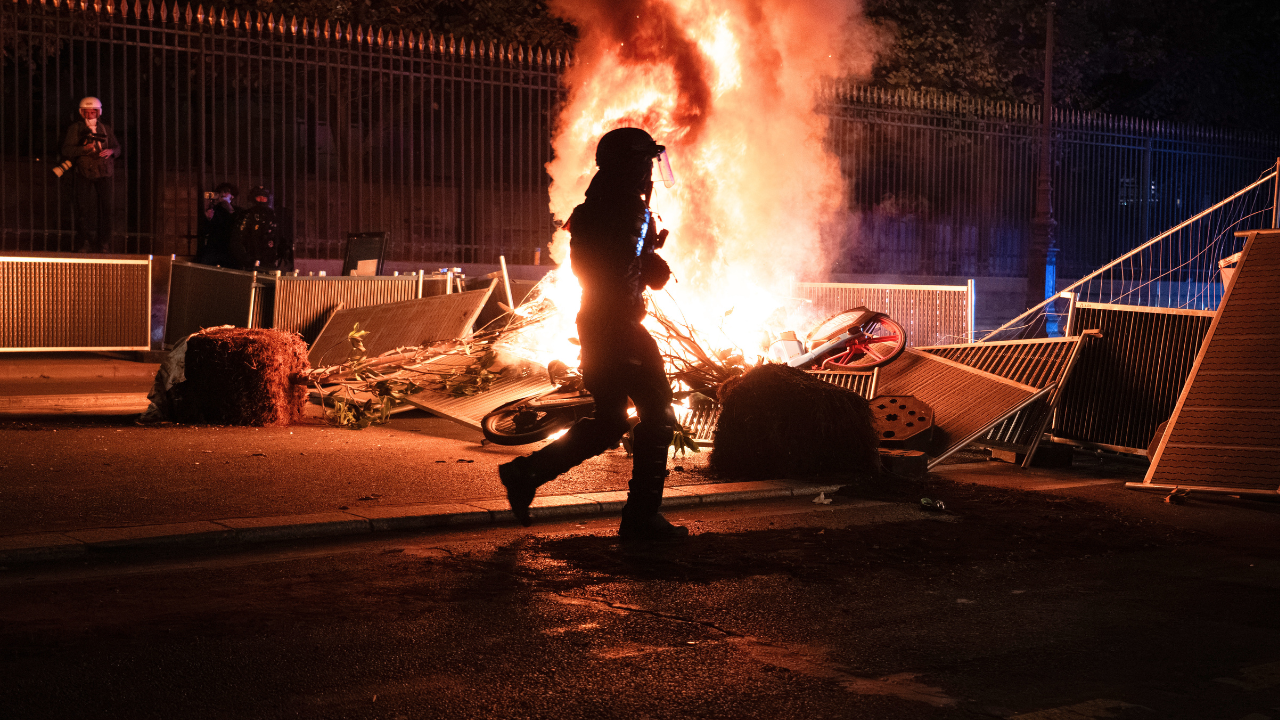
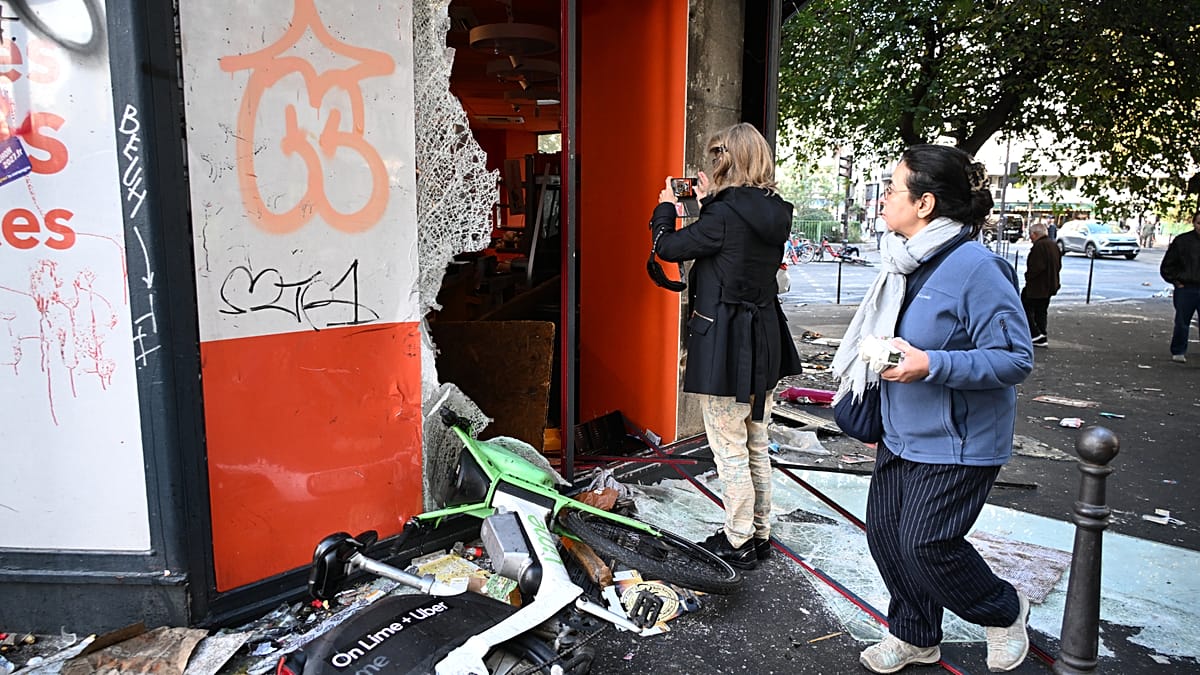
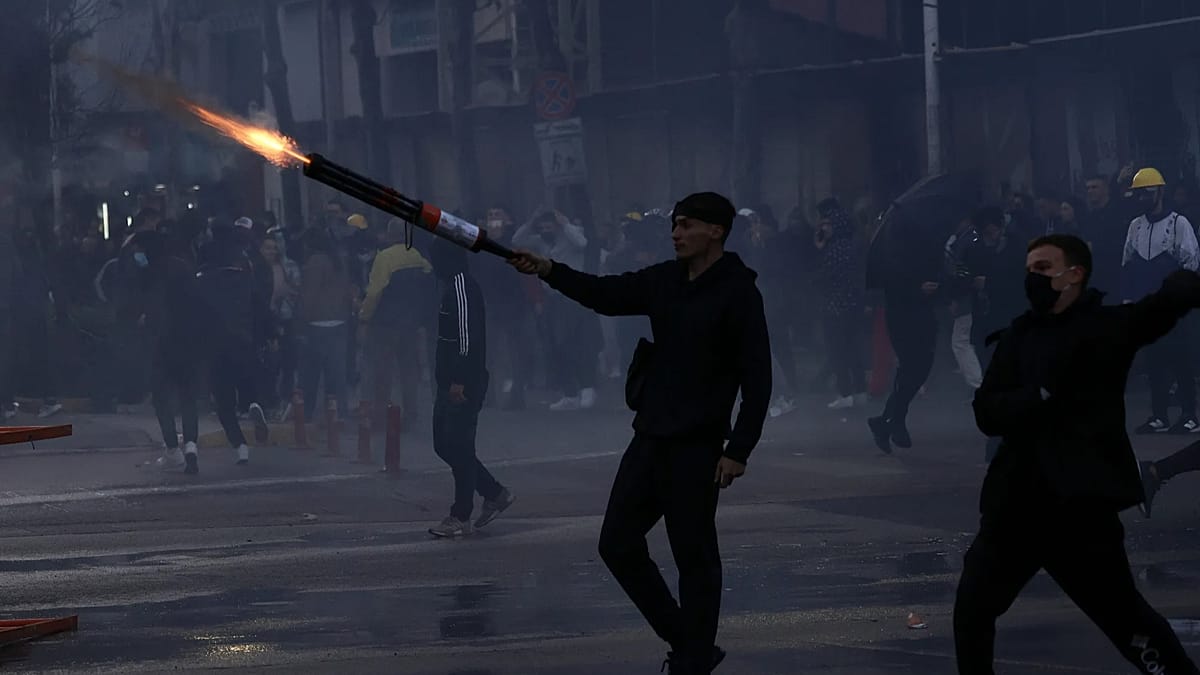
Violent clashes with police in recent days have seen protesters set buildings alight, hurl molotov cocktails, and shoot fireworks at officers, who have responded with rubber bullets, water cannons, and tear gas.
Hundreds of people, including police officers, have reportedly been injured in the violence.
“We will continue our movement until Rama resigns. We are not criminals, we want social peace and better living conditions in our country,” Leka Sina, a 22-year-old student, told the AFP news agency.
“Violence is not a solution, but the government also needs to reflect deeply to understand this revolt,” Sina added.
Rama has sought to pin the blame for the unrest on foreign influence.
The European Commission released a statement condemning the violence in Albania on Sunday, saying it had “no place in a democratic society” and that the response “must remain within the law and proportionate.”
“Freedom of assembly and expression are fundamental rights and core European values, to be respected and exercised peacefully,” the Commission said in its statement. “In a candidate country firmly committed to the EU accession process and making important progress on its EU path, grievances should be handled through constructive dialogue and in a peaceful manner.”
Read the full article here