

Published on •Updated
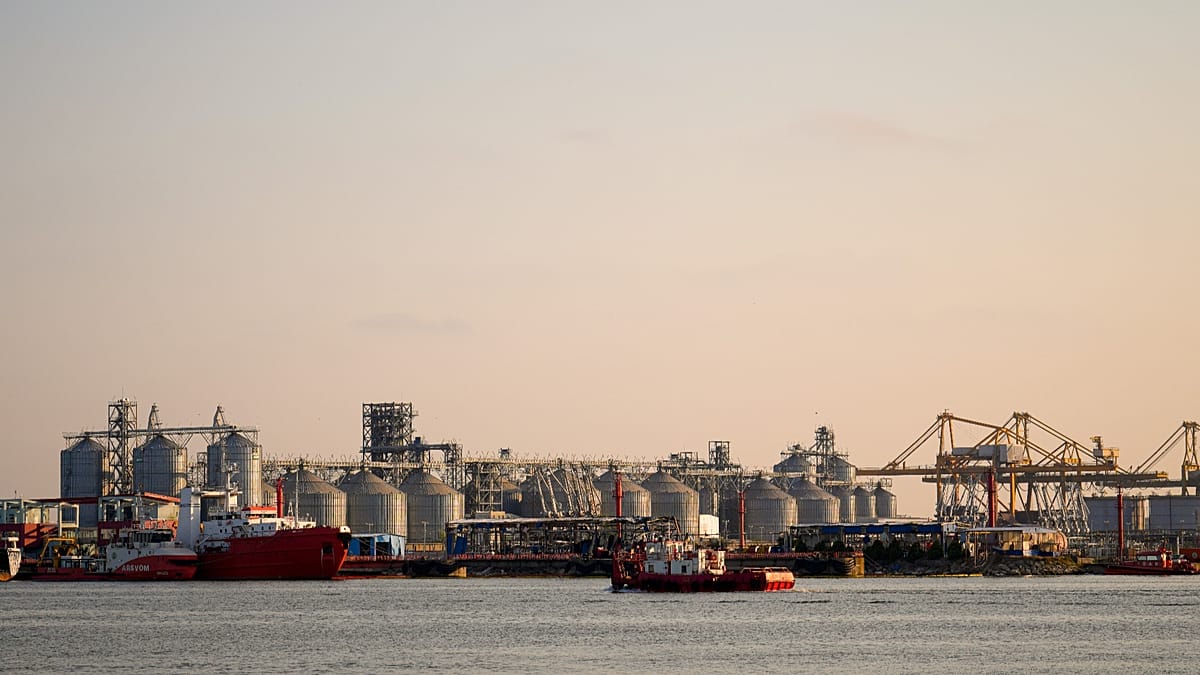
Bulgarian Prime Minister Rumen Radev stunned Brussels on Thursday morning by backing the controversial diesel supply deal agreed between US President Donald Trump and Russian President Vladimir Putin in defiance of Western sanctions.
ADVERTISEMENT

ADVERTISEMENT
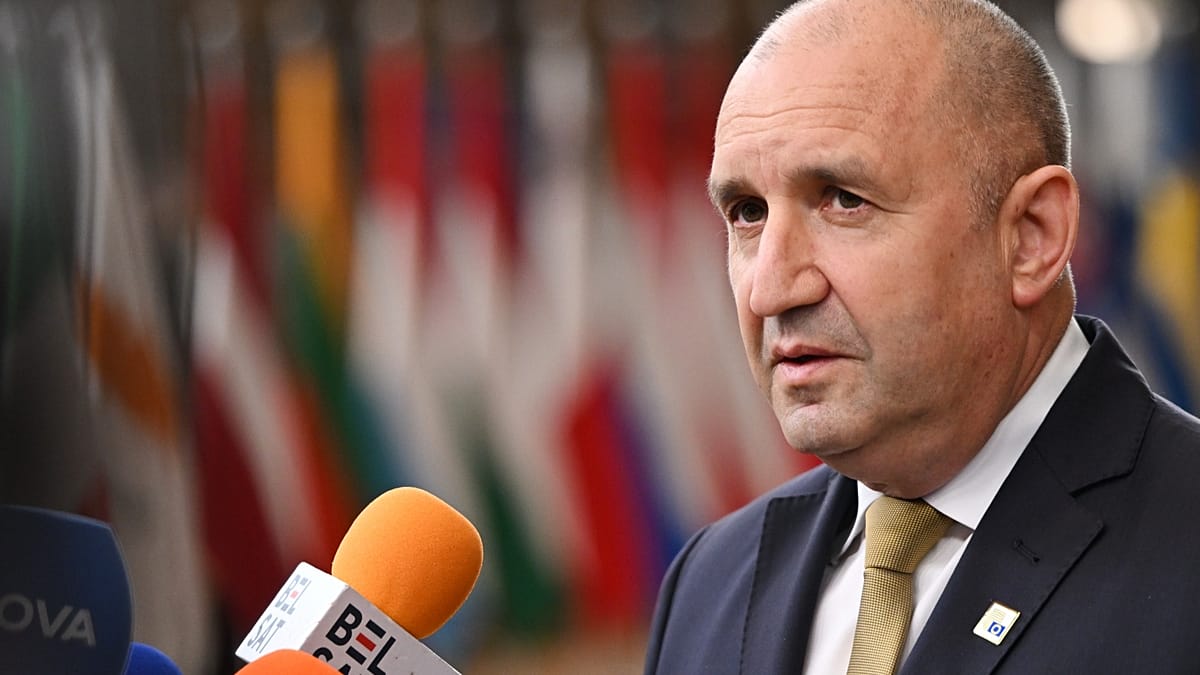
“You know what is our problem right now in Europe? High fuel prices,” Radev said in English as he arrived at a two-day summit of leaders.
“Any step in reducing fuel prices and to guarantee our competitiveness, we appreciate.”
His comments put him at odds with his fellow EU leaders, who have strongly condemned the deal as risky, dangerous and misguided. To make it happen, the US has eased sanctions on imports of Russian diesel until April 2027.
“We very much regret this agreement on diesel. It’s obviously not a very big part, but still it’s in the wrong direction,” Swedish Prime Minister Ulf Kristersson said. “Every step now to help the Russians to increase their financing of the war is a bad sign.”
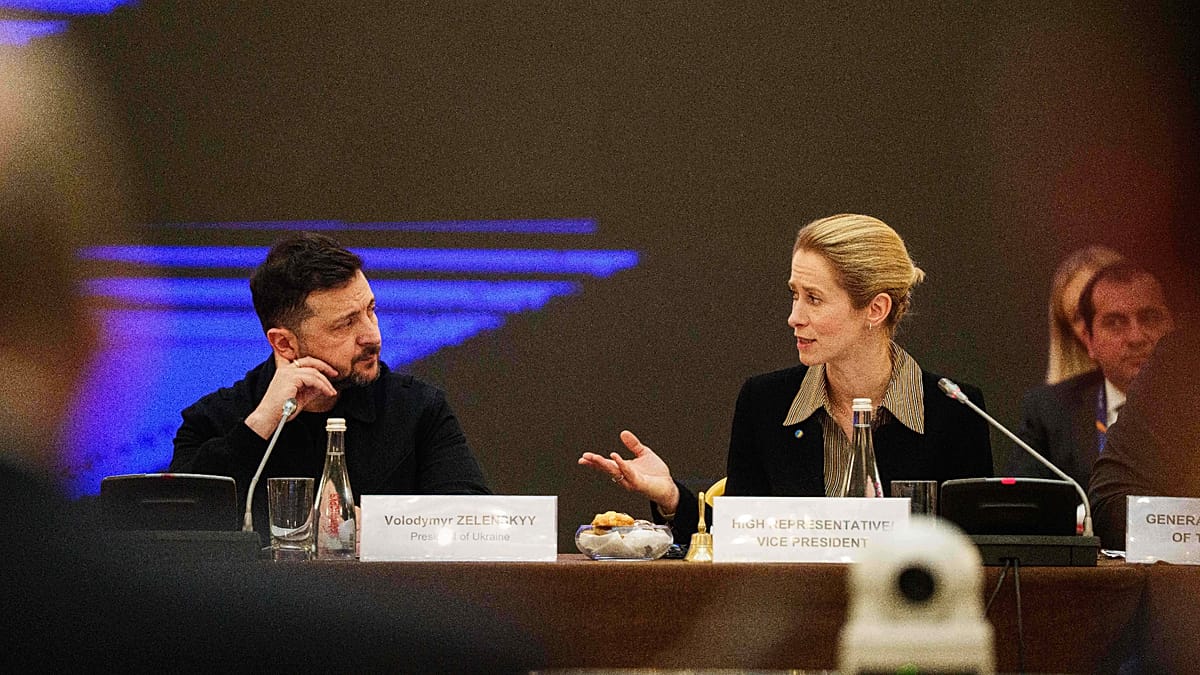
Earlier on Thursday, High Representative Kaja Kallas told Euronews that the diesel deal was a gift to Putin at a time when Russia is escalating its bombardment.
“The question is: what has he (Putin) given in return? What we see is that he’s actually increasing the attacks on civilians and civilian infrastructure. The ceasefire that was also announced is not really working on the Russian side,” Kallas said.
In another sign of his split from the EU consensus, Radev criticised Ukraine’s strikes against Russia’s oil refineries, which Trump has asked President Volodymyr Zelenskyy to halt immediately. Zelenskyy has since said his campaign will continue.
“I don’t support strikes on any refineries,” Radev said.
“I don’t support strikes on any energy power plants, like Russian attacks on energy power plants in Ukraine, because this hits us back. The prices in Europe are (skyrocketing).”
European leaders have largely rallied behind Zelenskyy, arguing the strikes on Russia’s oil refineries give Kyiv a powerful leverage over Moscow.
They see Trump’s request as a desperate attempt to lower fuel prices ahead of the midterm elections, where Republicans risk losing both chambers to Democrats.
Since his election victory early this year, Radev has positioned himself as a contrarian voice in the European debate over Russia’s full-scale invasion of Ukraine.
The prime minister recently told Euronews that the bloc’s strategy of “peace by force” had failed and urged his fellow leaders to engage in diplomacy with the Kremlin.
Read the full article here