

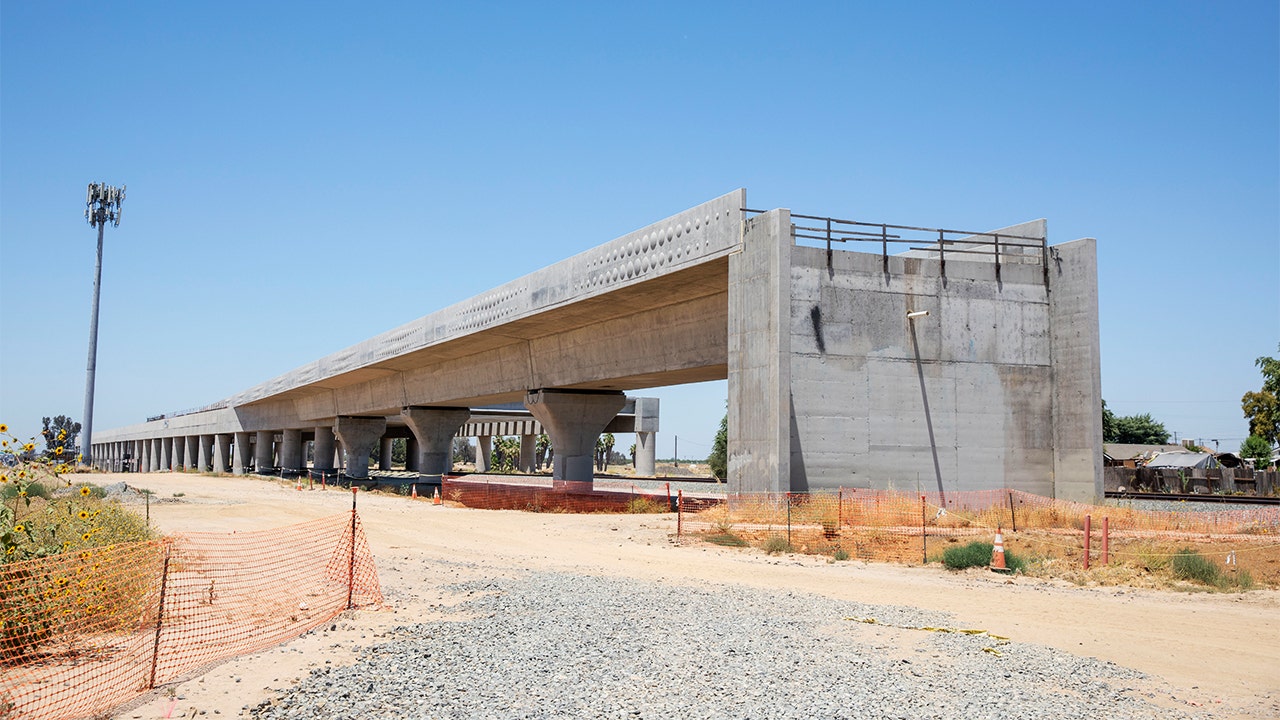
California High-Speed Rail Authority officials rubber-stamped hundreds of thousands of dollars in travel charges incurred by outside consultants, according to a new report from the state’s inspector general.
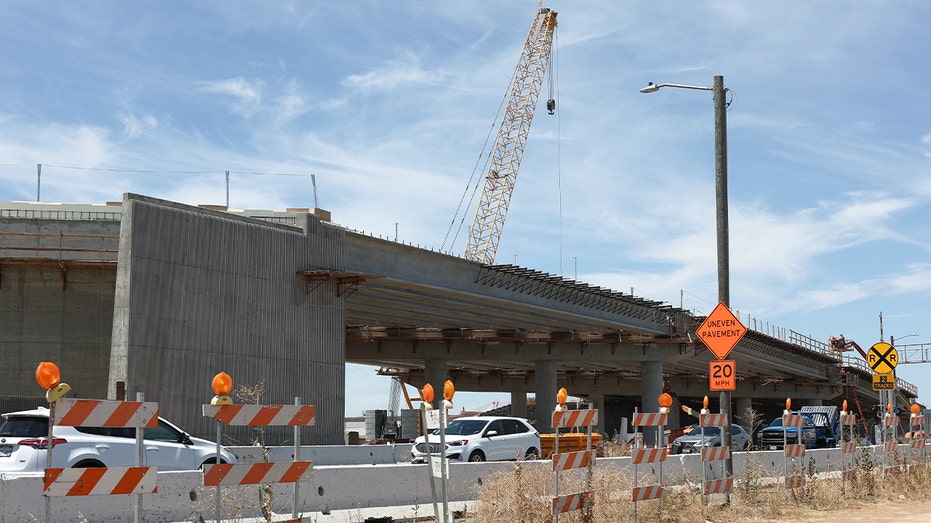
The lavish spending revelations come as the $126 billion project has become a national symbol of government waste. Sixteen years after voters approved the initiative, not a single mile of track has carried a commercial passenger, and a recent assessment warned the project’s funds could dry up entirely by the end of 2027.
The audit, released Tuesday by the California Office of the Inspector General (OIG), revealed that taxpayers footed the bill for private aircraft travel, tiki bar visits, cigar lounges, luxury rideshares and international trips over a two-year period.
“In total, the Authority paid more than $2 million in travel-related costs for consultants at the four consulting firms in fiscal years 2024-25 and 2025-26,” the OIG said.
The investigation reviewed travel reimbursements billed by four outside consulting firms over the two-year period. It found that roughly 60%, or $680,500, of the payments it reviewed had not received advanced authorization. Additionally, $543,400 in travel expense payments were found to be “not allowable.” In some instances, agency staff didn’t even know the trips had taken place until the invoices arrived, frequently approving them with vague justifications like a “typical M-F week.”
The audit uncovered a lack of oversight, noting the agency’s behavior is “inconsistent with the Authority’s role as the steward of public resources.”
TRUMP CALLS CANADA’S POTENTIAL EU ASSOCIATE MEMBERSHIP ‘LAUGHABLE,’ WARNS EUROPE OF ‘VERY HEAVY TARIFFS’
Instead of standard business travel, the audit flagged an array of unauthorized luxury expenditures billed to “questionable locations” without prior approval. Financial consulting giant KPMG LLP was specifically identified by the OIG as the firm that billed the authority for rides to a nightclub, a tiki bar and a Washington, D.C., cigar lounge. Taxpayers were also on the hook for an outing to an escape room, a trip to a Denver sushi restaurant and a 25-mile “Uber Comfort” ride to a steakhouse in Folsom, California.
KPMG declined to comment.
The audit of the reimbursements extended to daily routines and premium transit. The agency repeatedly reimbursed ride-hailing trips to Planet Fitness gyms in and around Sacramento, continuing the practice even after a supervisor explicitly put in writing that the state does not cover rideshares to gyms.
One consultant billed taxpayers $40 for a luxury “Uber Black” ride to travel less than a single mile in downtown Sacramento.
When it came to air travel, one consultant bypassed commercial airlines entirely, flying a private aircraft from Washington, D.C., to California. The consultant self-calculated that a “premium” commercial rate would have cost $4,182 each way, and the agency paid it without question.
The billing didn’t stop there. One legal consultant billed $40,800 in travel reimbursements, plus $86,500 just for “travel time,” making 30 trips between Denver and Sacramento in a single year. Furthermore, the agency paid out $118,000 in international travel expenses, despite the consultants’ contracts explicitly barring international trips.
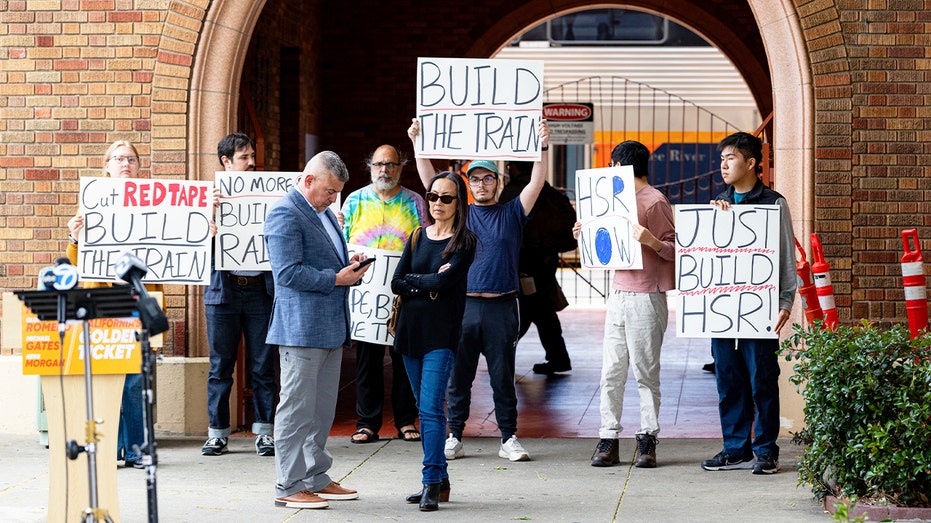
A spokesperson for the California High-Speed Rail Authority said the agency “takes these findings seriously” and has pledged to work collaboratively with the inspector general’s office to rectify the oversight failures.
FOX Business reached out to Nossaman LLP, the AECOM-Fluor Joint Venture and the SYSTRA/TYPSA Joint Venture for comment.
California voters first approved the bullet train initiative in 2008. They were promised a $33 billion state-of-the-art railway that would whisk passengers between Los Angeles and San Francisco by 2020. Following a reassessment this year, the total estimated cost of the project has ballooned to at least $126 billion — nearly quadruple the original price tag. The estimated completion date has also been pushed back decades, with optimistic projections now targeting 2039.
CLICK HERE TO GET FOX BUSINESS ON THE GO
“More than $600,000 in consultant travel expenses were flagged as questionable, while California families are struggling with the high cost of living and deserve answers and accountability,” the chair of the state Senate Transportation Committee, Tony Strickland, R-Huntington Beach, said in response to the findings. “Consultants should expect that when they make an executive decision to travel without authorization, that they’re taking on the expense themselves.”
Read the full article here