




This story about the June 2026 CPI inflation report will be updated with further details.
Inflation pulled back in June after surging in prior months due to the Iran war’s impact on energy prices throughout the economy.
The Bureau of Labor Statistics (BLS) said on Tuesday that the consumer price index (CPI) – a broad measure of how much everyday goods like gasoline, groceries and rent cost – declined 0.4% on a monthly basis in June and was up 3.5% from a year ago. The monthly decline was the largest since a 0.8% decrease in April 2020.
Expectations vs. reality
Those figures were cooler than the estimates of economists polled by LSEG, who predicted a decline of 0.1% on a monthly basis and a 3.8% increase from a year ago. They also represent a cooling trend from the 0.5% monthly increase and the 4.2% annual rise recorded in the May edition of the report.
So-called core prices, which exclude volatile measurements of gasoline and groceries to better assess price growth trends, were unchanged from a month ago and up 2.6% from last year. Both of those figures were lower than the estimates of economists polled by LSEG, who predicted a monthly increase of 0.2% and 2.8% from a year ago.
MORE AMERICANS RELYING ON CREDIT CARDS TO BUY GROCERIES, NEW STUDY FINDS
The cost of living breakdown
High inflation has created severe financial pressures in recent years for most U.S. households, which are forced to pay more for everyday necessities like food and rent. Price hikes are particularly difficult for lower-income Americans, because they tend to spend more of their already-stretched paychecks on necessities and have less flexibility to save.
Energy prices fell 5.7% on a monthly basis – the energy index’s largest monthly decline since April 2020 – and are up 15.7% from a year ago. BLS noted that the energy index was the largest contributor to the decline in headline inflation, more than offsetting increases in indexes for food and housing.
Gasoline prices fell 9.7% in June and are up 26.7% from a year ago. Electricity prices were down 1% on a monthly basis and are up 4% from a year ago. Utility gas service prices rose 0.5% in June and are up 3% from last year.
Food prices rose 0.2% in June and are up 3% in the past year. The food at home index is 2.7% higher than a year ago, while the food away from home index is up 3.4% in the last year and both rose 0.2% on a monthly basis in June.
The meats, poultry and fish index was 0.4% higher in June and has risen 5.7% over the past year. Beef and veal prices rose 1.2% on a monthly basis and are up 11.8% from a year ago. Egg prices increased 4.3% in June but are down 27.9% over the last year as supplies normalized after an avian flu outbreak. Prices for fruits and vegetables decreased 0.2% in June and are up 5.3% from a year ago.
Housing prices rose 0.1% on a monthly basis, which was the smallest one-month change since January 2021, and are up 3.3% from a year ago. Tenants’ and household insurance costs rose 0.2% from a month ago and are up 5.9% in the last year.
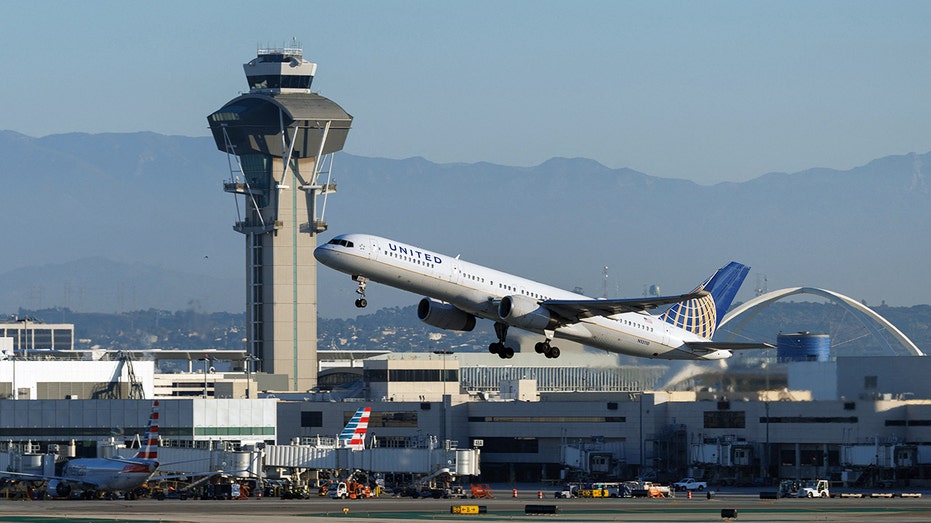
Transportation services prices declined 0.3% in June and are 3.4% higher than a year ago. Airline fares increased 0.2% on a monthly basis but are up 26.5% compared with a year ago.
DELTA CEO ED BASTIAN SAYS AIRLINE FARES WILL STAY ELEVATED EVEN IF JET FUEL PRICES FALL
What experts are saying
Ellen Zentner, chief economic strategist for Morgan Stanley Wealth Management, said that the “Fed was losing patience with high inflation, and today’s cooler-than-expected report gives them room to breathe.”
“By surprising on the downside, it relieves immediate pressure for action, allows the Fed to gather additional inflation data over the summer, and makes it considerably easier for policymakers to maintain their current wait-and-see stance through the next meeting,” Zentner added.
Jeffrey Roach, chief economist for LPL Financial, said: “After today’s benign core inflation release, it appears less likely that the FOMC will raise rates over the next few meetings. However, we may still be at an inflection point, given the risk that the energy shock could spill over into other categories of consumer prices. A positive resolution with Iran before the end of the summer is becoming increasingly important.”
What does it mean for the Fed?
The Federal Reserve has held interest rates steady at recent meetings amid concerns about elevated inflation, and with readings still coming in well above the central bank’s 2% target, policymakers are likely to leave rates unchanged at the next few meetings.
The CME FedWatch tool showed an 85.6% probability that the benchmark federal funds rate will remain at its current target range of 3.5% to 3.75% at the Fed’s next meeting in late July, up from 58.3% a day ago.
The tool also shows a 0% chance of a 25-basis-point rate cut by the end of the year, with just a 19.4% chance that rates remain at their current levels – with a 42.2% chance of a 25-basis-point hike and a 29.7% chance of 50-basis-points worth of hikes by the end of the year.
Read the full article here