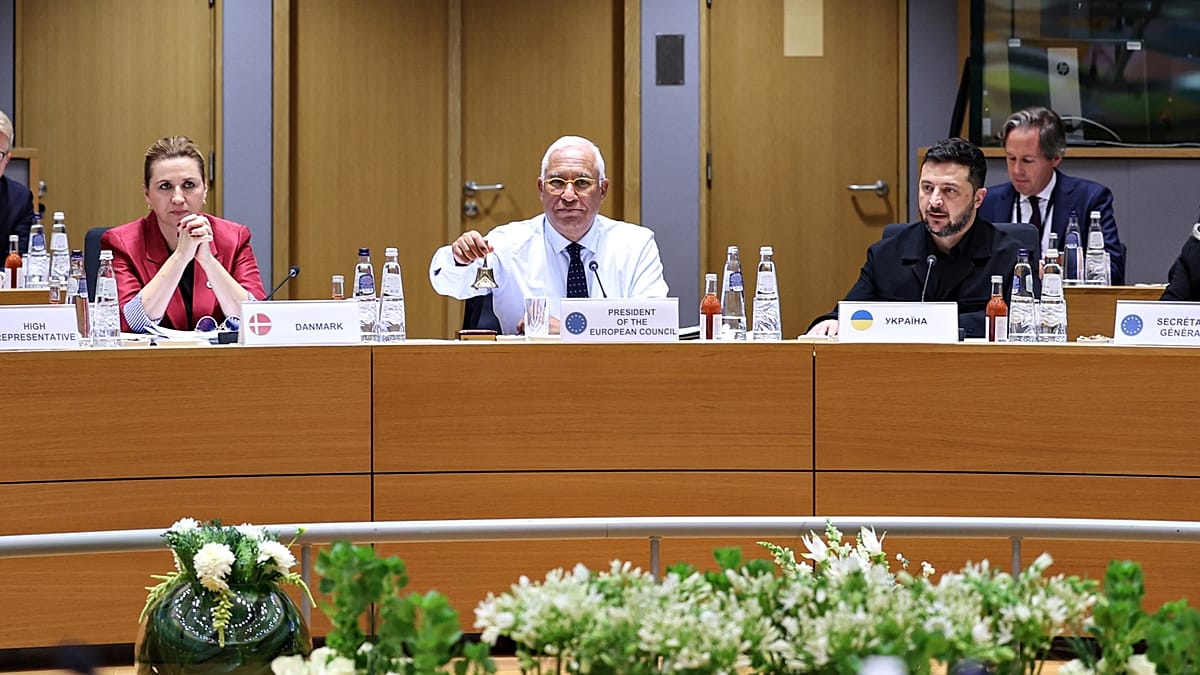


The European Union is ready to “step up” its role in the diplomatic process to end Russia’s full-scale invasion of Ukraine, but only when Moscow demonstrates a serious commitment to negotiations and establishes an “unconditional ceasefire”, according to draft conclusions prepared ahead of a key leaders’ summit on 18-19 June.
ADVERTISEMENT

ADVERTISEMENT
It marks the first time the conclusions speak of the bloc taking a hands-on approach to the peace process, which the United States has so far led and is currently stalled.
The provisional wording, subject to changes, falls short of endorsing the appointment of a special envoy, as some member states have demanded. The references could still change further before the summit takes place.
“The European Council supports diplomatic efforts to bring the war to an end and underlines the European Union’s readiness to step up its engagement in peace negotiations,” the draft, seen by Euronews and dated 1 June, says.
“However, Russia has not shown any genuine willingness regarding a fair and sustainable peace,” the paragraph continues.
“The European Council urges Russia to agree to a full, unconditional and immediate ceasefire and engage in meaningful negotiations towards a just and lasting peace.”
The document is used as a working basis for talks held by EU27 leaders.
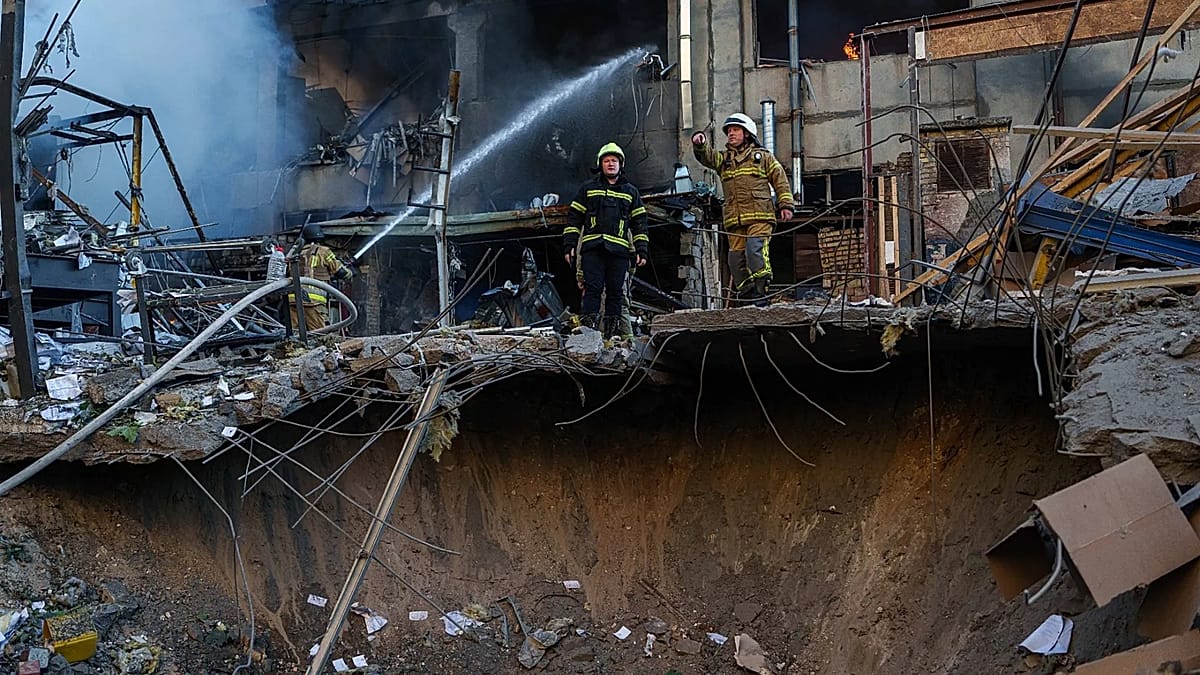
The draft document also forcefully condemns Russia’s deadly large-scale attacksagainst Ukraine and open threats against foreign citizens, diplomats and international organisations based in Kyiv, as well as last week’s incident that saw a Russian drone with explosives crash in a residential building in Romania.
The series of escalatory developments has shifted the debate on whether the EU should break its diplomatic isolation and launch direct talks with Russia.
The matter gained momentum in early May after Ukrainian President Volodymyr Zelenskyy, frustrated with the White House’s attention on the Middle East, called on Europeans to appoint a common representative and revive the negotiations.
Among the names casually floated for the high-risk job were European Council President António Costa, Finnish President Alexander Stubb, former Italian Prime Minister Mario Draghi and former German Chancellor Angela Merkel.
Costa, who will chair the summit, was one of the first leaders to speak publicly in favour of the direct talks, provided the circumstances are right.
Yet, divisions among capitals remain entrenched, as reflected in the wording of the draft conclusions. Germany, Poland, the Nordics and the Baltics believe the Kremlin’s maximalist demands would make any outreach pointless.
Last week, High Representative Kaja Kallas said the EU would “never” be a neutral mediator between Ukraine and Russia.
“We can’t be neutral, treating them equally, because we have been clearly on Ukraine’s side,” she said after hosting an informal meeting of foreign affairs ministers in Cyprus.
Instead, she argued, member states should strive to agree on a common set of concessions and conditions that Russia should fulfil at the negotiating table.
“All our efforts have to be complementary to US efforts. And the ministers were also very clear about this,” Kallas said. “We are not coming in instead of the United States, but we are actually addressing the issues that haven’t been addressed in these talks.”
Zelenskyy is expected to speak with the 27 leaders at the June summit, even though it is not yet confirmed whether he will do so in person or remotely.
In a recent interview with CBS, the Ukrainian president name-checked the E3 format (made up of Germany, France and the United Kingdom), the Nordic countries and Turkey as potential mediators.
“Who will represent Europe after all? It’s up to Ukraine and Europe to decide,” he said. “But no less important is that Russia must be ready for dialogue and European presence.”
Read the full article here