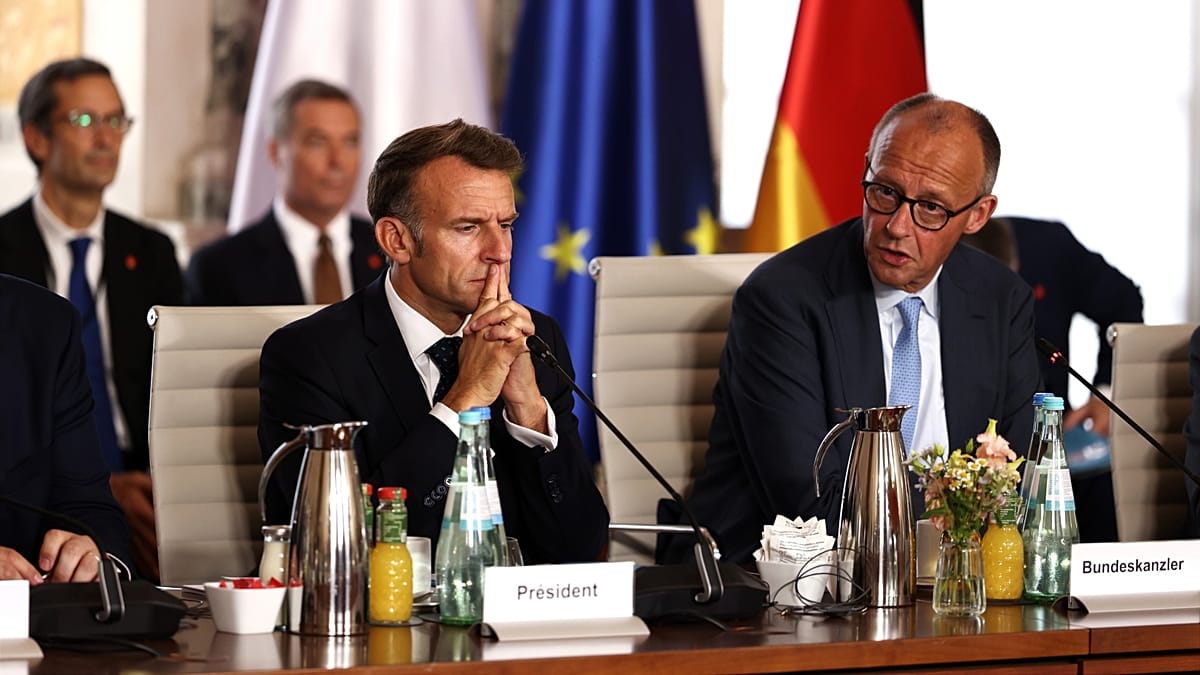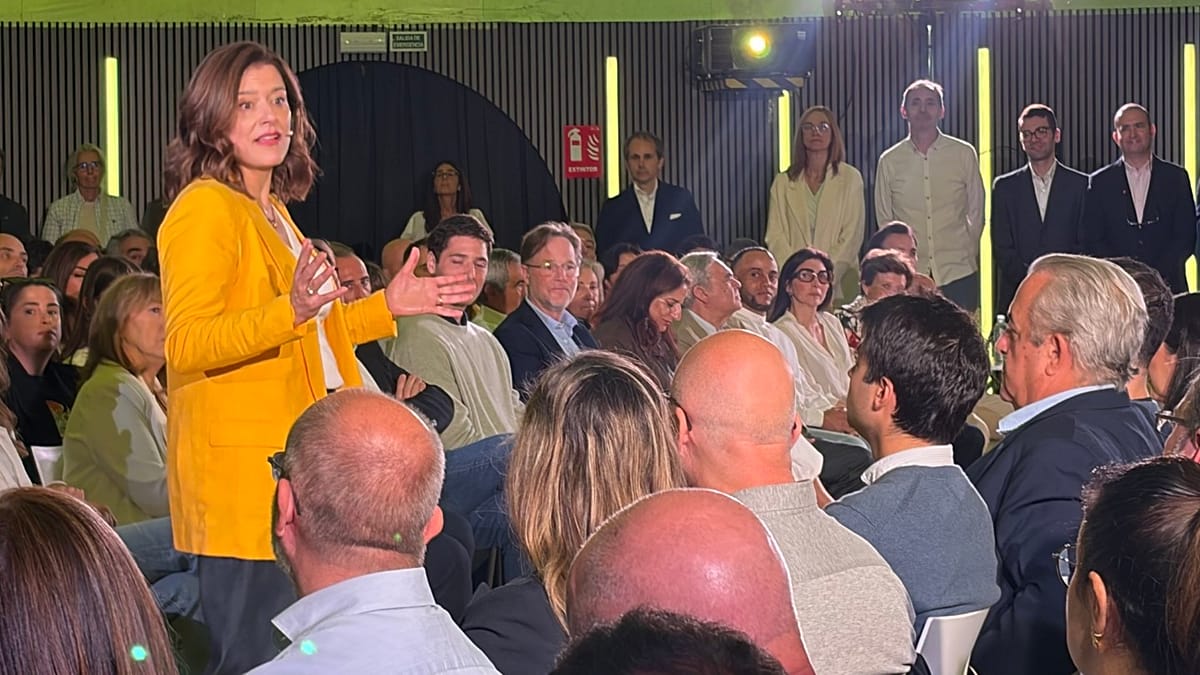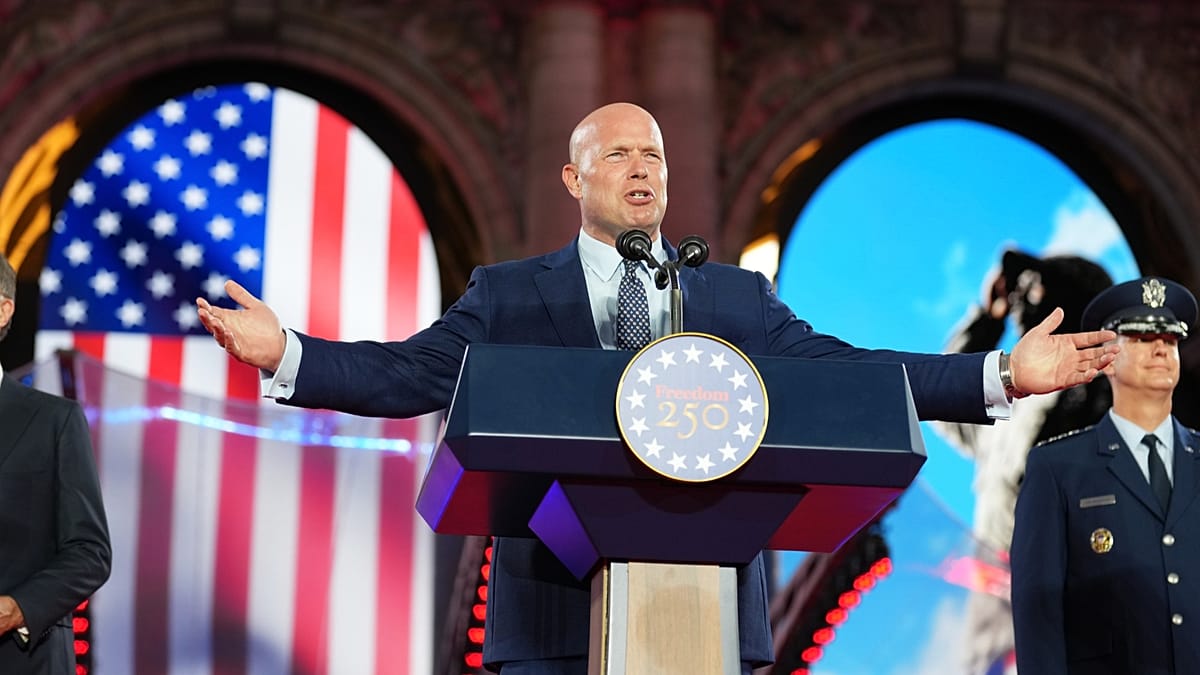



A windfall tax for firms profiting from energy price volatility is one of the ideas circulating among EU ministers meeting in Dublin on Friday and Saturday for the periodic meetings of the Eurogroup and Economic and Financial Council.
ADVERTISEMENT

ADVERTISEMENT
With the war in the Middle East continuing, Brent crude oil prices have surpassed $100 per barrel, and extreme volatility in energy prices is driving inflation higher across the bloc, which is not expected to return to the 2% target before the end of 2027.
While growth indicators are still performing well this year, the European Commission expects economic growth to slow down in 2027.
The EU is urging member states to pursue prudent fiscal policies and remain within the existing fiscal flexibility of 1.5% for defence spending, of which 0.3% can be used to contain energy prices.
Meanwhile, the European Central Bank (ECB) is gradually raising interest rates to contain inflation.
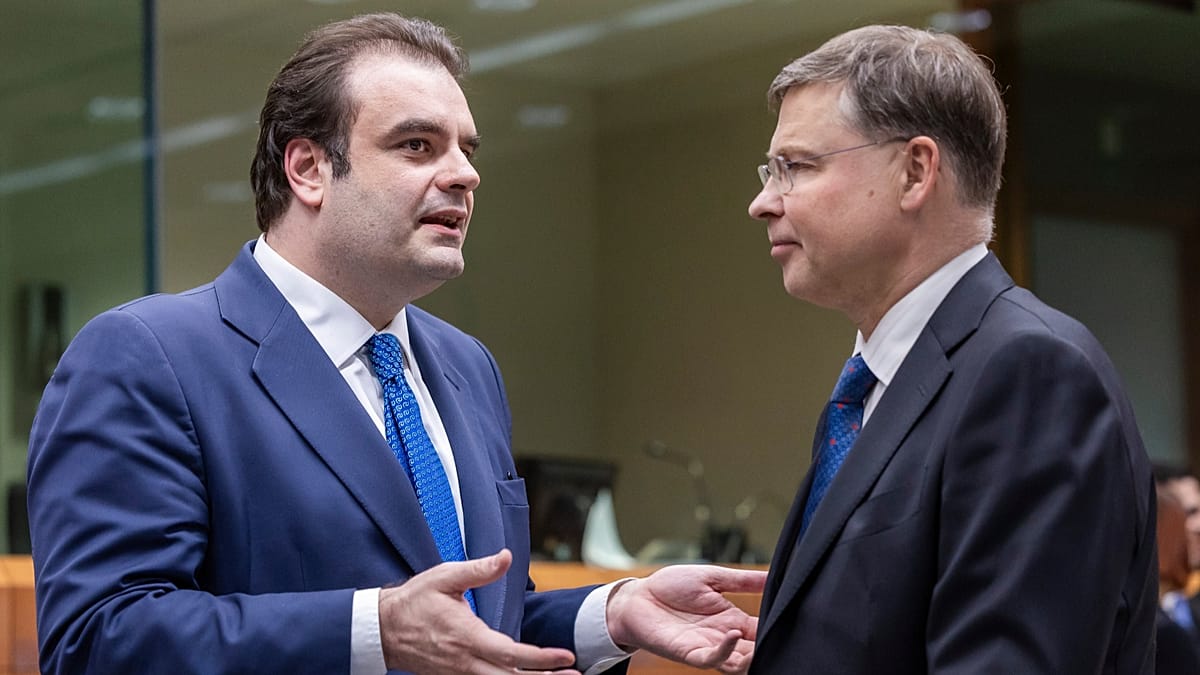
“There are several member states that put forward this initiative, it is part of our discussions,” European Commissioner for Economy Valdis Dombrovskis said during a press conference on Friday, referring to the windfall tax.
“Member states can already implement windfall profit taxes at the national level if they decide to do so. From the Commission side, we are ready to support those member states by sharing best practices and finding a good way forward.”
German Finance Minister Lars Klingbeil is pressing the European Commission to present models for a windfall tax, asking to have something on the table by the next Economic and Finance Council meeting in October.
“You know that I have been fighting for this for a long time, together with other European finance ministers,” Klingbeil said on the sidelines of Friday’s meeting.
The Spanish Finance Minister Carlos Cuerpo also expressed his favour for the proposal on Friday.
“We are managing to lower the bill for homes, companies, industries, transport companies, and this at the expense of the taxpayer’s money. We believe there may be fairer ways to distribute this cost,” Cuerpo said.
French Finance Minister Roland Lescure has been more cautious about the proposal.
“This [energy] shock can have a different impact on different countries. We do feel that whatever discussion we have, whatever work has been done, needs to take into account the specificities of each country,” he said ahead of the meeting on Friday, specifying that France has a “bigger electricity mix”.
To the direct question on whether he supports the proposal or not, Lescure said that he support any work that’s being done, but that “I can’t support something before I’ve seen it”.
“I’ll see what the work comes out with, and then we’ll have a discussion.”
Energy taxes: the bulk of pricing
Although the energy crisis is affecting the bloc, not all member states are affected in the same way, with prices at the pump varying greatly.
Finland, Denmark and the Netherlands, the three EU countries currently paying the most for diesel, impose some of the highest fuel taxes in the world, pushing retail diesel prices much higher.
On the other hand, countries in Eastern Europe such as Bulgaria and Poland set excise duties far lower, keeping their pump prices down.
Yet according to EU official data published on Thursday, the EU country paying the least for diesel is Malta, with €1.20 per litre charged at the pump on 14 September.
The significant discrepancy in diesel prices across the EU is driven mainly by divergent national tax policies – excise duties and VAT – which make up the largest portion of the retail price of diesel.
However, the difference between diesel prices before and after taxes is staggering. Per the data released on Thursday, Finland’s diesel price stood €1.48 per litre before taxes and €2.50 after taxes.
Denmark also ranked high, with diesel at €1.43 before taxes and €2.50 per litre after taxes, while Dutch citizens would pay only €1.50 per litre of diesel without taxes and €2.49 with taxes.
France, which has the third-highest government debt in the EU, has chosen targeted to offer assistance for the sectors most exposed to the price shock rather than cutting fuel taxes.
French Prime Minister Sébastien Lecornu asked ministers to extend support for sectors most exposed to higher energy costs until 31 December. Meanwhile, diesel prices at the French pump stood at €2.29 per litre on 14 September, against €1.30 before taxes.
Regional refining capacity also further amplifies energy pricing. All EU countries buy crude oil from the same volatile global markets, but the price motorists ultimately pay at the pump depends on whether there is sufficient refining capacity nearby, how easily fuel can be transported from other regions and how well local refineries can process the particular type of crude available.
During a supply shock like the one the EU is currently suffering, EU countries with spare refining capacity, diversified import routes and strong links to neighbouring fuel markets may be able to cushion the disruption more easily.
Read the full article here