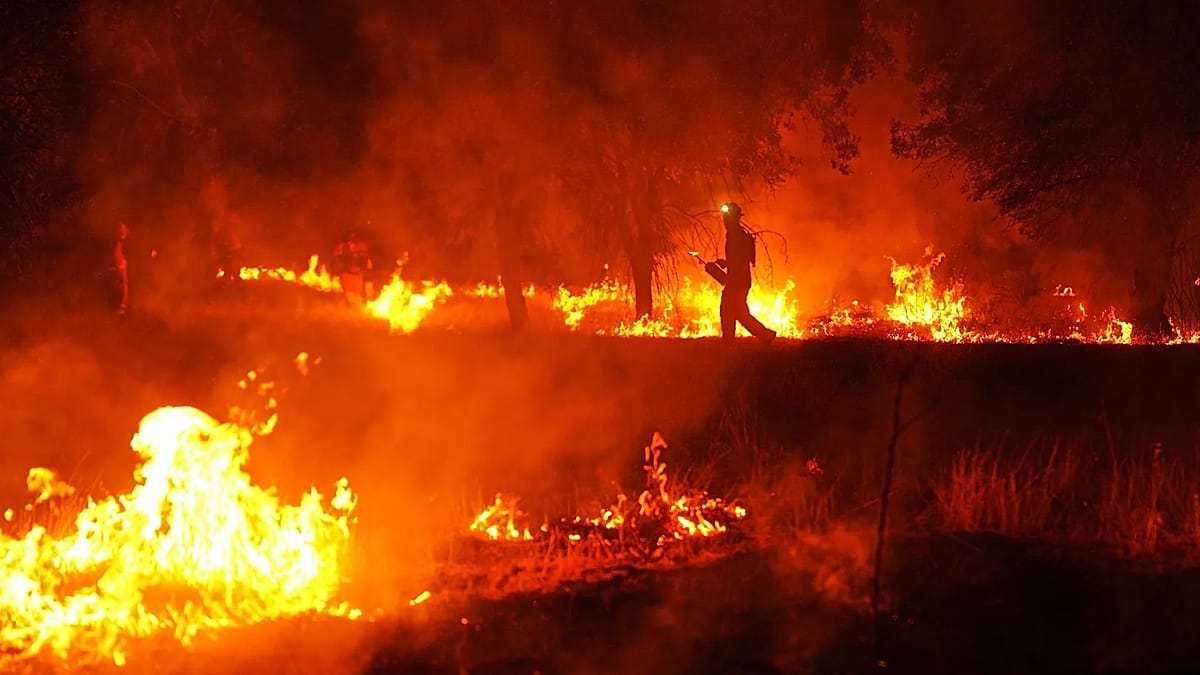






The European Commission’s long-awaited wildfire strategy, unveiled in March, was presented as a major shift in approach: moving away from simply fighting fires once they break out towards prioritising prevention measures.
ADVERTISEMENT


ADVERTISEMENT
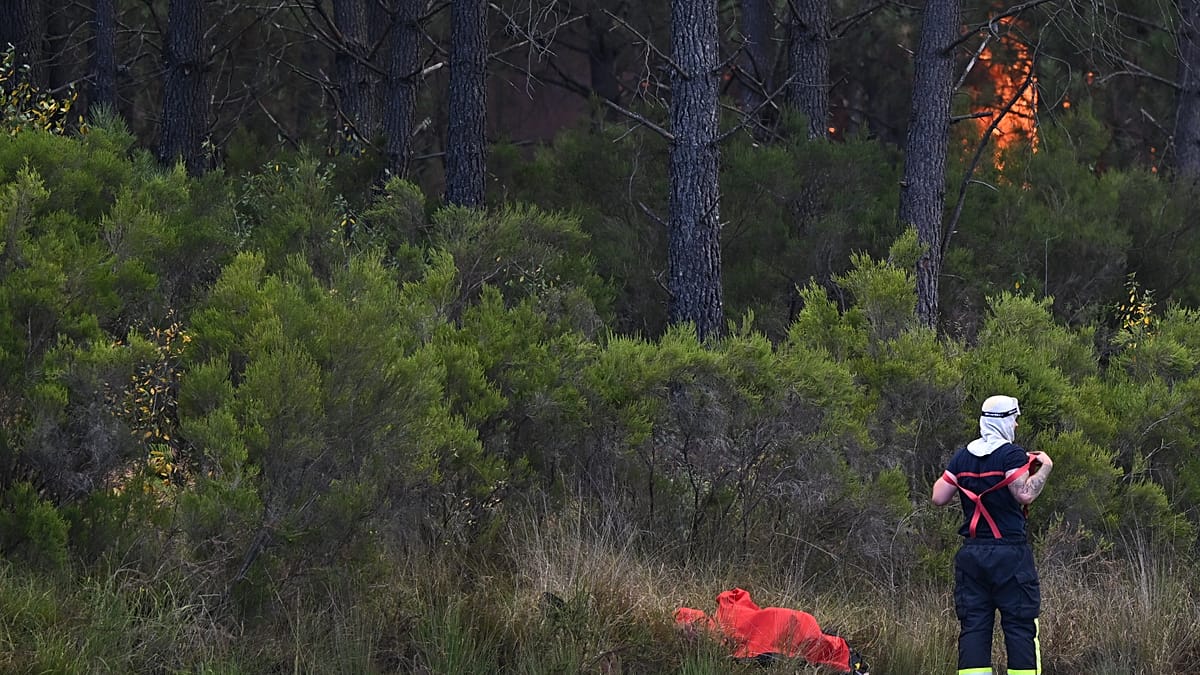
Four months later, Spain and France are facing one of their worst wildfire seasons in years, exposing the gap between Brussels’ ambitions and the limited progress made on the ground.
As flames spread across southern Europe, the Commission is facing growing scrutiny over whether its promise to put wildfire prevention ahead of emergency response came too late to make any difference this summer.
The strategy unveiled in March marked a significant change in thinking — instead of relying primarily on aircraft, firefighters and emergency deployments, Brussels acknowledged that the European Union had become trapped in a costly cycle of extinguishing increasingly intense fires rather than preventing them.
However, much of the EU executive’s wildfire strategy remains on paper, with key measures still awaiting implementation.
The Commission recognised that decades of abandoned farmland, unmanaged forests, prolonged drought and rising temperatures have created vast reserves of combustible vegetation, such as pine trees and eucalyptus, across the continent. Its answer was to properly tackle such trees before they ignite.
That meant paying farmers and foresters to thin forests, graze livestock and restore abandoned land. It proposed restoring wetlands, peatlands and floodplains to retain moisture and slow the spread of fires naturally.
Yet none of these measures can reduce the risk of fires already raging this summer.
Environment Commissioner Jessika Roswall said at a gathering of agriculture ministers in Brussels on 26 May that the Commission did “not plan any new initiatives on forest management” and did “not plan any additional indicators or guidelines at this point.”
Instead, Europe has once again fallen back on the same emergency tools the Commission had warned were no longer enough: deploying rescEU firefighting aircraft, dispatching cross-border firefighting teams and mobilising civil protection resources as successive countries request assistance.
A central weakness in Europe’s wildfire policy prevails — political attention and funding tend to surge after catastrophic fires, while preventive landscape management requires years of sustained investment before results become visible.
The Commission itself acknowledged that prevention had historically received far less attention than emergency response. Its March blueprint effectively admitted that Europe had been treating the symptoms rather than the causes of worsening wildfires.
Cutting the Commission some slack
However, many of the proposals also depend on member states rather than Brussels.
Forest management, land-use planning and civil protection largely remain national responsibilities, while much of the preventive funding would flow through the EU’s agriculture funds and future EU budgets.
The Commission can encourage, coordinate and finance, but implementation ultimately rests with governments, regional authorities, farmers and landowners.
For years, there has been a blocking minority in the Council against regulating forest management.
While Sweden and Finland have traditionally led resistance to greater EU involvement in forest policy, France has frequently joined them on key files, insisting that sustainable forest management should remain largely a national competence. Paris notably helped stall the Nature Restoration Law in 2024 and has repeatedly argued against giving Brussels greater influence over how member states manage their forests.
Throughout 2024, several EU countries pushed back strongly against the Commission’s proposed Forest Monitoring Law, arguing it would give Brussels too much influence over national forest policy.
The recommendation for EU countries on integrated wildfire risk management, adopted on 29 June, remains an unbinding piece of paper while the Commission’s vision of treating wetlands and restored ecosystems as natural firebreaks will take years to reshape landscapes.
Martin Pigeon, forest and climate campaigner at the NGO Fern, said the dramatic blaze burning down thousands of hectares of Gironde’s pine plantations these days was “absolutely foreseeable”.
“Some areas burning today had already burned 4 years ago, yet had been replanted with pines again! The mainstream forestry industry is trapped in a monoculture plantation-clearcut cycle whose costs are borne by the whole of society, but its grip on forestry policy has blocked any meaningful EU regulation of forest management so far,” Pigeon told Euronews.
“How long is society going to pay the enormous economic, climate and health costs of this industry’s comparably small profits?”
Climate scientists have repeatedly warned that Europe’s fire season is becoming longer, more intense and less predictable.
The Commission’s own strategy accepts that no amount of emergency capacity will be enough unless forests and rural landscapes become more resilient.
“We need to flag that forest management (…) is probably the best challenge that we need to do, to try to improve this situation for the incoming years,” one Commission official privately conceded.
Read the full article here