

Published on
European defence and security leaders will gather in Brussels on Wednesday for the Euronews Defence & Space Summit, as governments across the continent face growing pressure to increase military readiness and strengthen Europe’s ability to respond to emerging threats.
ADVERTISEMENT

ADVERTISEMENT
The one-day summit at the Albert Hall will bring together NATO and EU officials, defence ministers, military commanders and representatives from Europe’s defence and aerospace industries.
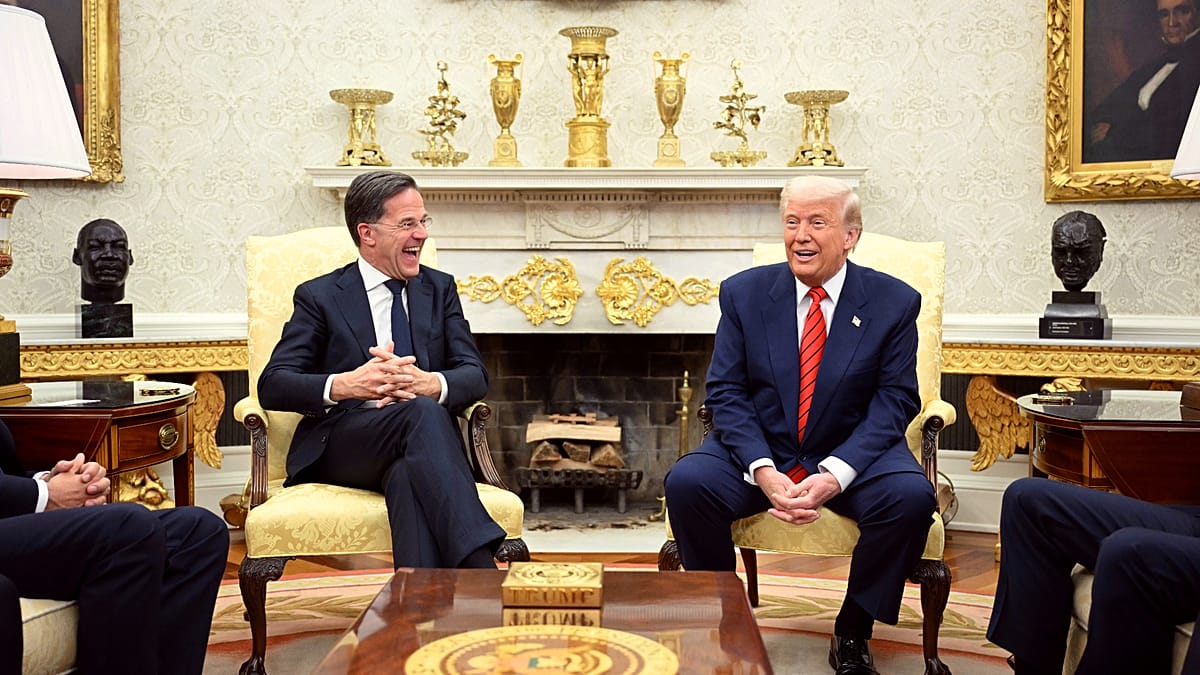
Among those due to take part are NATO Secretary General Mark Rutte, European Commissioner for Defence and Space Andrius Kubilius, European Commission Executive Vice-President Henna Virkkunen and Bulgarian Prime Minister Rumen Radev.
The event comes as European governments are stepping up defence spending and looking at ways to improve cooperation on procurement, military mobility and industrial production.
Recent incidents involving drones and other forms of suspected hybrid activity have also increased attention on the protection of critical infrastructure and Europe’s ability to respond to threats below the threshold of conventional armed conflict.
European Commission President Ursula von der Leyen has described such incidents as part of a “new era of European security”, while Kubilius has called for a stronger European response to hybrid threats.
Defence spending and joint procurement
One of the summit’s main discussions will focus on Europe’s efforts to increase defence investment while reducing fragmentation between national armed forces and industries.
The EU is pursuing a broader defence-readiness agenda aimed at increasing production capacity and improving cooperation between member states. Kubilius has previously argued that military mobility across Europe needs to be significantly improved, highlighting the difficulties involved in moving troops and equipment rapidly across national borders.
The summit will bring together policymakers and industry representatives to discuss procurement, financing and the development of European defence capabilities.
Hybrid threats and cyber security
Cyber security and the protection of civilian and military infrastructure will also feature prominently.
The discussions are expected to examine how governments can protect critical networks against state-sponsored cyber attacks and other forms of hybrid activity, as well as the role of secure cloud infrastructure and emerging technologies.
Virkkunen, whose European Commission portfolio includes technology sovereignty, security and democracy, is responsible for EU work on areas including secure digital infrastructure, artificial intelligence and cloud policy.
Europe’s defence industry
The summit will also examine efforts to strengthen Europe’s defence industrial base.
European governments are seeking to increase production while addressing supply-chain vulnerabilities and differences between national procurement systems.
The discussions will include representatives from defence companies, European institutions and industry organisations, reflecting the growing emphasis on developing European manufacturing capacity alongside increased military spending.
NATO and Europe’s eastern flank
The summit’s ministerial and military discussions will take place against the backdrop of heightened concern over security along NATO’s eastern flank.
Rutte has repeatedly stressed the need for NATO to maintain the capabilities required to respond to security threats, while European officials have called for stronger coordination between the EU and NATO.
Among the military leaders attending the summit are General Seán Clancy, Chairman of the EU Military Committee, and General Onno Eichelsheim, Chief of Defence of the Netherlands Armed Forces.
The summit will be broadcast live by Euronews on Wednesday 30 September, with the programme beginning at 09:00 CEST according to the official Euronews Events listing.
The event comes at a time when European governments are increasingly seeking to translate higher defence spending into concrete capabilities, greater industrial capacity and a more coordinated approach to continental security.
Read the full article here