



Published on
The European Commission is pushing to ban China-made power inverters from all EU-funded projects, but a full phase-out in the near future appears unrealistic.
ADVERTISEMENT


ADVERTISEMENT
The Commission recently announced plans to gradually eliminate the use of Chinese-made inverters in EU-funded energy projects, in a major step aimed at protecting critical energy infrastructure from possible cyber threats that could trigger power outages.
The rationale: China-made inverters are deemed a cybersecurity liability, since manufacturers might be able to remotely manipulate them or even switch them off, destabilising energy grids and potentially causing blackouts.
But the Commission’s push to phase out so-called high-risk inverters has alarmed EU officials involved in development projects, as it remains uncertain whether European producers can meet demand.
That question was at the heart of a closed-door meeting the Commission organised last Friday, bringing together financial institutions, the renewable energy sector and alternative inverter manufacturers to discuss how to handle the phase-out.
“While information from EU industry has confirmed that there is in principle adequate capacity to match the increased demand, there is the risk of short-term impacts, including availability of models, cost increase, and project delays,” reads the roundtable’s invitation, seen by Euronews.
The meeting aimed to assess inverter supply from sources other than high-risk suppliers, identify gaps between client expectations and what industry can deliver, and explore how to scale up the EU’s manufacturing base and its financing implications.
European investment institutions such as the European Investment Bank have pushed back against the move, pointing out that there are currently limited alternatives to Chinese suppliers and that a strictly applied phase-out would force them to abandon numerous projects.
“For years, the Commission has pushed to massively finance renewable projects,” an EU official told Euronews, speaking on condition of anonymity, adding that the issue had been made more urgent by the energy crisis triggered by the war in Iran.
“Now that investment banks have converted their balance sheets toward renewable energy, they are left holding the bag, since they are being told that projects with Chinese involvement are no longer financeable,” the official said.
The meeting confirmed that the phase-out will face technical and financial obstacles, while European manufacturers, those best placed to benefit from a ban on Chinese suppliers, sought to reassure attendees that production could meet demand.
Still, different meeting attendees pointed to significant limits on completing a phase-out in the short to medium term, starting with the fact that China-made inverters generally integrate better with Chinese solar panels.
The need for more legal clarity on how the Commission’s guidance should be applied remains another key issue, the lack of which will make it hard for EU industry to support the Commission’s objectives.
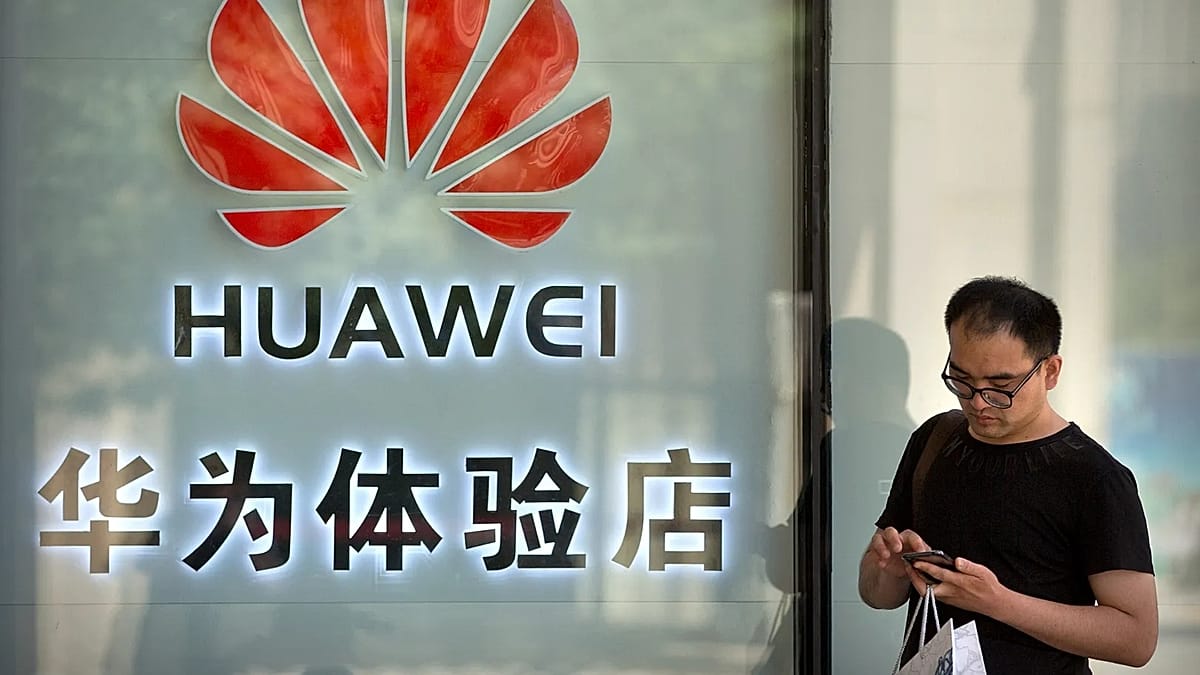
Ultimately, Chinese inverter manufacturers such as Huawei are not only cheaper than their European, American or South Korean rivals – they also offer services and guarantees that would need to be replaced.
Read the full article here