



This summer will mark the seventh that John Munoz’s kin will spend without the beloved teen — while the dilapidated jetties they say killed him will continue to dot Rockaway Beach.
The 70-year-old “death” pilings are finally on track to be removed starting in November, but that’s two months after lifeguards hang up their suits for another season — and years too late, according to the grieving family.
“I’m deeply saddened it’s taken this long for them to remove [them],” said Yenesnia Rodriguez, Munoz’s sister, to The Post.
“My family and I have always heard the stories of Rockaways claiming lives, so we always knew how dangerous it was,” she said. “But until it hits you, you don’t realize how dangerous it is.
“The jetties have always been a hazard — even before I was around. Until this day is still a hazard.”
The US Army Corps of Engineers is now finally drafting fresh plans to remove the structures — among 19 clusters of jetties along the Queens shoreline — as part of the Rockaway Crossovers Construction Contract, which is similar to another proposal that had been dragging on for years.
The corps first sought to rip out the wooden planks in 2020 as part of a different beachfront project but disastrously stuck itself wth contractors who “never got to” the dangerous pilings, said city Councilwoman Joann Ariola, calling the previous plan a “bureaucratic nightmare.”
The military expects to begin seeking new crews for the work in October, with the city Parks Department footing the bill, the agencies said.
If all goes well, the work will begin as soon as November, Ariola said.
“Besides the riptide and any type of shark attack, [the jetties are] probably one of the most dangerous parts of the water that can take the lives of swimmers and our surfers,” she said.
“They become submerged when the tide comes in, and you cannot see them.”
The Republican pol said the new plan is a “positive” but that news of it is little consolation to the families who have lost their loved ones in the surf.
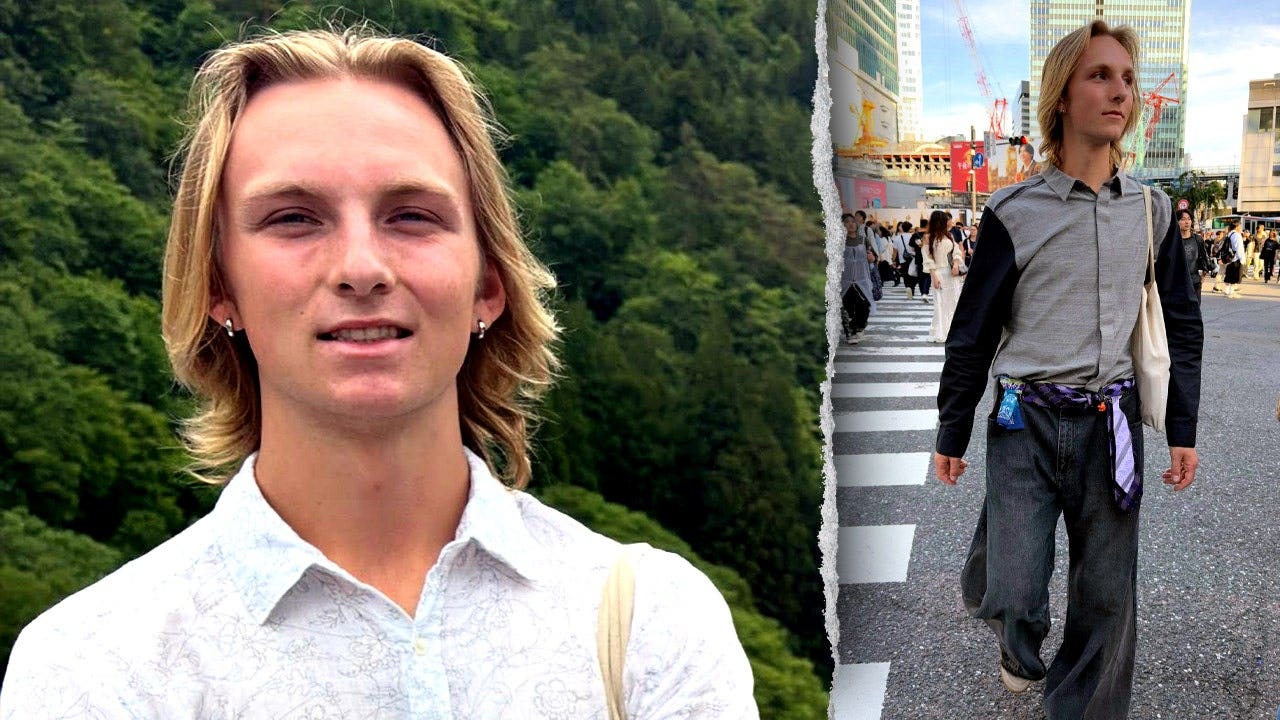
Mumoz, 18, was just one of many drownings at Rockaway Beach that has been linked to the jetties, critics said.
The teen was sitting on a jetty there with friends in July 2019 when he slipped into the rough waters and vanished.
His official cause of death was accidental drowning, but his sister said his body was covered in trauma marks from the pilings.
“[The jetty] hit him, and he knocked out, and he drowned right there,” she said.
“It never goes away,” Rodriguez said of the loss. “You take a day by day, and you learn to deal with the pain, carry him in our hearts.
“A piece of us died with him, and we had to start a new life without him. Even after he passed away, I just kept hearing stories,” the sibling said. “It’s now seven years he’s been gone. And it took them seven years to finally say, ‘Hey, maybe this is not a good idea.’
“I just don’t take a chance with Rockaway. That’s the lesson I learned from there,” she said. “Coney Island, even with the strongest waves, is still safe compared to Rockaway.”
Last summer, surfer Sebastián Lasaosa Rogers was killed by the jetties in Riis Park in the Rockaways when the leash of his board got tangled in the decrepit wooden jetties.
Two other surfers succumbed to similar fates in 2009 and 2010.
Despite the renewed efforts to remove the deadly jetties, neighbors remain skeptical the plan will come to fruition as soon as November.
“That would be miraculously fast given our experience thus far,” said Paul King, the president of the Belle Harbor Property Owners Association, which has been pleading for their removal for years.
“This isn’t one of those things where we’re like, ‘If this pothole doesn’t get fixed, someone could die in an accident.’ We’ve already had death after death. This is a real urgency.”
Read the full article here