


Published on •Updated
Austria, Czechia, Hungary, Slovakia and Poland are pushing for changes to the EU’s carbon market to give European industry more time and flexibility to cut emissions without losing competitiveness, according to a document seen by Euronews.
ADVERTISEMENT

ADVERTISEMENT
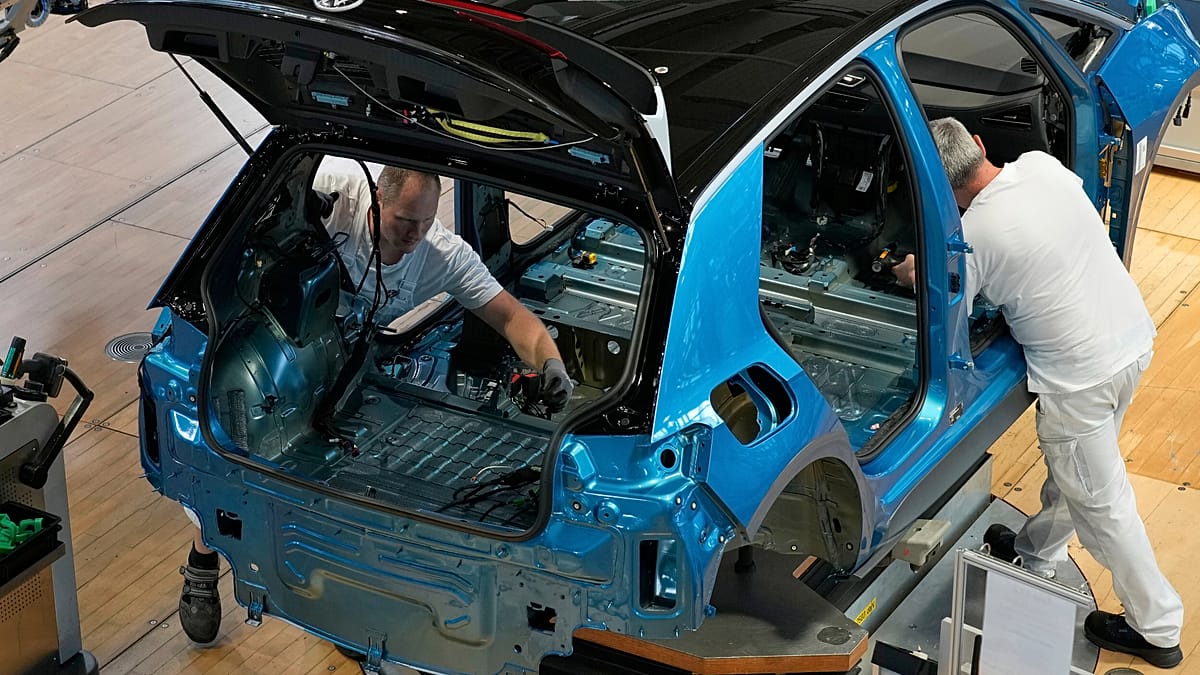
The five countries argue that companies face enormous costs to decarbonise factories while competing with producers outside Europe that are not subject to the same carbon price.
“We need something like an ‘export discount’ because we have a huge problem when we start doing business outside,” Austrian Industry and Energy Minister Wolfgang Hattmannsdorfer told reporters on Thursday.
The appeal came as EU industry ministers gathered in Brussels amid debate over the European Commission’s proposed revision of the Emissions Trading System (ETS) — added to the Competitiveness Council agenda because of its impact on industry, the Austrian minister said.
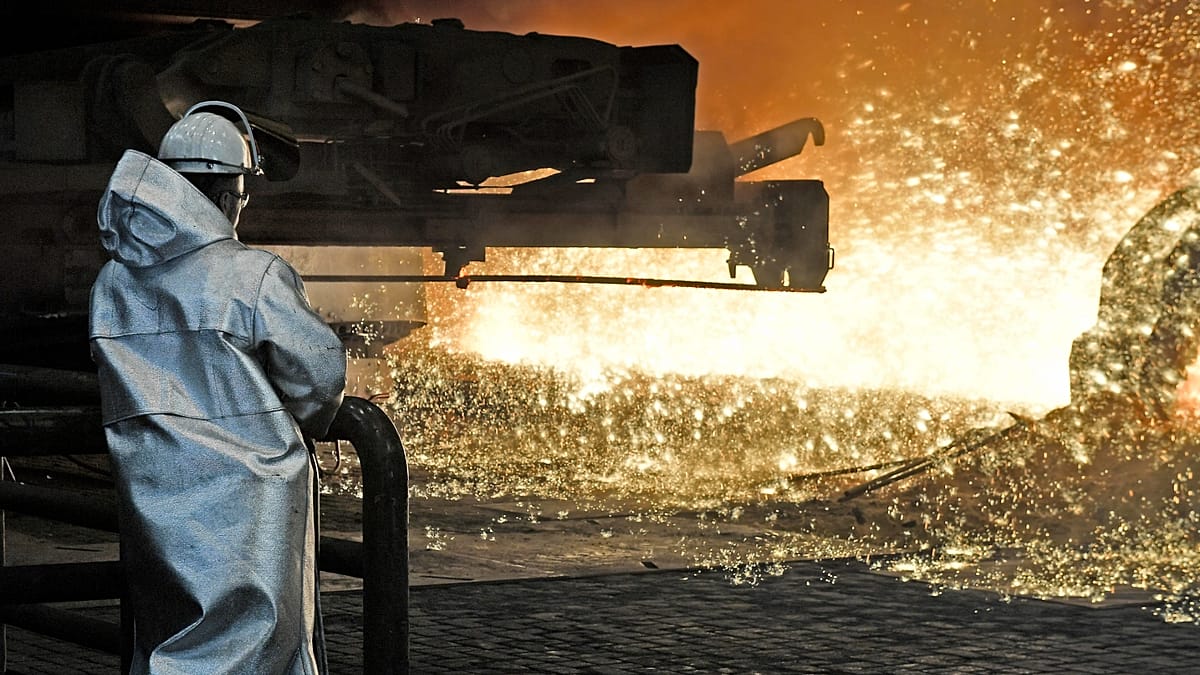
Under the ETS, companies in carbon-intensive sectors such as steel, cement and chemicals must buy allowances for their emissions. The more carbon they emit, the more they pay.
Hattmannsdorfer called for “economic patriotism” to keep industries and jobs in Europe, arguing that maintaining European production is crucial for regional wealth, welfare and environmental standards.
EU ministers have warned Brussels that industry needs incentives and flexibility to decarbonise, particularly as factories already face high electricity costs. Businesses similarly argue that if production becomes too expensive in Europe, they could shift elsewhere.
Austria’s central bank highlighted the pressures in late 2025, describing the country’s export industry as “under pressure on several fronts”. Weak German industry, US tariffs, high wage and energy costs and growing competition from China were all weighing on exports.
The outlook has since worsened as the war against Iran has pushed up energy costs, adding further pressure on Austria’s – and Europe’s – industrial competitiveness and green transition.
Basics before green investment
The five governments argue that factories should only be required to make major decarbonisation investments when basic conditions are in place – including affordable electricity, sufficient grid capacity, hydrogen supplies and infrastructure to transport and store captured CO2.
Removing protection from carbon costs before those conditions exist could have the opposite effect to that intended by Brussels, the document argues. Rather than investing in cleaner European production, companies could move manufacturing elsewhere.
“European industry is being asked to undertake multi-billion-euro investments in electrification, hydrogen, CCS/CCU and new production processes. These investments require affordable electricity, functioning grids, hydrogen as well as adequate input materials availability and CO2 transport and storage infrastructure,” the document says.
Alex Eggert, head of the steel trade body Eurofer, said the industry would reach climate-neutrality while producing in Europe.
“We need an ETS that rewards first movers while supporting the decarbonisation of the whole industry. Withdrawing carbon leakage protection too quickly risks undermining the very investments needed to make the transition,” Eggert said.
The ETS has helped cut emissions from covered sectors by more than 50% since 2005 while generating more than €270 billion in revenues, according to European Commission figures.
But plans to revise the bloc’s carbon market have proved highly divisive among EU governments, with several countries pressing Brussels to soften the system’s impact on European industry.
Read the full article here