
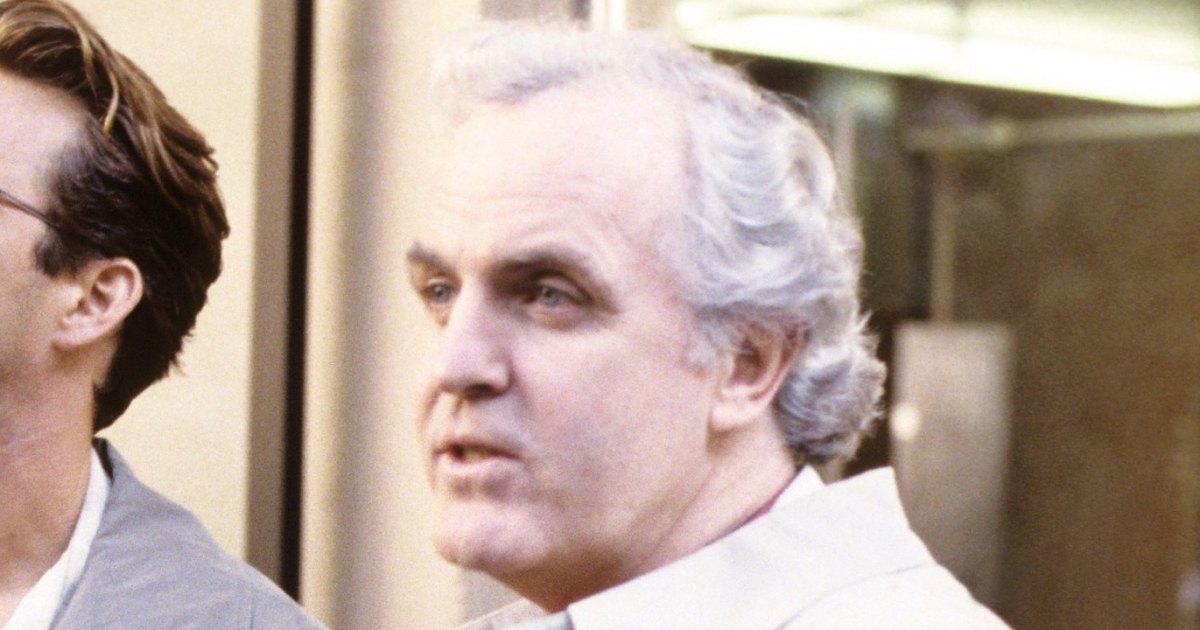
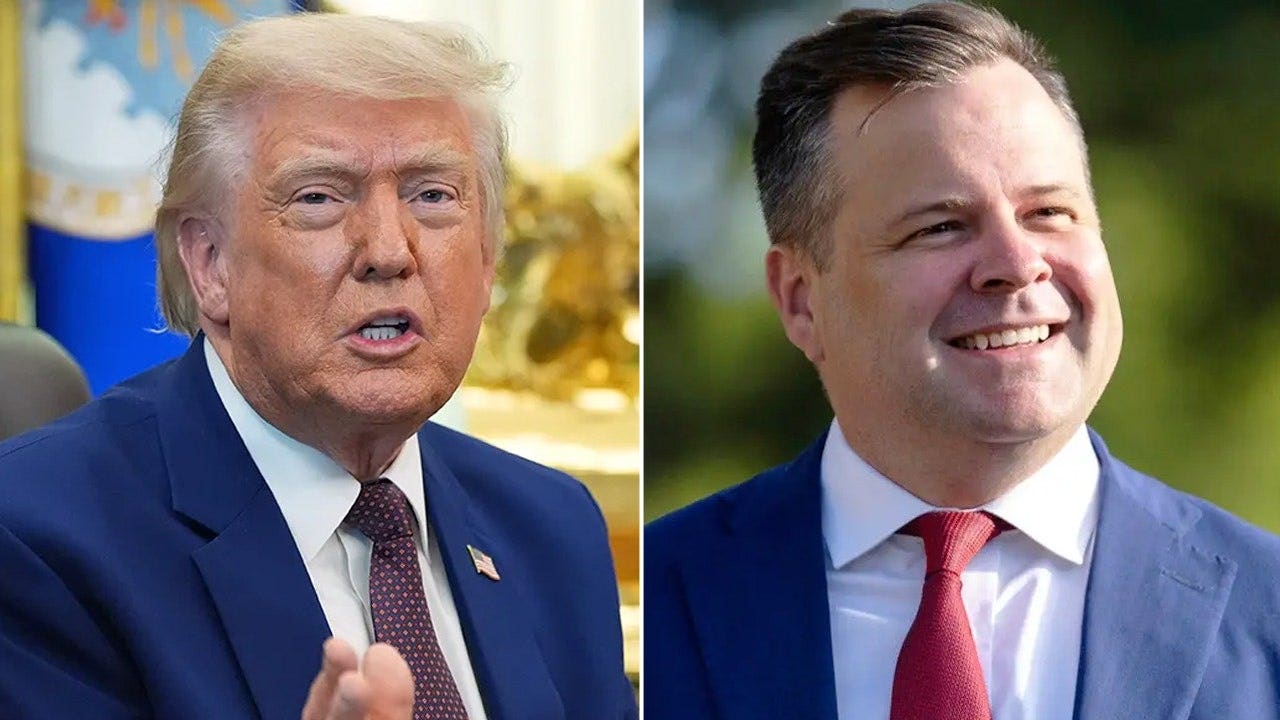


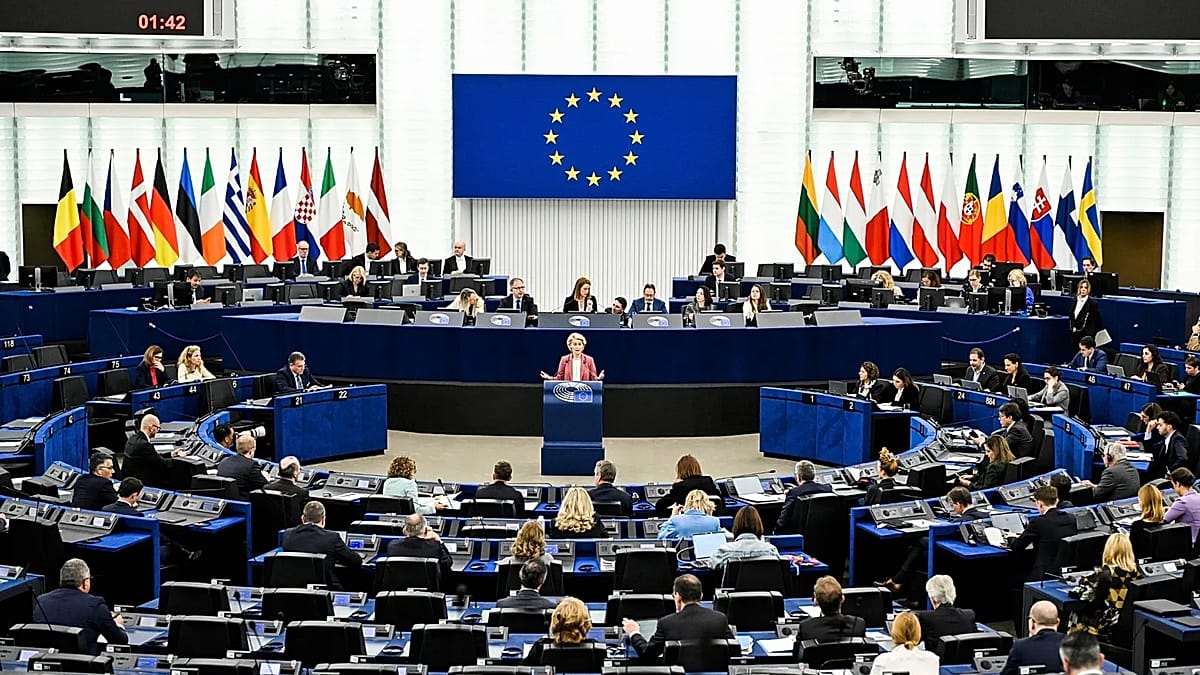
During a keynote speech in Berlin, German Foreign Minister Johann Wadephul called for the EU’s unanimity principle to be scrapped. Instead, a “qualified majority” should be enough, he said at the Konrad Adenauer Foundation on Wednesday.
ADVERTISEMENT


ADVERTISEMENT
The move would effectively abolish the veto power that currently allows any one of the blocks 27 member states to block major decisions, making consensus “significantly” easier. Unanimity, Wadephul said, would continue to be the goal, though.
A qualified majority could “make the EU capable of acting in areas where it currently has to remain at a standstill,” he claimed.
“Under our leadership, twelve member states have already come together to bring about this change.”
In recent months, Hungary’s blockade of a €90 billion loan for Ukraine led by Prime Minister Viktor Orbán sparked controversy. Orbán has previously agreed to the loan, but enforced the blockade after damages at the Druzbha pipeline, which temporarily disrupted Russian oil supplies to Hungary and Slovakia.
The Hungarian PM later reversed his position after being defeated by Péter Magyar in the country’s elections on 12 April and has since approved the loan.
“We could see it last week when funds were released,” Wadephul said in Berlin. “It only takes the deviation of a few or even individuals to block the actions of all.”
Wadephul calls for ‘sweeping reforms’
Furthermore, “enhanced cooperation” within the bloc should continue to take centre stage. If joint progress among all 27 EU member states cannot be achieved in the foreseeable future, a smaller group of countries should take the lead instead, Wadephul said.
According to him, this principle should also apply to the EU’s Common Foreign and Security Policy. He also called for sweeping reforms to the allocation of EU funds, advocating a stronger “conditionality mechanism.” Financial assistance, he argued, should be tied to adherence to the rule of law, adding that “EU funds must not go to those who violate our common values.”
The EU, for instance, froze funding for Hungary over concerns that Prime Minister Viktor Orbán’s government had breached core EU values.
The accusations included political interference in the independence of the judiciary and curbs on the rights of sexual minorities. Orbán’s successor, Péter Magyar, is now trying to unblock these funds, with talks between Brussels and Budapest expected to conclude on 25 May.
During his speech in Berlin on Wednesday, Wadephul also addressed the need to cut bureaucracy within the EU. The bloc’s ability to act, he said, depends on ensuring that its institutions remain functional even as the Union expands.
Among the ideas he floated was a smaller European Commission made up of commissioners from only two-thirds of member states. Wadephul also called for changes to the composition of the European Parliament. “We are already seeing at national level the challenges that come with an oversized parliament,” the foreign minister said.
‘EU-lite’ membership for Ukraine
Wadephul’s push to cut EU bureaucracy mirrors broader demands from Germany’s conservative CDU/CSU-bloc. In a policy paper seen by Euronews, the alliance urged Ursula von der Leyen to make the EU leaner and more efficient.
On enlargement, Wadephul argued that future accessions should take place gradually rather than in one step.
According to him, a phased approach could help overcome resistance to some candidate countries, particularly in the Western Balkans. He did not explicitly mention Ukraine, although proposals for a form of limited or partial EU lite membership for Kyiv have been discussed repeatedly in recent years.
Asked about the transatlantic alliance, Wadephul said he remained convinced that it was “solid”. The United States, he said, had done a great deal for Germany – from liberating the country from “Nazi terror” to supporting its post-war reconstruction and helping make reunification possible.
“Nothing happening at the moment undermines my fundamental trust,” Wadephul said. During visits to the US, he added, he had met numerous decision-makers with strong pro-transatlantic views. “We should not start questioning things that nobody in Washington is questioning – not even the US president.”
The foreign minister also highlighted the European single market as “one of the three largest markets in the world”. A single market for defence equipment, he argued, could significantly boost cooperation on planning, development and procurement across Europe.
“It could speed up the development and acquisition of capabilities that are vital to us, while also reducing costs,” he said.
Read the full article here