



Published on
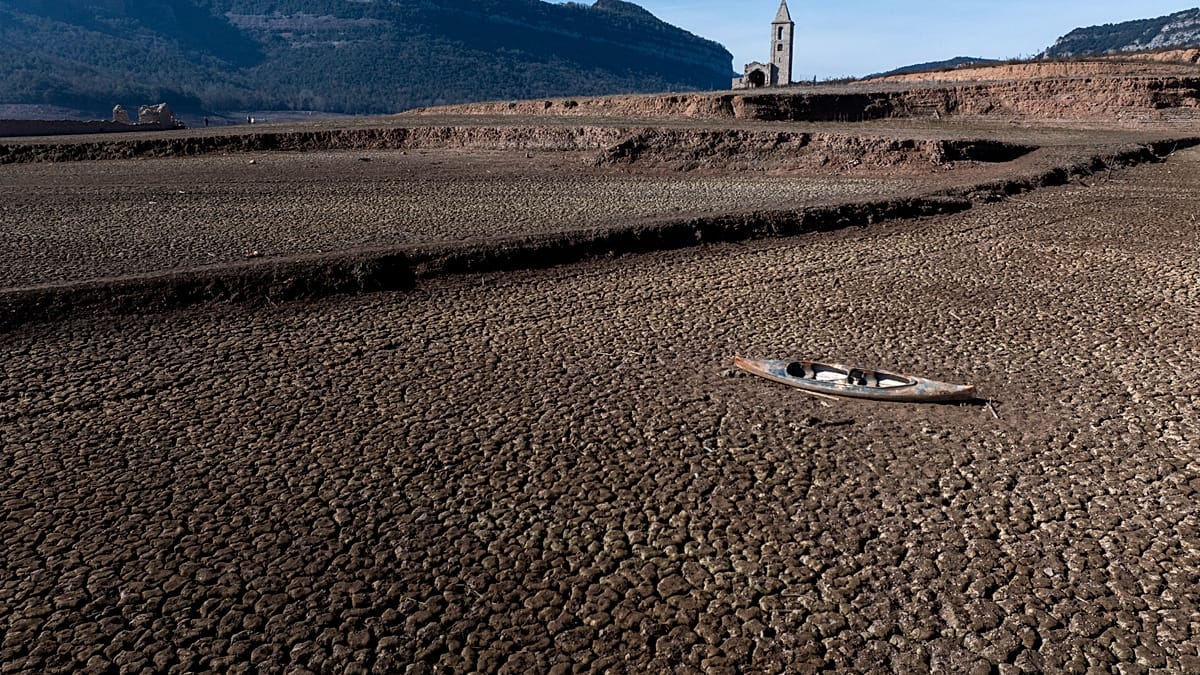
Every summer shows the same warning signs: dropping water levels, parched soil, and emergency water restrictions. Each year, these problems grow more severe.
ADVERTISEMENT


ADVERTISEMENT
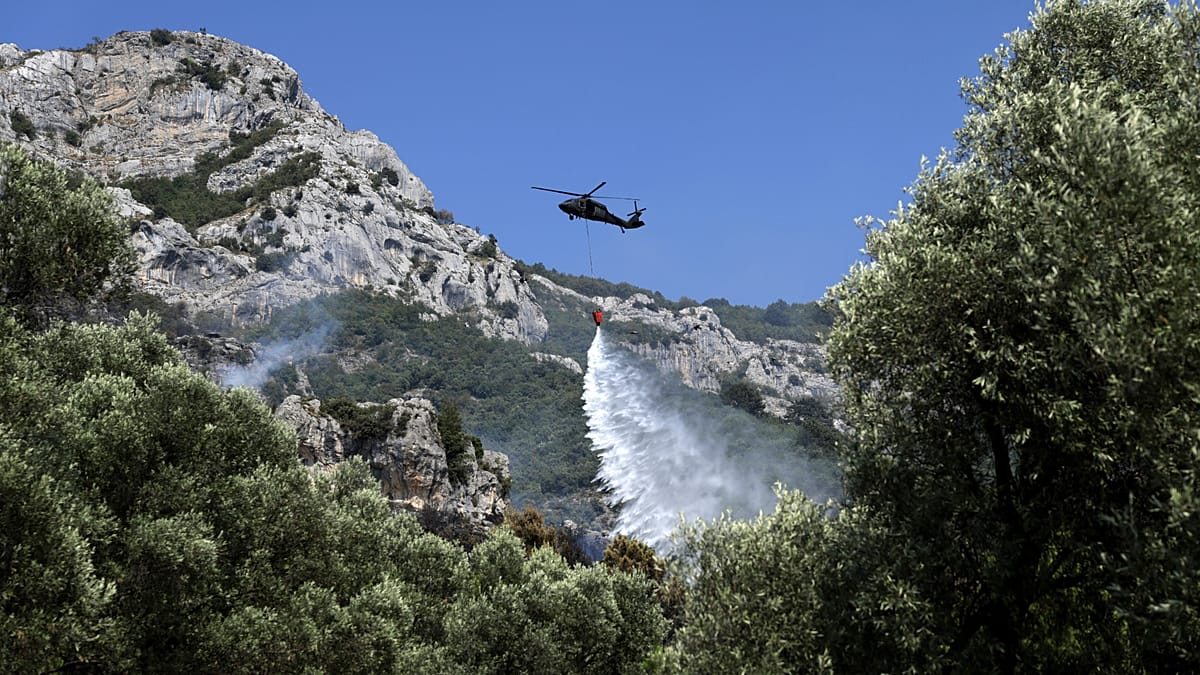
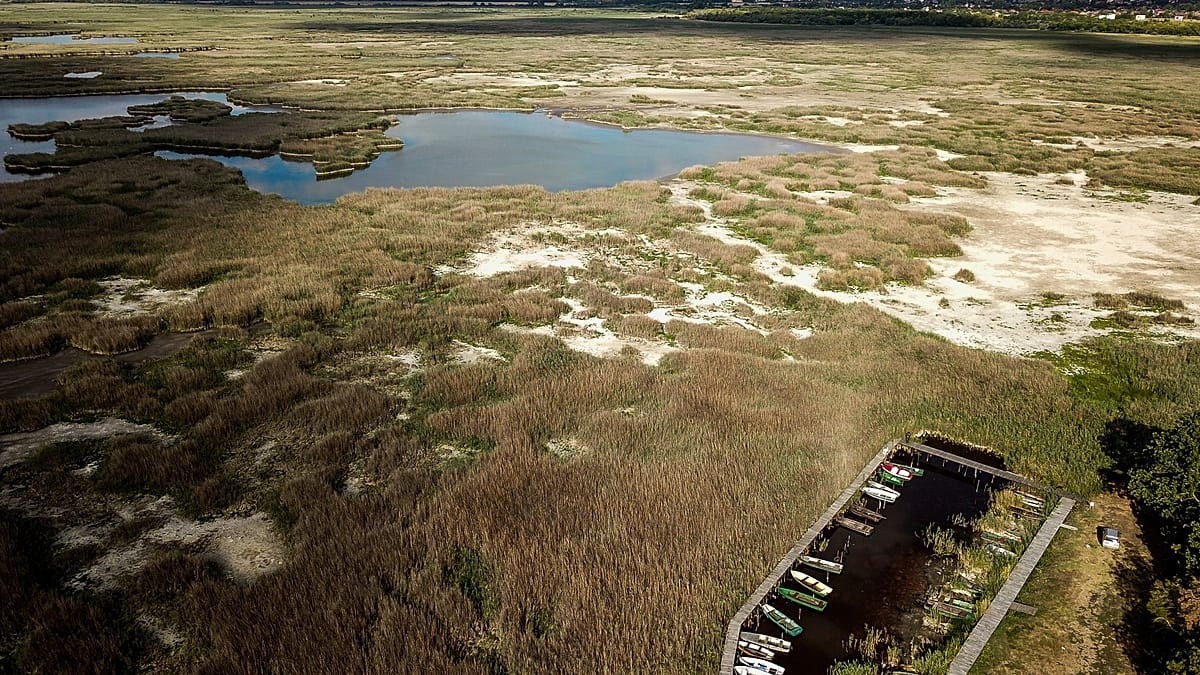
67 French departments are currently in crisis mode and subject to water restrictions. 20 are on high alert. The Danube River is at its lowest level since 1996, affecting agriculture, transportation and energy production in Central and Eastern Europe, including Hungary and Romania. The Netherlands announced a water shortage as early as July, with houseboats stranded on dried-up rivers, while seven Greek islands in the Aegean Sea declared drought emergencies.
Water stress hits 30 percent of Europeans and 20 percent of land annually, according to EU Commission data. In Southern Europe, 30 percent of the population faces permanent water stress, up to 70 percent during peak months.
Intense heatwaves accelerate water evaporation, leading to severe droughts. This summer, record temperatures have pushed 38 percent of the land into drought by mid-July, up from 15 percent in January, according to WISE Freshwater’s latest data.
Water scarcity also comes from decades of over-extraction to meet growing demand. Europe loses 23 percent of its treated water to infrastructure leaks, while poor ecological conditions further diminish available water resources.
The EU launched the Water Resilience Strategy in 2025. It includes more than 50 concrete actions to make the EU water-resilient through a water-smart economy and the protection of the water cycle, while ensuring clean and affordable water across the bloc.
Do you want to know more about how the EU’s tackles water scarcity? Ask the Euronews AI chatbot!
Read the full article here