




Published on •Updated
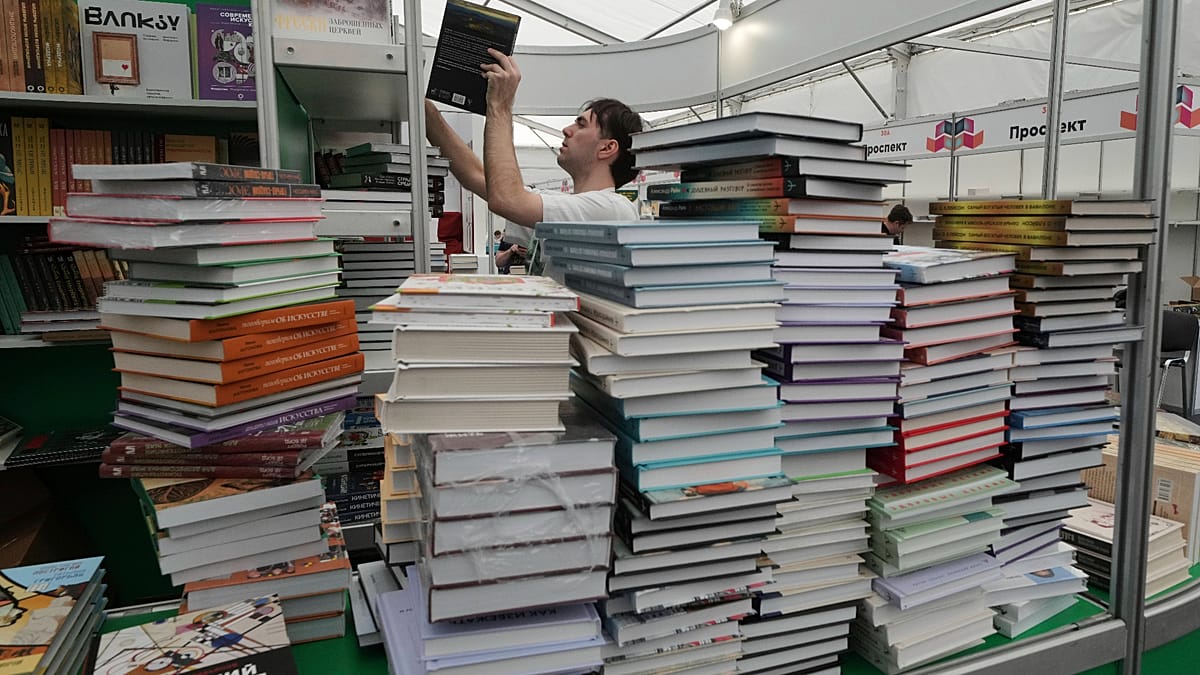
Latvia has banned the import of books, newspapers and other printed materials from Russia and Belarus, citing “disinformation and war propaganda,” its foreign ministry told AFP on Monday — a move with implications for how EU and NATO members handle information warfare from Moscow.
ADVERTISEMENT

ADVERTISEMENT
“The import ban is intended to protect Latvia’s security interests and further reduce economic ties with Russia and Belarus, which continue to wage and support (the) war of aggression against Ukraine,” the ministry said.
Latvia, a NATO and EU member bordering both Russia and Belarus, has positioned itself firmly behind Kyiv since the 2022 invasion. Riga says it has faced sustained “hybrid attacks” from Moscow since the war began — a term covering cyberattacks, drone incursions and disinformation campaigns — and has invested heavily in security, believing it could become one of the Kremlin’s next targets.
The country also has a significant Russian-speaking population, with around a quarter of Latvians identifying as ethnic Russian, according to official statistics.
The ban, in effect since 1 September, is the first of its kind imposed on Russian consumer goods anywhere in Europe. It also covers other goods including clothing, toys and sports equipment. Latvia’s government said the aim was “strengthening the resilience of society and reducing vulnerabilities in the information space.”
Overall imports from Russia and Belarus have fallen roughly 91% since the war began, the foreign ministry said — but books and printed materials remained one of the largest consumer import categories still flowing from Russia, as the ministry put it, having “constituted one of the largest remaining consumer goods import categories from Russia.”
Latvia has already scrapped VAT incentives for Russian-language publishing domestically and moved to reduce Russian-language instruction in schools, citing the need to counter Kremlin interference and better integrate Russian-speaking residents.
The move comes against a backdrop of rising friction between Moscow and the Baltic states. In May, Russia signalled plans to take Latvia, Lithuania and Estonia to the International Court of Justice over alleged rights violations against Russian speakers — claims the three countries reject, instead accusing Moscow of exploiting an ethnic Russian minority that grew substantially during decades of Soviet occupation to stoke regional tensions.
Additional sources • AFP
Read the full article here