


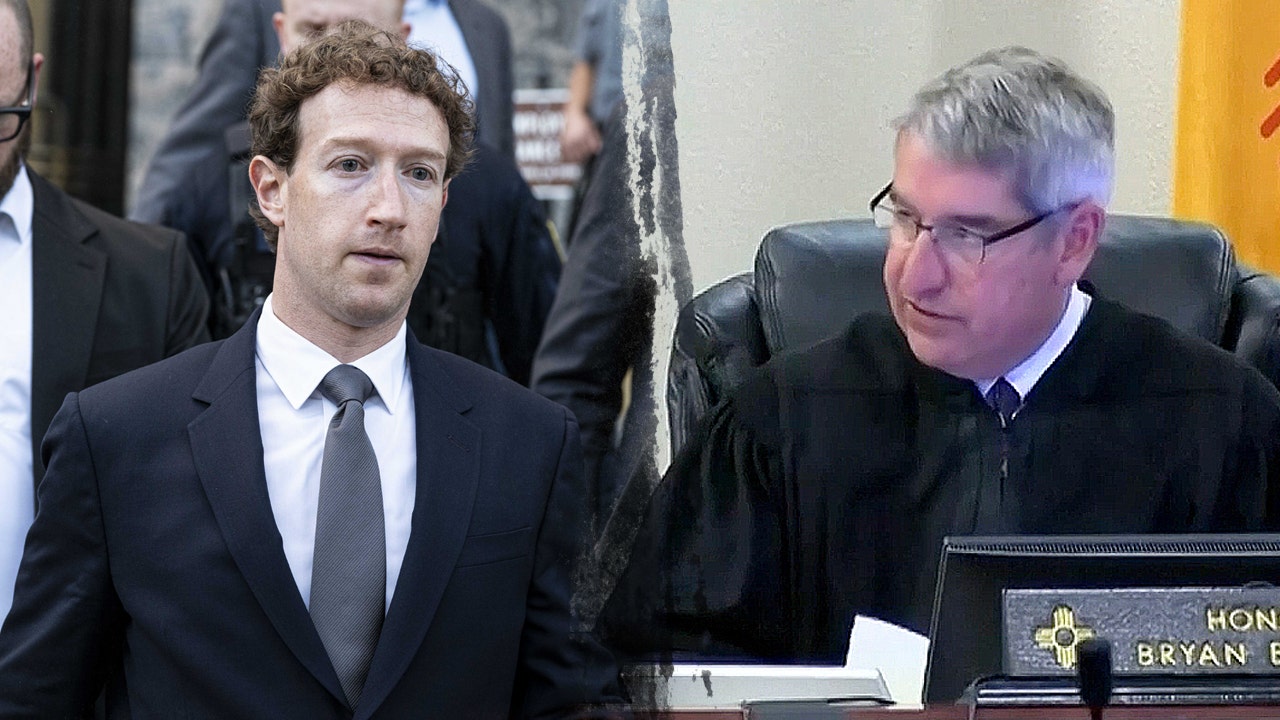
A New Mexico court on Thursday ordered Meta to pay $567 million and implement sweeping protections for teen users after finding Facebook and Instagram contributed to the state’s youth mental health crisis.
The judgment comes after a jury in March ordered Meta to pay $375 million for violating the state’s Unfair Practices Act, bringing the company’s total liability in the case to nearly $942 million.
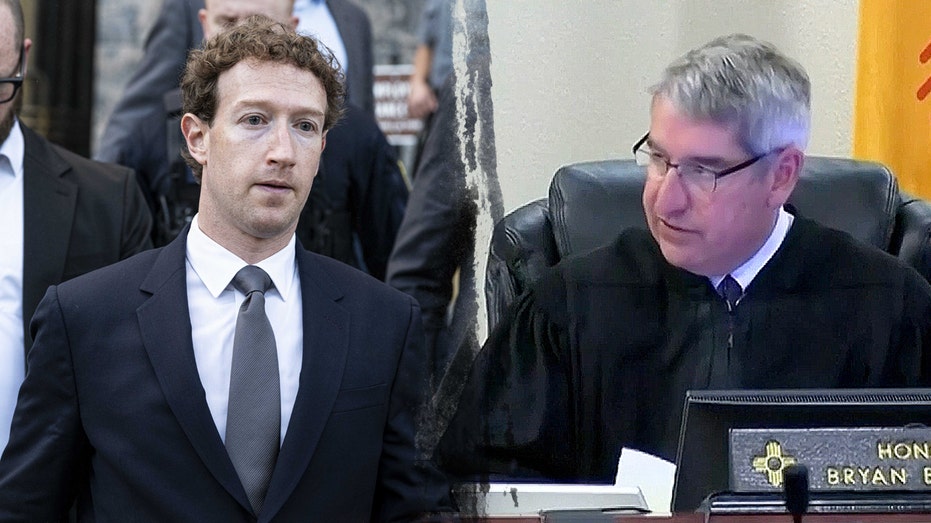
Judge Bryan Biedscheid found Meta had created a public nuisance in New Mexico and ordered the company to implement a series of youth-safety measures over the next five years.
The requirements include monthly limits on teens’ use of Facebook and Instagram, restrictions on notifications, tighter controls on adults contacting minors, safeguards for AI chatbots and enhanced reviews of child sexual abuse reports.
META ORDERED TO PAY $375M AFTER JURY FINDS PLATFORM ENABLED CHILD PREDATORS IN LANDMARK NEW MEXICO CASE
In a statement to FOX Business, Meta said it disagreed with the ruling and vowed to appeal.
“We work hard to keep people safe on our platforms and have been transparent about the challenges of identifying and removing bad actors and harmful content,” a Meta spokesperson said.
“We remain confident in our record of protecting teens online and will continue to defend ourselves against claims that misrepresent the facts,” the spokesperson added.
The court sided with New Mexico Attorney General Raúl Torrez, a Democrat, who accused Meta of designing products that addict young users and failing to adequately protect children from sexual exploitation on its platforms.
ZUCKERBERG SAYS AI SHOULD EMPOWER PEOPLE, NOT REPLACE THEM, IN NEW META VISION
Torrez said the $567 million will fund New Mexico’s abatement plan and comes on top of the $375 million in civil penalties awarded in March.
“For years, Meta knew its platforms were harming New Mexico’s kids, from feeding a youth mental health crisis to connecting predators with children, and it chose engagement and profit over their safety,” Torrez said in a statement.
| Ticker | Security | Last | Change | Change % |
|---|---|---|---|---|
| META | META PLATFORMS INC. | 589.90 | +1.13 | +0.19% |
“Today, Meta is paying for that choice,” he continued. “This judgment holds the company accountable for the damage it caused to our children, our families, and our schools, and it forces real changes to how Meta operates in New Mexico.”
Torrez called the ruling a “blueprint” for other states seeking to pursue similar litigation against social media companies.
TIKTOK SAYS MODERATOR ERROR DELAYED REMOVAL OF PEREZ HILTON’S LIVESTREAM SHOWING ACTS OF SELF-HARM
“For the first time, a court has ruled that a social media giant can be held liable for building products that endanger children and has ordered the structural changes needed to fix it,” he said. “New Mexico led the way in the courtroom. Now other states, and other countries confronting the same crisis, have a roadmap they can follow.”
More than 40 states and over 1,300 school districts have already filed public nuisance lawsuits against social media companies, seeking damages and court orders requiring changes to their products and practices.
The ruling followed three weeks of testimony in the second trial stemming from the lawsuit. Unlike the first trial, the proceeding did not involve a jury and focused on whether Meta’s platforms constituted a “public nuisance” under New Mexico law.
MOST AMERICANS STILL TRUST FINANCIAL ADVISORS OVER AI TOOLS FOR MAJOR MONEY DECISIONS, STUDY FINDS
Biedscheid compared the alleged harms caused by Meta’s platforms to pollution escaping from a factory.
“(J)ust as noxious pollution produced by the factory can harm the common public right to reasonably clean air, the harmful effects of Meta’s platforms on children do not stay contained by its platforms,” Biedscheid wrote in his ruling.
The judge said those effects extend into the real world and create broader burdens for children, families, schools, hospitals and law enforcement.
New Mexico filed the lawsuit in 2023, alleging Meta had created a “breeding ground” for child predators and misled users about safety protections on Facebook, Instagram and WhatsApp.
FOX Business’ Jasmine Baehr and Reuters contributed to this report.
Read the full article here