





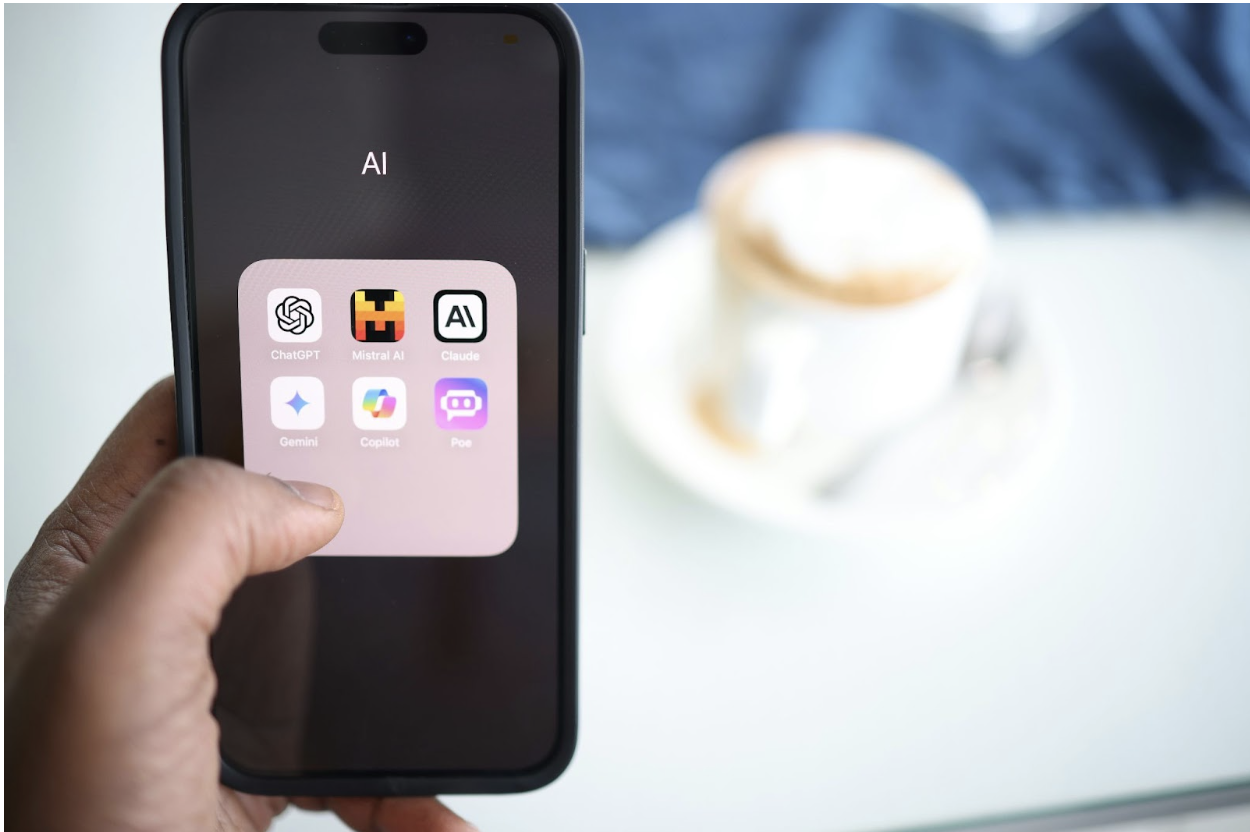
A new nationwide survey commissioned by ICANotes, a provider of behavioural health electronic health record systems, indicates that many mental health clinicians in the United States believe increasing use of artificial intelligence tools for emotional support may be delaying patients from seeking professional treatment.
The survey, conducted in February 2026 with 174 licensed U.S.-based mental health clinicians, found that 61.07% believe patient use of AI emotional-support tools often (18.12%) or sometimes (42.95%) contributes to delays in obtaining appropriate licensed mental health care.
The findings come amid ongoing challenges surrounding access to mental health services. According to the 2024 National Survey on Drug Use and Health, nearly half (47.9%) of adults in the United States living with a mental illness did not receive any form of mental health treatment during the previous year.
Concern among clinicians regarding AI-driven emotional-support tools appears significant. Participants rated their average level of concern at 3.58 out of 4. In addition, 44.83% reported awareness that clients in their caseload are using AI-based platforms, including chatbots, mobile apps, or virtual assistants, to seek emotional or mental health support either before beginning therapy or alongside it.
Disclosure of AI use by patients appears inconsistent. Over the past 12 months, 9.83% of clinicians reported that patients regularly inform them about using AI tools for emotional support. Another 28.90% reported occasional disclosure, while 20.81% said patients rarely mention such use. Meanwhile, 40.46% indicated that patients do not disclose using AI tools at all.
AI-based emotional-support tools appear to be used most frequently by younger adults. Among clinicians aware of AI use, 55.46% identified patients aged 26 to 40 as the most common users. This was followed by patients aged 18 to 25 at 42.86%. Usage was also reported among individuals aged 41 to 60 (32.77%), those under 18 (19.33%), and adults aged 61 or older (5.88%).
Clinicians reported that round-the-clock availability is the primary reason patients turn to AI tools, cited by 64.24% of respondents. Other reasons include affordability (37.75%), feeling less intimidated than speaking directly with a clinician (31.13%), easier access compared with arranging therapy appointments (30.46%), quicker responses (29.14%), greater anonymity (27.81%), difficulty finding a provider (25.17%), insurance limitations (15.89%), and negative previous therapy experiences (9.27%).
Emily Mendenhall, Professor and Medical Anthropologist at Georgetown University, said the findings reflect broader structural challenges within the U.S. mental health system.
“Mental health care in the United States is only getting more difficult to access,” she said. “Because of structural barriers and rapid shifts in AI, the low-cost immediate strategy of AI as therapist may seem like a replacement for people who are struggling and cannot access the care they need.”
Dr. October Boyles, DNP, MSN, BSN, RN, behavioural health expert and clinical consultant at ICANotes, highlighted that AI technologies should not replace professional mental health evaluation.
“When individuals delay seeking professional care, especially for moderate to severe symptoms, opportunities for early intervention can be missed,” said Dr. Boyles. “Technology can support clinicians and patients, but it must be implemented thoughtfully, with patient safety and evidence-based practice at the forefront.”
The survey was carried out in February 2026 and included responses from 174 licensed mental health clinicians across the United States.