


NEWYou can now listen to Fox News articles!
The Trump administration will keep its military buildup in the Middle East in place despite signing a new agreement with Iran, underscoring Washington’s continued distrust of Iran as the two sides enter a 60-day negotiating period.
“The plan is to keep the current force posture during the 60-day negotiations,” a senior U.S. official told reporters on a call Monday. “We hope to draw them down, but we’re not doing that yet.”
“The agreement contemplates the reduction of military forces in the region upon the agreement of a final deal,” the official added.
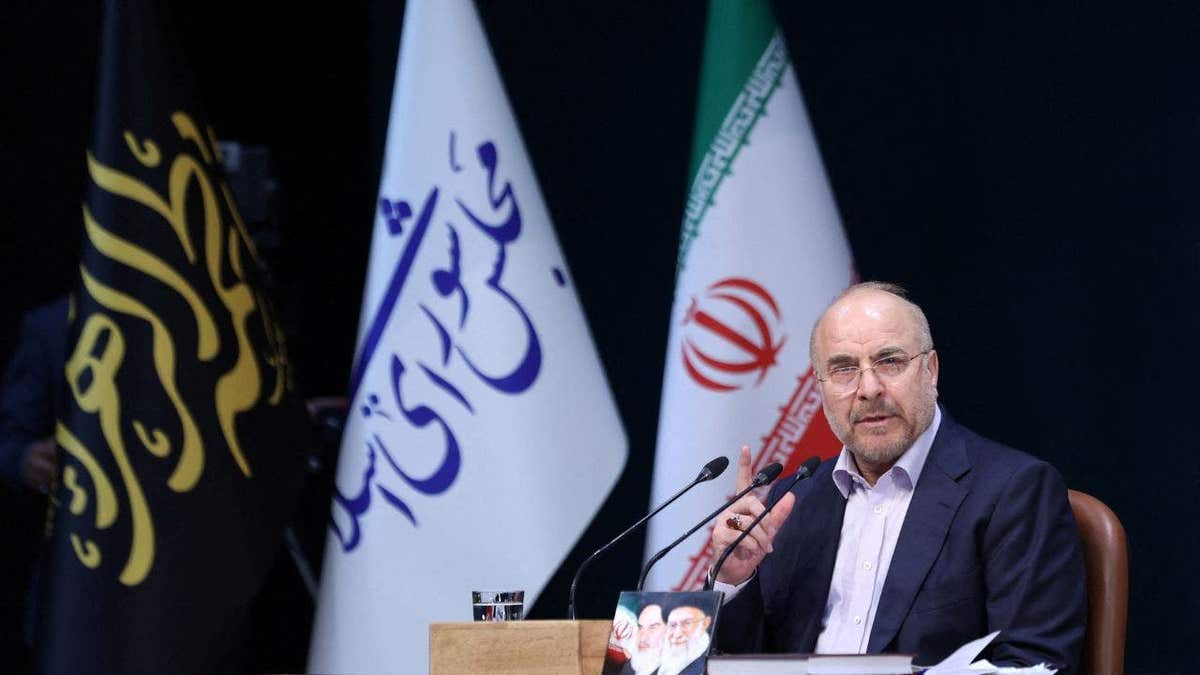
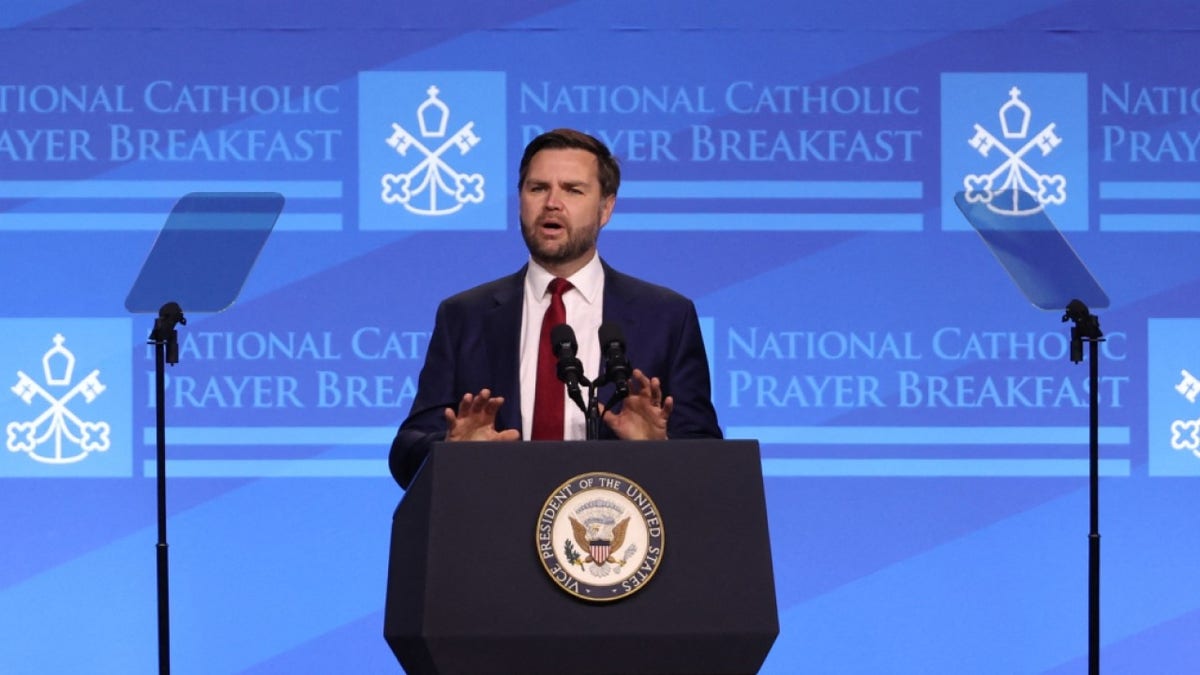
Officials said President Donald Trump, Vice President JD Vance and Iranian Parliament Speaker Mohammad Bagher Ghalibaf already have signed the memorandum, and that the details of the agreement will be released publicly within the next 24 to 48 hours. A formal signing ceremony is expected later in the week.
BUILT FOR WEEKS OF WAR: INSIDE THE FIREPOWER THE US HAS POSITIONED IN THE MIDDLE EAST
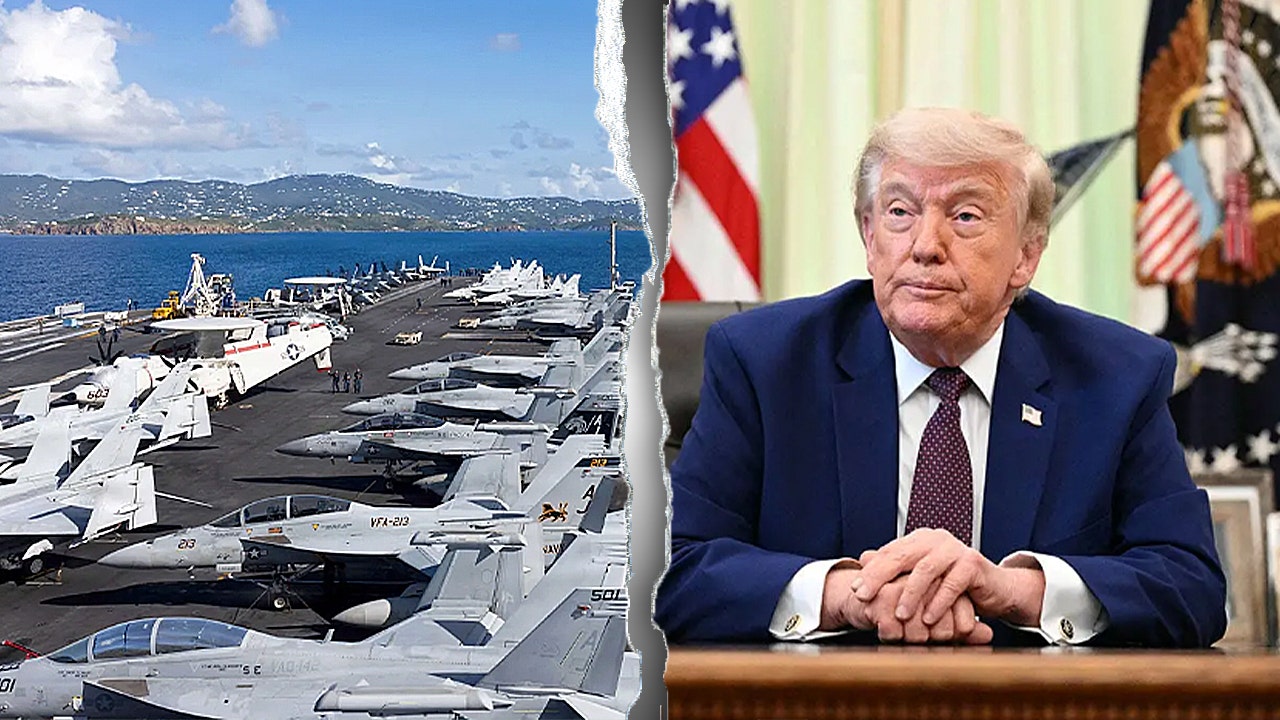
The decision means the Pentagon will maintain a military posture that recently included roughly 50,000 troops deployed across the Middle East, one of the largest U.S. force concentrations in the region in more than two decades. Publicly available fleet tracking data indicate at least two carrier strike groups remain in the U.S. Central Command area of responsibility.
Officials repeatedly stressed that any sanctions relief, asset releases or future concessions would be tied to verification and Iranian performance, not promises alone, with one senior official acknowledging the two sides remain in the early stages of “building trust.”
That lack of trust was evident in the administration’s description of the agreement, which differs in key respects from accounts published by Iranian officials and state-linked media.
VANCE SAYS TRUMP ADMINISTRATION’S KEY OBJECTIVES HAVE BEEN REACHED IN US-IRAN DEAL
White House officials insisted Monday that no frozen Iranian assets have been released and said any sanctions relief would be conditioned on Iranian performance during the upcoming negotiations.
“The very simple fact is, $0 of unfrozen assets have been released by the United States or any other country,” one official said.
Iranian officials and state-linked media, meanwhile, have described the framework as paving the way for the release of roughly $24 billion in frozen Iranian funds and broader economic relief during the negotiation period.
White House officials disputed reports that any funds have already been released and repeatedly emphasized that future economic concessions would be earned through compliance rather than granted upfront.
IRAN’S REGIME SPINS NUCLEAR AND STRAIT OF HORMUZ DEAL WITH TRUMP AS VICTORY OVER US, ISRAEL
“We’ll do some small gestures of that in the beginning, if they make some small gestures to us,” an official said.
While Trump has portrayed the agreement as a potential turning point in U.S.–Iran relations, the memorandum itself is narrower in scope. The framework extends the ceasefire, establishes a 60-day negotiating window and seeks to reopen the Strait of Hormuz, the strategic waterway through which roughly one-fifth of the world’s oil and liquefied natural gas shipments normally pass.
The reopening of the Strait may prove to be the agreement’s most immediate and economically significant effect. White House officials said the memorandum provides for the opening of the waterway and the lifting of the naval blockade, though they cautioned that commercial shipping could take days or weeks to return to normal levels as mines are cleared and shipping companies regain confidence in the route.
Officials also said the agreement requires the Strait to remain open toll-free during the 60-day negotiating period. The administration expects shipping traffic to increase significantly over the coming days, easing pressure on global energy markets.
The deal, officials said, creates a framework under which Iran could eventually receive sanctions relief and broader access to the global economy in exchange for verifiable steps to ensure it does not rebuild its nuclear program and curbs support for terrorism and regional instability.
CLICK HERE TO DOWNLOAD THE FOX NEWS APP
“If they’re willing to behave like a normal country, then we’re willing to treat them like a normal country,” one official said.
The prospect of renewed traffic through the Strait has already reverberated through global markets. Oil prices fell following news of the agreement as traders bet that one of the world’s most important energy choke points could soon return to normal operations.
Read the full article here