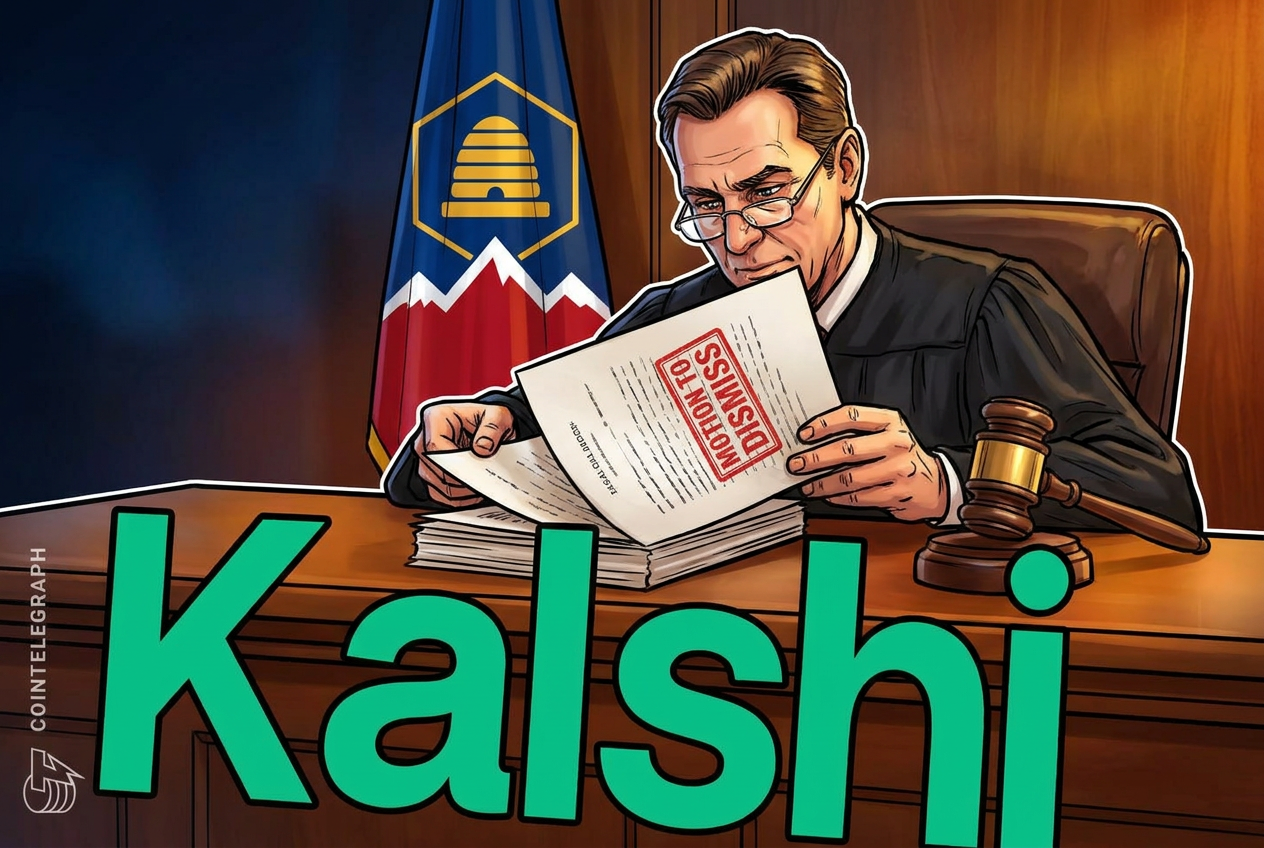




Utah’s attorney general has moved to dismiss 14 criminal charges against prediction market platform Kalshi and its two co-founders after the company blocked users in the state from accessing its services.
The attorney general’s office said it filed a motion Monday to dismiss the case without prejudice in Utah’s Third District Court, allowing prosecutors to refile the charges if Kalshi resumes operations in the state.
The office opened a criminal investigation into Kalshi in September and filed charges on Oct. 28, alleging that the company offered illegal gambling to Utah residents. Kalshi subsequently agreed to block access to its platform in the state and monitor attempts to reach its services from Utah-based IP addresses.
“Kalshi has pulled out of Utah, and if it returns, so will the charges,” Attorney General Derek Brown said, adding that his office would continue to enforce state gambling laws against other prediction market operators.
The office also sent cease-and-desist letters to several of Kalshi’s competitors, with six other prediction market companies agreeing to stop operating in Utah.
Kalshi General Counsel Yaakov Roth said in a Tuesday post on X that “good faith jurisdictional disagreements should never be criminalized,” adding that the company was willing to work with state attorneys general while courts resolve the regulatory dispute.
Source: Yaakov Roth
The case is separate from a civil lawsuit Utah brought against Kalshi and its market-making partner Susquehanna International Group on Oct. 20, seeking restitution, damages and the recovery of proceeds from allegedly illegal gambling activities. The complaint estimates that Kalshi collected between $30.6 million and $61.2 million in fees from Utah-based accounts as of Oct. 19.
The US Commodity Futures Trading Commission (CFTC) announced its own lawsuit against Utah on Oct. 27, seeking to block the state from enforcing its gambling laws against federally regulated prediction markets. The lawsuit is part of a broader legal battle over the regulation of prediction markets, with the CFTC asserting exclusive jurisdiction over event contracts. The federal regulator has sued at least 12 states over the issue.
Magazine: How to preserve wealth and access funds during a national emergency
Read the full article here