

Published on
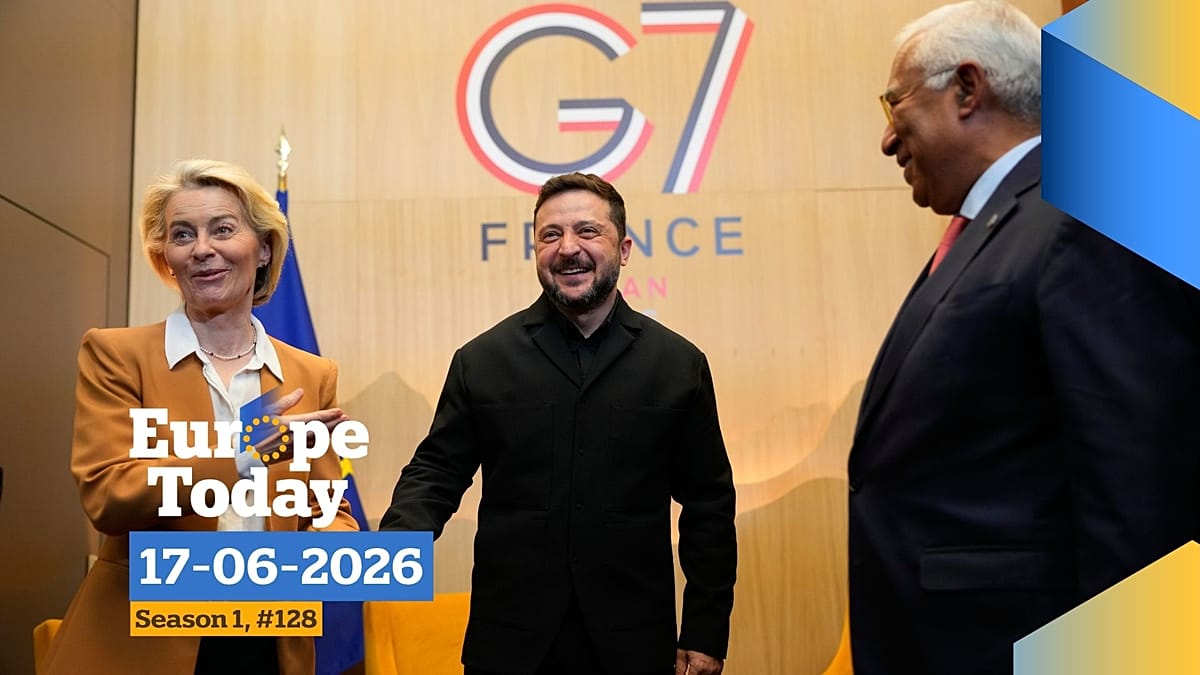
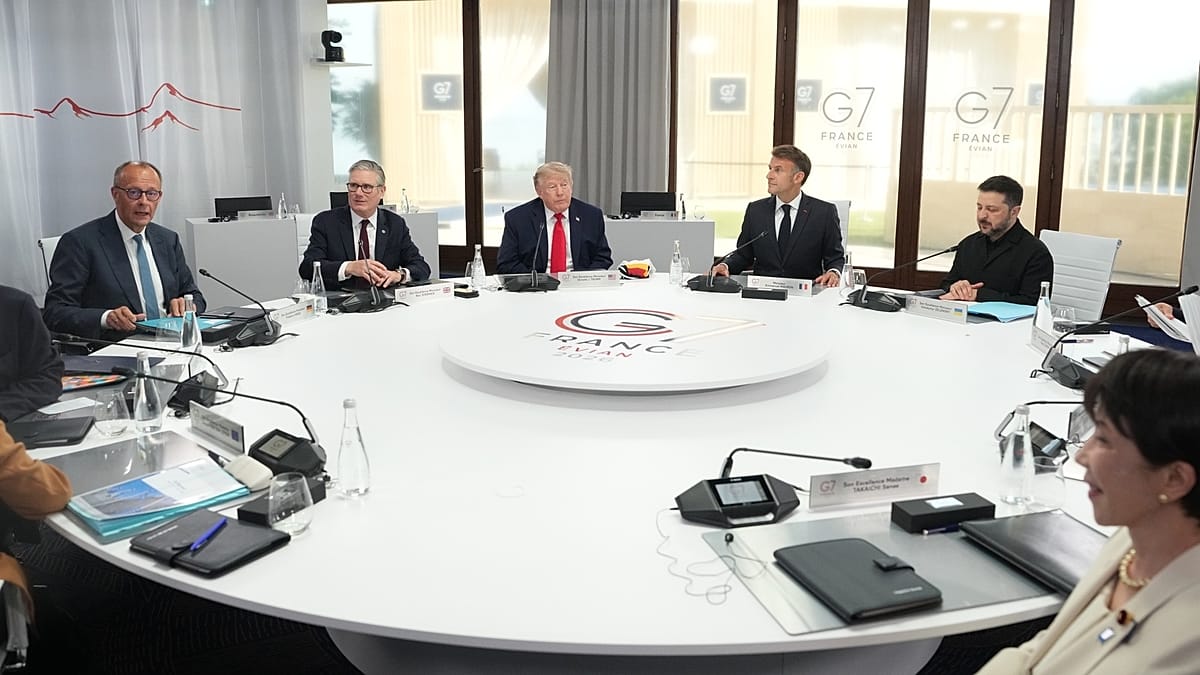
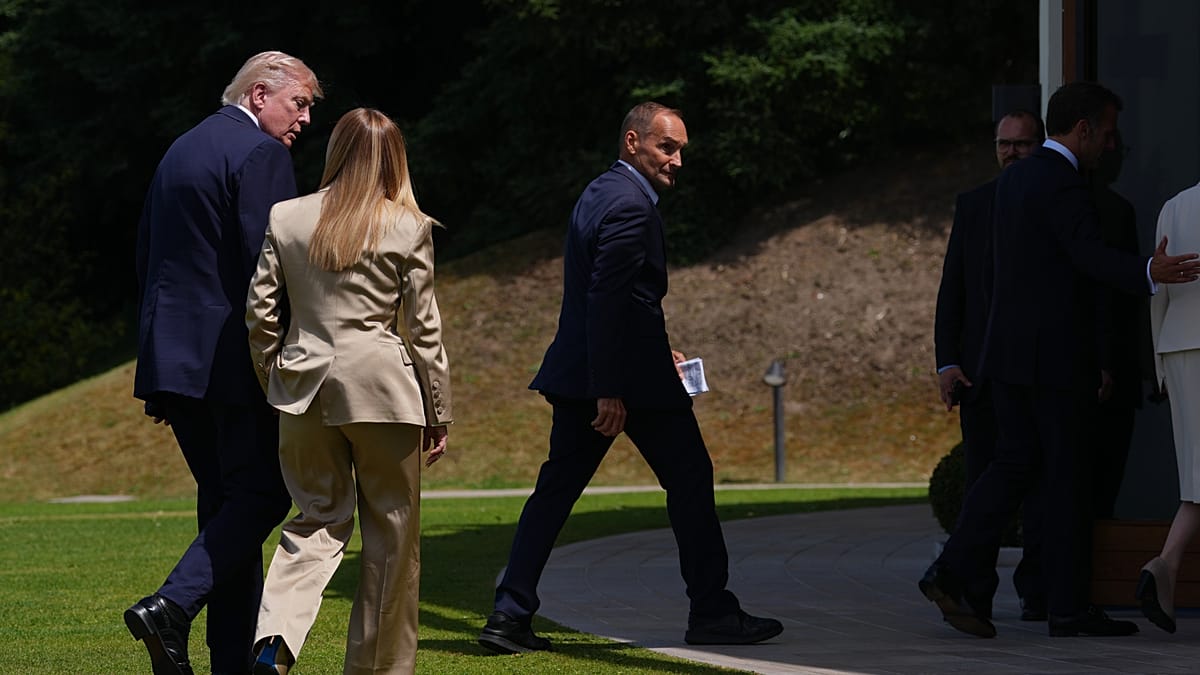
US President Donald Trump and Italian Prime Minister Giorgia Meloni struck a conciliatory tone on the margins of the G7 in Evian on Tuesday, after weeks of public sparring had strained relations between the two leaders.
ADVERTISEMENT

ADVERTISEMENT
“You’re friends again,” European Council President António Costa was overheard joking to Trump and Meloni as they gathered on the sidelines of the summit with German Chancellor Friedrich Merz.
“We have always been friends,” Meloni replied.
“I was abandoned,” Trump retorted.
“No, you were not,” she said with a smile.
The exchange offered a glimpse of a relationship that has come under strain in recent weeks.
In April, Trump told the Italian daily Corriere della Sera that he was “shocked” by Meloni, adding: “I thought she had courage, but I was wrong.” The Italian leader shot back, noting that “courage is saying what you think, even when you don’t agree.”
The bickering followed Trump’s attack on Pope Leo XIV over his criticism of the war in Iran, which Meloni branded “unacceptable.”
The Italian prime minister had long been seen as one of Trump’s closest allies in Europe: she was the only European leader invited to his inauguration in January 2025.
But the economic fallout from the US-Israeli war against Iran, which drove up energy prices across Europe and hit Italy particularly hard, increased the domestic political cost of Meloni’s association with Trump.
Israel’s continued operations against Palestinians and in southern Lebanon, tacitly backed by Washington, also proved increasingly unpopular with Italian voters, pushing Rome to shift its tone toward the Israeli government with national elections looming next year.
Tensions between Rome and Washington peaked when Italy refused to let US aircraft bound for the Middle East use its air base at Sigonella, Sicily.
The G7 meeting was the first in-person meeting for Meloni and Trump to clear the air since the public spats began.
Rome is also reportedly preparing to buy more US liquefied natural gas (LNG) and join the multinational mission to secure the Strait of Hormuz, while seeking stronger American support for Ukraine.
Read the full article here