


The European Climate Office Copernicus reports that the average temperature record for the June–July period set in 2022 was overturned by the heatwaves plaguing Western Europe this summer.
ADVERTISEMENT

ADVERTISEMENT
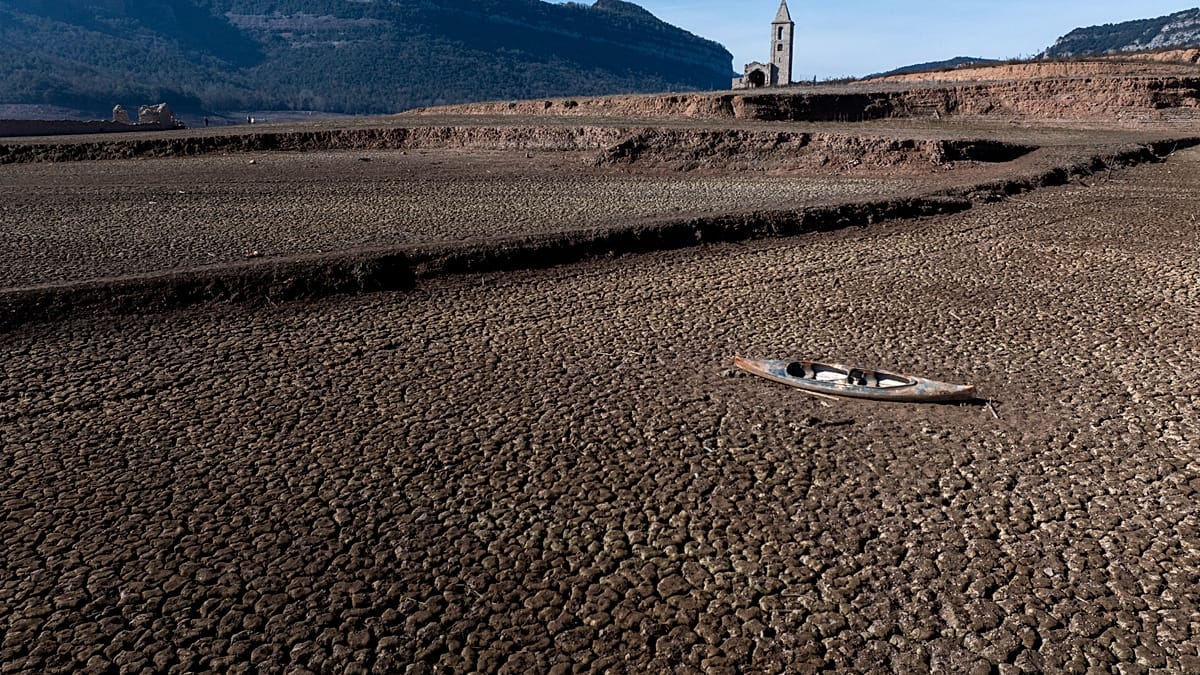
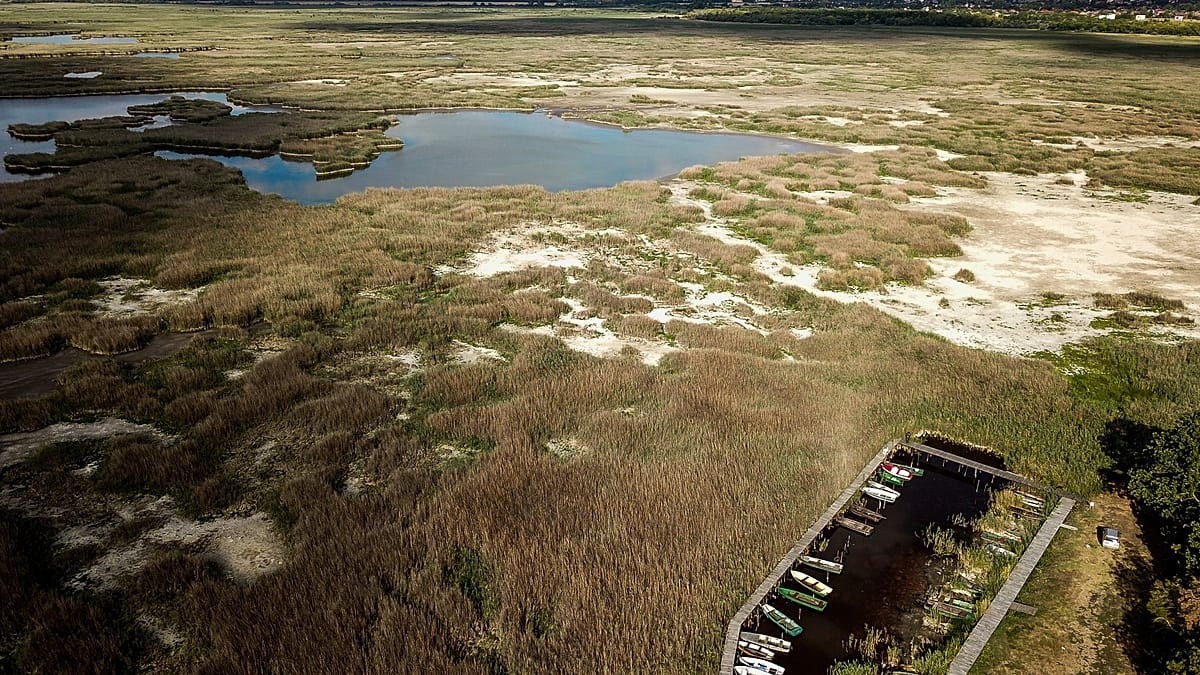
Since it started in May, the intense heat has caused many wildfires, a protracted drought, new national temperature records throughout the region, and thousands of anticipated heat-related deaths.
Globally, so far this is the third-hottest year, behind 2024 and 2025, climate statistics show. But 2026 still has time to catch up.
There is a growing possibility that by year’s end, 2026 will surpass 2024 as the hottest year on record, or at least come close, due to the combined effects of accelerated human-caused global warming and a supersized El Niño, a periodic warming of parts of the Pacific that causes temperature variations worldwide, according to scientists.
Last month saw the highest average sea surface temperature ever recorded for July across the extra-polar oceans, or the oceans free of seasonal sea ice, Copernicus said.
That was partially fueled by developing El Niño conditions in the equatorial Pacific, the service said. The new average record for July is 20.96 degrees Celsius, which beats the 2023 record of 20.89°C.
However, according to Copernicus, this month’s average worldwide surface air temperature was 16.90°C, making it merely the second-warmest July on record and tied with July 2024.
The average temperature record for the June–July period in Western Europe was 21.62°C.
“Persistent high-pressure systems trapped heat over western Europe; the extreme temperatures also amplified widespread drought. As soils dry out, they lose their ability to provide natural cooling, allowing heat to build more readily,” said Samantha Burgess, strategic lead for climate at the European Centre for Medium-Range Weather Forecasts.
“This is a clear example of how climate change is intensifying heat extremes, with heat and drought increasingly reinforcing one another.”
Wildfire burning near Tirana under control
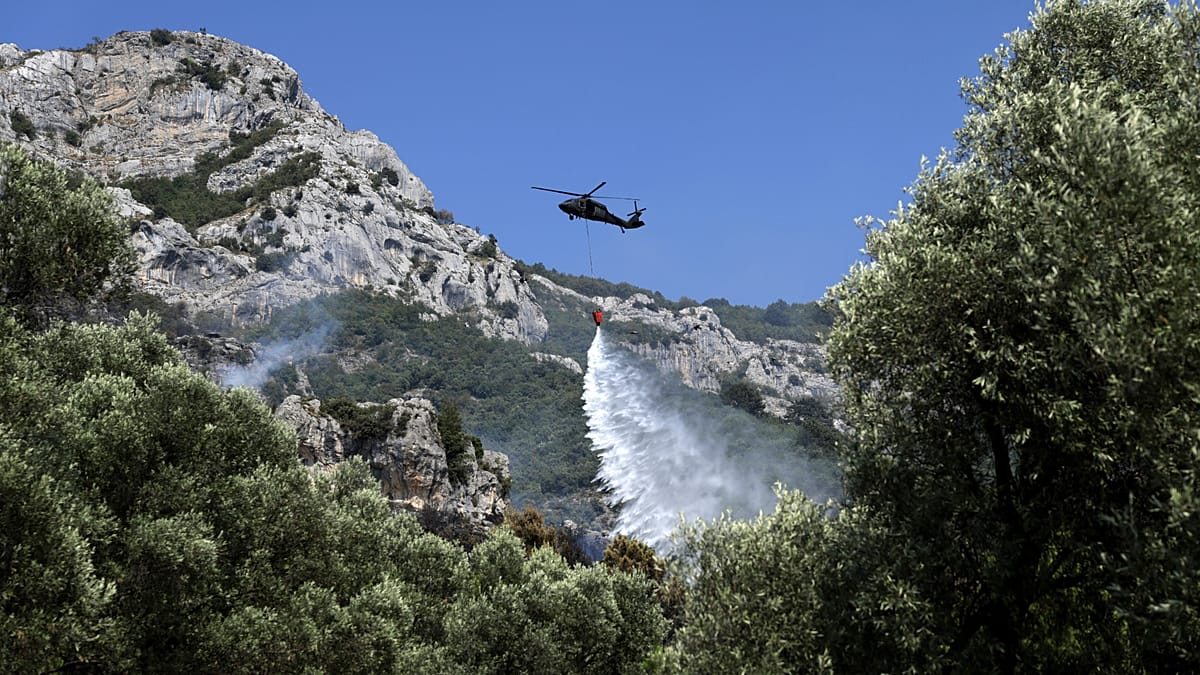
Firefighters, helicopters, and the military worked through Sunday to contain a large wildfire burning on Mount Kruje as authorities evacuated residents from several villages and arrested a man suspected of accidentally sparking the blaze.
Three military helicopters have been assisting ground crews in efforts to bring the blaze under control, with firefighting operations continuing both on the ground and from the air as steep terrain has made access difficult.
Residents from the Barabit-Lluban area in the municipality of Kruje were evacuated overnight after the fire spread toward populated areas.
Police said they arrested a man suspected of causing the wildfire after allegedly setting fire to dry grass near his home on Saturday.
According to police, the flames spread out of control because of strong winds and reached Mount Kruje, threatening nearby communities.
The wildfire, about 38 kilometers north of the capital, Tirana, had been burning since Saturday afternoon.
Fire in Andalusian province continues to spread
Authorities in the southern Andalusian province of Huelva, halfway between Seville and the Portuguese border, on Sunday prompted the evacuation of some 470 locals over a fire that broke out and continues to spread, reaching nearly 4,000 hectares with shifting winds.
“The fire remains complex. We still have work to do and a tough day ahead, involving a great deal of intervention, but today we are somewhat more optimistic,” said the Andalucia region’s minister for emergencies, Antonio Sanz.
More than 500 firefighters, including 60 members of the Military Emergency Unit, aided by around 20 waterbombing planes, are battling the flames against volatile winds.
Spain is enduring a tough summer for wildfires, with various blazes having forced the evacuation of thousands of people, especially in the centre of the country.
Read the full article here