






California voters will decide in November whether to impose a one-time 5% tax on billionaires under a ballot measure supporters say could raise about $100 billion to help offset federal Medicaid funding cuts, despite opposition from Gov. Gavin Newsom and other state leaders.
The proposal would apply to California residents whose net worth exceeded $1 billion as of Jan. 1, 2026. Under the initiative, roughly 90% of the revenue would be directed toward health care programs, with the remaining 10% earmarked for education and food assistance.
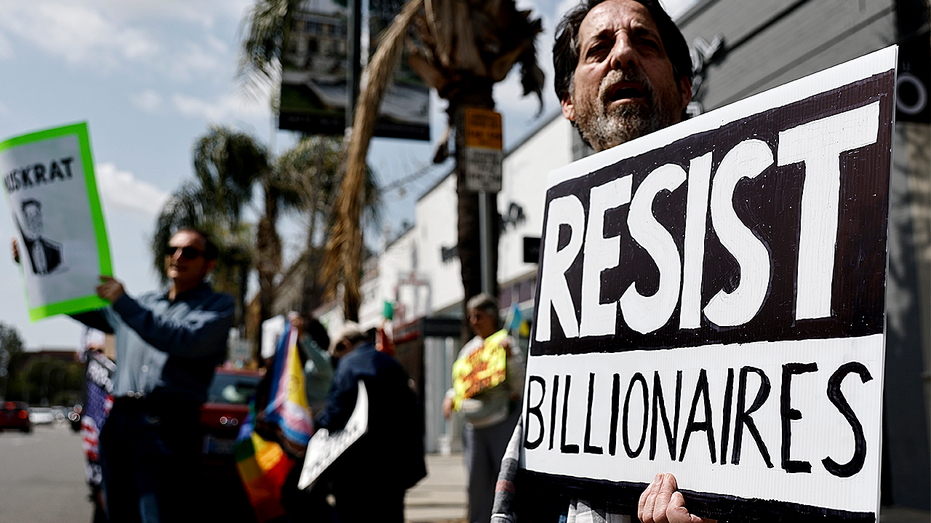
Supporters of the measure, which they have branded the “Billionaire Tax,” celebrated this week after qualifying for the November ballot, arguing the proposal would help keep hospitals and emergency rooms open as California grapples with reductions in federal health care funding.
COCA-COLA TAKES ITS FIGHT WITH THE IRS TO FEDERAL APPEALS COURT WITH $20B ON THE LINE
Newsom, however, has argued the proposal is a short-term solution to a long-term budget challenge that could drive wealthy taxpayers out of the state and further destabilize California’s tax base. Democratic gubernatorial candidate Xavier Becerra and Republican candidate Steve Hilton have also voiced opposition.
A coalition of health care, education and housing organizations likewise warned the proposal could make California’s finances more volatile by encouraging high-income residents to leave.
The nonpartisan Legislative Analyst’s Office estimates the measure would generate tens of billions of dollars during its first few years, though it projects California’s personal income tax collections would later decline by hundreds of millions of dollars annually as taxpayers adjust their behavior.
California already relies heavily on its highest earners, with the state’s top 1% of taxpayers accounting for nearly half of all personal income tax revenue.
COCA-COLA TAKES ITS FIGHT WITH THE IRS TO FEDERAL APPEALS COURT WITH $20B ON THE LINE
The initiative includes several provisions designed to address concerns over how billionaires would pay the tax. Eligible taxpayers could elect to pay the liability over five annual installments, while certain individuals with largely illiquid assets could qualify for a deferral mechanism established under the proposal. The measure also contains anti-avoidance provisions intended to prevent taxpayers from shifting assets or restructuring ownership to reduce their tax liability.

Opponents argue many Silicon Valley billionaires have already relocated assets or threatened to leave California to avoid future tax increases.
CLICK HERE TO GET FOX BUSINESS ON THE GO
The labor union backing the proposal, Service Employees International Union-United Healthcare Workers West, previously offered to reduce the tax rate to 2% in an effort to win Newsom’s support. According to CBS News, the governor’s office said the lower rate did not change his opposition.
Read the full article here