

Published on
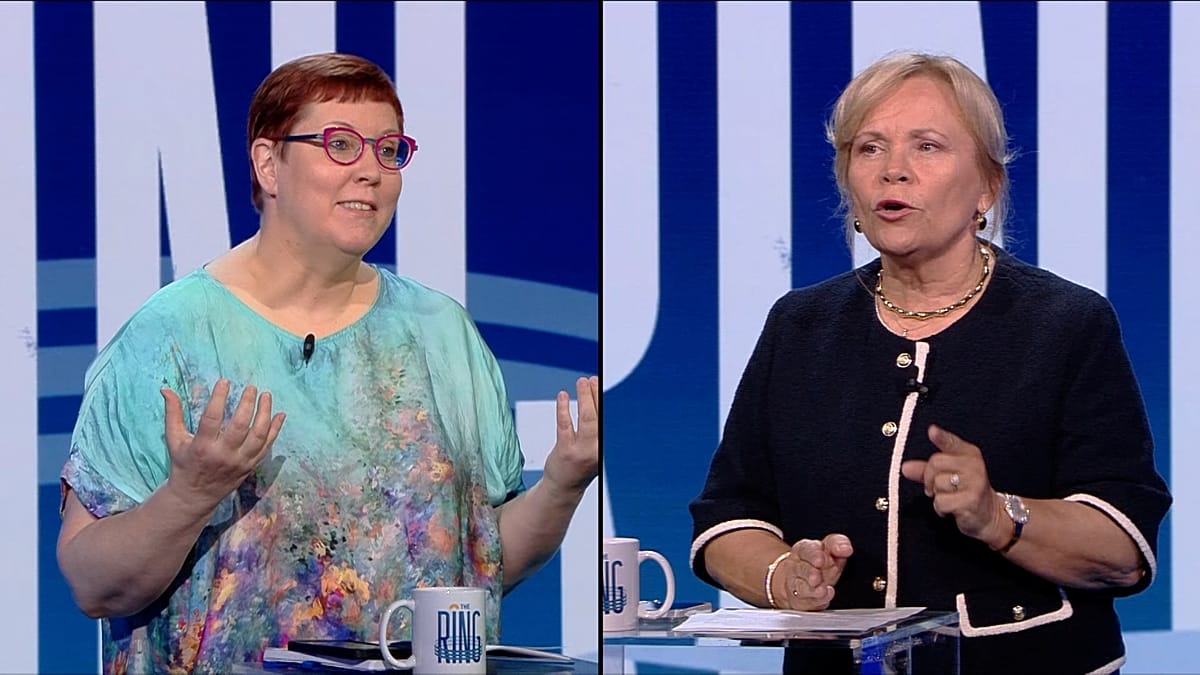
In this edition of The Ring, two lawmakers from two Nordic countries that are usually seen as in Moscow’s crosshairs discuss the latest from the war in Ukraine.
ADVERTISEMENT

ADVERTISEMENT
Rasa Juknevičienė from the European People’s Party (EPP) from Lithuania and Merja Kyllönen from The Left Group from Finland join us on the set of the European Parliament in Brussels.
As the war in Ukraine grinds into its fifth summer, a peaceful solution remains as elusive as ever.
The same can be said about a clear European strategy. Nowhere is this more evident than in the European response to the ongoing violations of EU airspace by Russian drones.
The latest incident in Romania last week yielded strong condemnation but nothing more. This is frustrating especially the Baltic republics who fear to be Russian targets crosshairs next.
Is Europe just eager to avoid a more serious confrontation with Moscow?
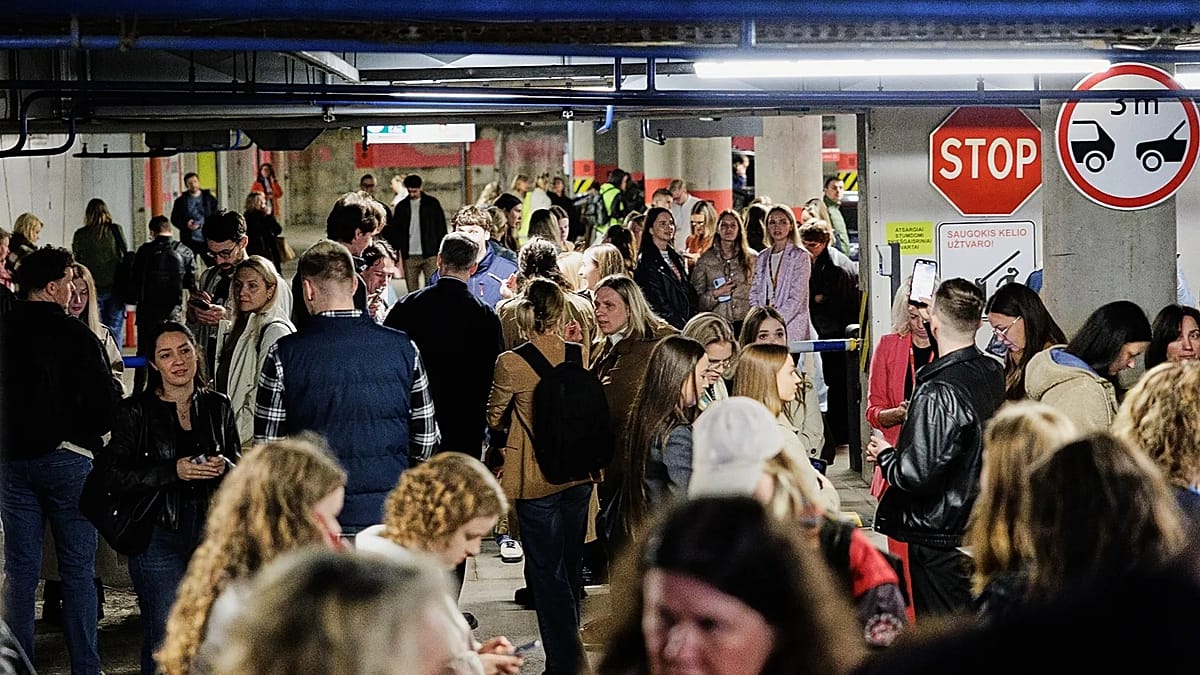
The recent Romanian incident exposed another weakness: protecting civilians. Governments along the eastern flank are reviewing emergency warning systems, shelter infrastructure, and public-alert procedures after drones and debris repeatedly landed in border regions.
Europe’s biggest challenge is political rather than technical. Most incursions appear to be spillover from Russian attacks on Ukraine rather than deliberate attacks on NATO members. As a result, NATO has avoided treating them as grounds for collective military retaliation.
But it seems that this is ending. The debate in Brussels is increasingly about how to deter repeated incursions without triggering a direct confrontation with Russia.
Juknevičienė and Kyllönen spoke out in favour of the necessity to detect, track and intercept drones and strengthen the defense at Europe’s eastern flank.
And what about a negotiated peace agreement with Russia? Can Europe be a neutral mediator as the bloc remains Ukraine’s strongest political and economic backer?
This is a conversation that will likely occupy European policymakers for some time to come.
The Ring is hosted by Stefan Grobe, produced by Luis Albertos Altarejos and Amaia Echevarria, and edited by Vassilis Glynos.
You can contact us at: [email protected]
Read the full article here